Storm-Ready Estate Maintenance for New England: Prep, Triage, Recovery
Storm-Ready Estates for New England’s Wild Weather
New England weather moves fast. One day you are enjoying a calm evening on the terrace, the next day the sky turns slate gray, the air tastes like salt, and the wind starts to push against stone walls and specimen trees. On a refined estate, that shift can threaten years of careful landscape maintenance in a single long night.
High winds, salt spray, snow-load, and poor drainage do not just make a mess. They can crack premium stonework, topple prized trees, flood drive courts, and scar masterpiece gardens. At J. Rodman Home Improvement and Landscape, ranked top 3 in Hartford County, we treat storm-readiness as part of true estate curation, not an afterthought.
Our four-step process: consultations, meetings, proposals, and execution, is designed to keep high-end outdoor spaces resilient, beautiful, and ready for whatever the forecast brings. This storm-ready playbook walks through how to think about your property before a storm, during the event, and after, then shifts into winter and snow-load strategy so your estate stays graceful all year.
Pre-Storm Strategy for High-Value Estates
Before the weather turns, smart planning protects both architecture and gardens.
Your hardscapes are architectural armor around your home. Patios, retaining walls, outdoor kitchens, and grand entry courts frame how you live outdoors, but loose joints and poor grading can turn them into weak spots in a storm.
Key pre-storm hardscape checks include:
- Check steps, seat walls, and coping for looseness or rocking
- Confirm drainage channels, trench drains, and catch basins are open
- Contain decorative gravel and mulch in high-wind areas
- Look for low spots on patios where water already collects
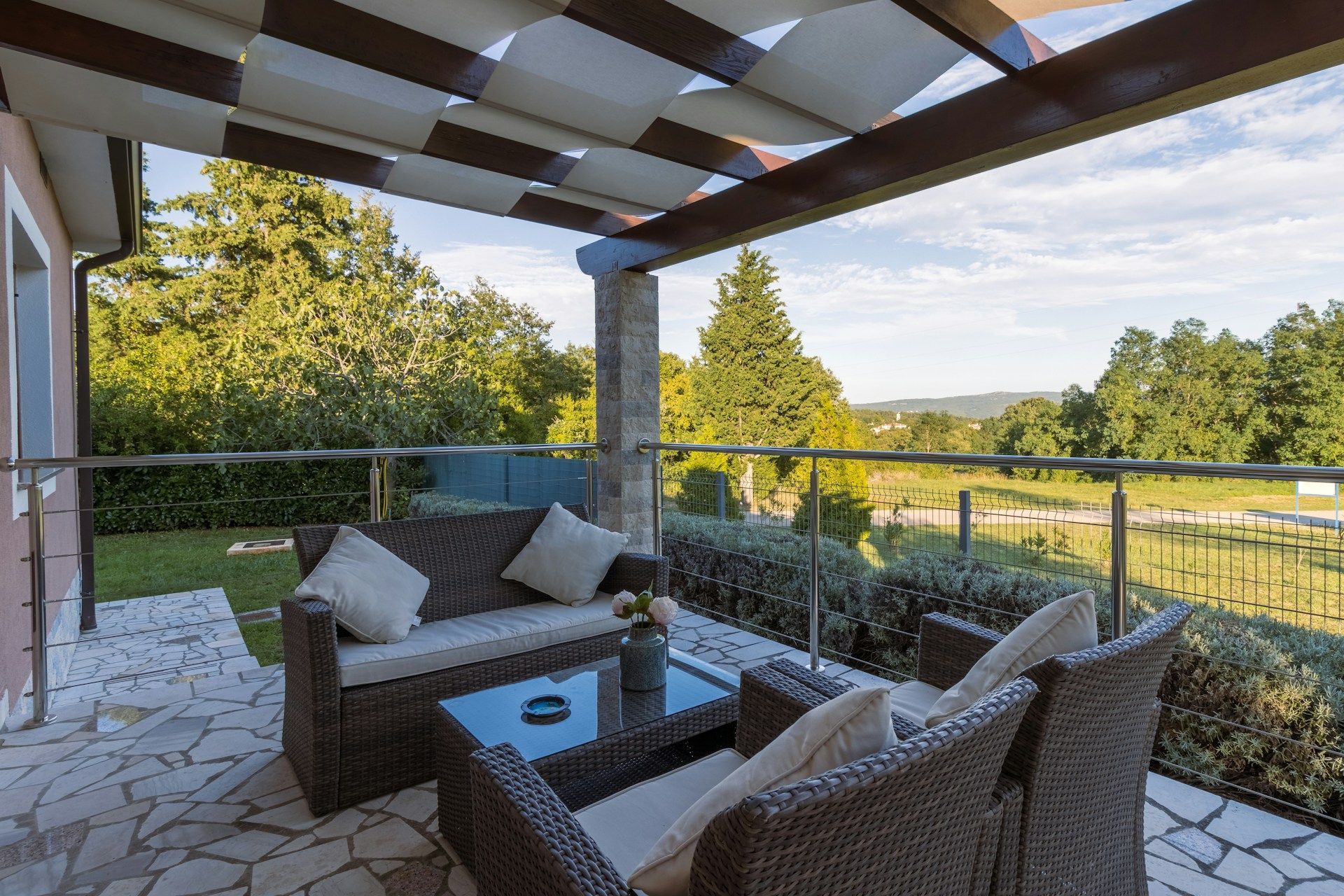
When we design or refine an estate, we think about typical storm paths. Screening walls, pergolas, and plant masses can be placed to break wind, shield pool terraces, and deflect salt spray away from key garden rooms and outdoor dining areas.
Softscapes need structural strength too. Pre-storm pruning by a professional team helps prevent major damage. That often includes:
- Removing dead or dying branches over roofs and drives
- Thinning dense canopies that catch heavy, wet snow
- Correcting weak branch crotches in specimen trees
Salt and wind can burn foliage, especially on evergreens and coastal-facing beds. To protect these living structures, we may recommend burlap wraps, windbreak hedges, anti-desiccant sprays, and a deep organic mulch ring to insulate roots and support soil life.
We are strong believers in regenerative landscaping. Deep-rooted plant palettes, compost-rich soils, and mycorrhizal amendments help plantings recover faster from stress. Healthy, living soil is your quiet partner in every storm.
Smart systems are part of estate readiness as well. Before storm season, a technology audit should include:
- Inspecting low-voltage lighting transformers and connections
- Burying or re-burying shallow wires along paths and drives
- Securing fixtures that could shift in wind or snow
- Linking lighting and irrigation to weather-aware controllers
True luxury maintenance means the infrastructure under the beauty is as carefully curated as the visible plantings and stone.
During-Storm Triage to Protect What Matters Most
Once a storm begins, safety is the priority. No climbing ladders, no tackling broken limbs, no clearing roof snow. The goal is simple: protect people first, then observe and record what is happening so your professional team can respond with precision later.
Safe actions during a storm often include:
- Keeping gates, latches, and doors secured
- Glancing at basement and garage drains for early signs of backing up
- Watching visible hardscapes from indoors for rapid pooling or overflow
- Taking photos and short videos during calm periods to record water flow
Those photos help us see where water escapes beds, overtops walls, or cuts across lawns and drives. They become design clues for future improvements.
From the windows of the home, it is also helpful to watch known drainage weak points, like:
- Low turf areas beside patios or drives
- The base of retaining walls
- The foot of sloped driveways where water funnels
In heavy snow, keep an eye on pergolas, outdoor kitchens, roofed entries, and cabanas. If the snow looks heavy and wet and keeps stacking up, that is a sign to call in professional snow management rather than trying to remove it yourself.
Access matters too. Even during active snow, it helps if the main entry walk and primary drive path stay loosely defined. That does not mean fully cleared, just visible enough that plow and blower crews can read the site quickly when it is safe to work.
Clear communication with your landscape architecture partner is key. Before storm season, we like to agree on:
- Preferred contact methods
- What qualifies as an emergency on your estate
- How we will prioritize access and vulnerable structures
Insights we gain while guiding you during storms flow back into future Consultations and Meetings. Over time, that feedback loop hardens weak spots and raises the overall storm-readiness of the estate.
Post-Storm Recovery for Masterpiece Gardens
When the sky clears and it is safe to step outside, the first 24 to 48 hours are about careful assessment and stabilization, not rushed cleanup.
Start with a slow walkthrough:
- Note any downed limbs, leaning trees, or cracked branches over drives or seating zones
- Look for heaved pavers or steps that trip underfoot
- Check mulch beds for scouring and bare soil
- Observe any new depressions or sinkholes near walls and patios
Some damage is cosmetic, like surface leaf burn from salt or foliage shredded by wind. Other issues are structural, like root upheaval, failing walls, or drainage blowouts. A premier landscape architecture team, ranked top 3 in Hartford County, can separate one from the other and create a focused recovery plan.
Water is often the hidden problem. Saturated soils can suffocate roots and weaken slopes. Good post-storm landscape maintenance may include:
- Core aeration of lawns that stayed wet for days
- Selective de-thatching to let soils breathe
- Refining swales, rain gardens, or dry creek beds to guide future storms
- Adjusting downspouts and splash areas so they send water to safe infiltration zones
Current Trailblazer trends in water-wise garden design lean into plant communities that enjoy both short-term flooding and later dry spells. Think deep-rooted grasses, flowering perennials, and shrubs that hold soil, sip excess water, and still look refined.
Regenerative recovery includes top-dressing with compost, rebuilding mulch rings, and adding native groundcovers to anchor slopes and repair washed-out beds. This approach restores living structure; it does not just hide damage.
Softscapes and lighting are the soul of the estate experience, especially at night. After a storm, we will often:
- Prune storm-torn stems cleanly to prevent disease
- Rinse salt from foliage where practical
- Decide what to replace and what to nurse along over a season
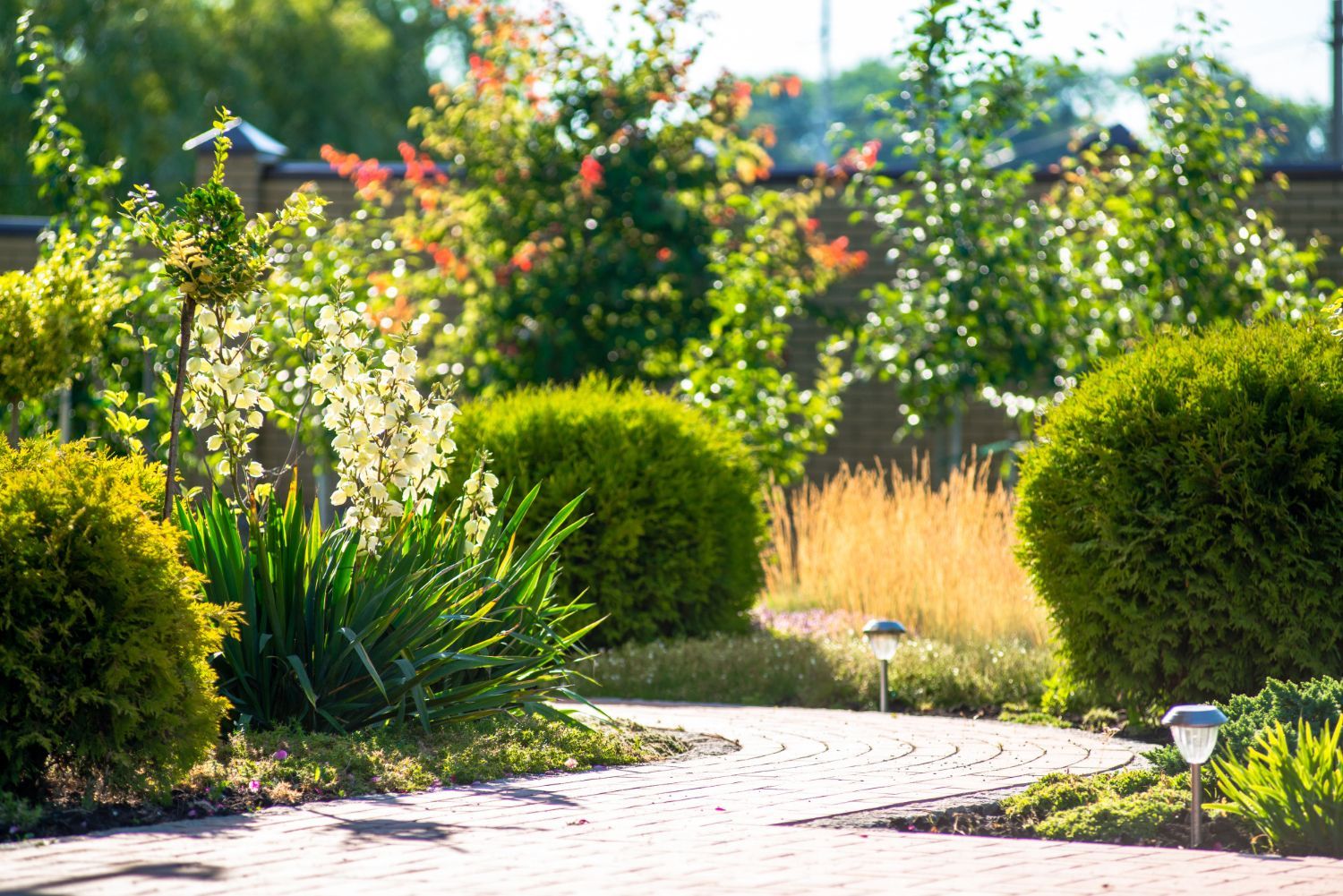
- Realign lighting so paths, trees, and facades regain their soft glow
Storms can actually improve an estate if we treat recovery as a chance to refine sightlines, update plant palettes, and strengthen the garden as an architectural extension of the home.
From Autumn Gales to Winter Snow-Load Control
On New England estates, late-summer storms and winter nor’easters are part of the same story. The areas that flood in August often become ice sheets in January.
The fall maintenance window is a perfect time to:
- Adjust grading around patios and drives
- Add or tune French drains and swales
- Reroute downspouts away from walkways
- Refine driveway pitch so meltwater flows where it should
These upgrades support elite landscape maintenance, keeping the estate both safe and visually cohesive. The curve of a driveway, the setting of a stone apron, and the line of a hedge all work together to move water with quiet elegance.
For winter, we bring commercial-grade snow management thinking to refined residential and mixed-use properties. That includes:
- Planned plow patterns that protect plantings and stone edges
- De-icing strategies that balance safety with soil and plant health
- Thoughtful snow stacking areas that avoid crushing gardens and walls
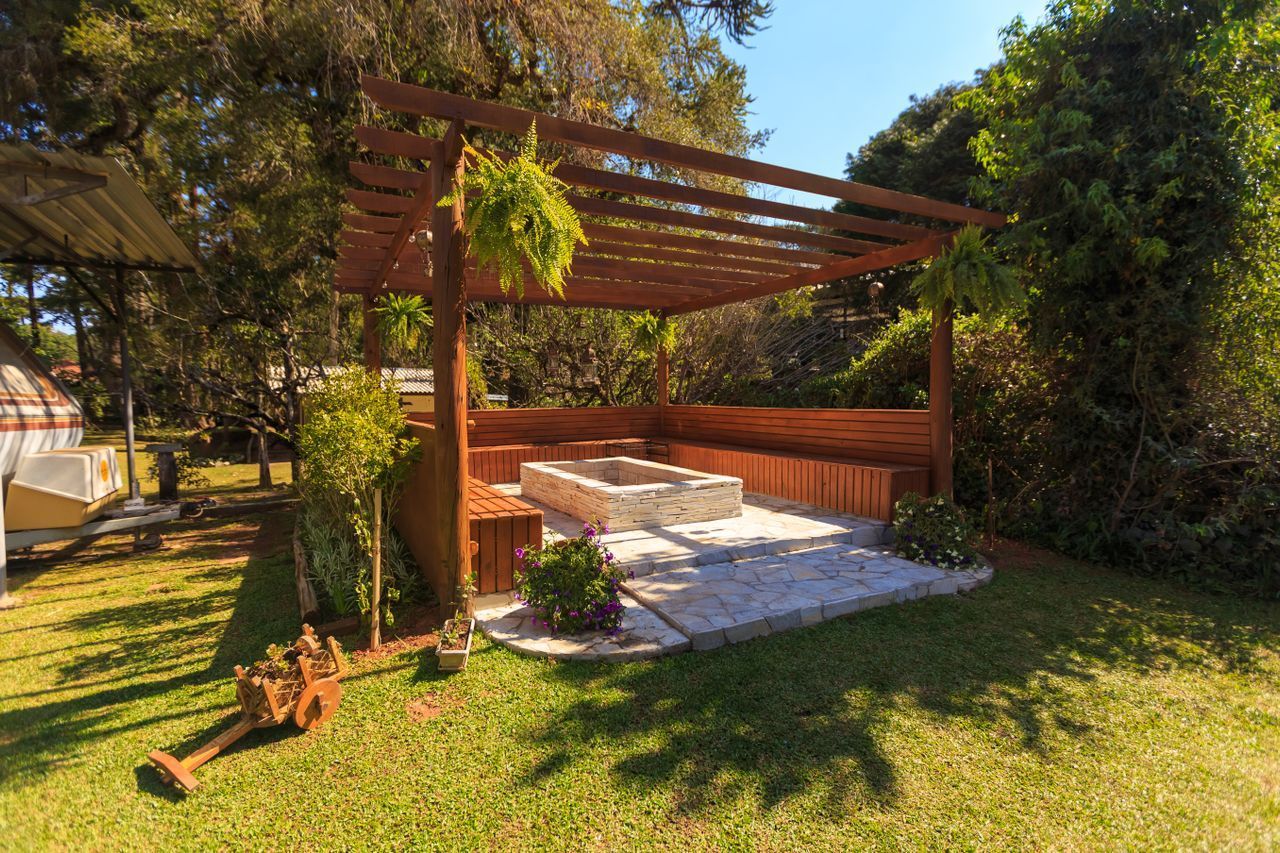
Snow-load on outdoor structures deserves special attention. Pergolas, timber frames, outdoor kitchens, and entrance canopies may need scheduled relief visits where crews carefully lower weight before it becomes a structural risk.
We also promote best practices for salting and de-icing around masterpiece gardens:
- Using targeted applications rather than blanket coverage
- Favoring pet-safe and plant-tolerant products where possible
- Supplementing with sand for traction in key areas
Smart app lighting helps winter work too. Well-planned LED systems can guide plow crews, delivery drivers, and guests along safe, clear paths on the darkest evenings.
Water-wise thinking does not stop when it is cold. Permeable pavements, snow storage areas that feed future rain gardens, and thoughtfully sited drains all turn winter moisture into spring strength. Storm-readiness is not a single project. It is a curated, evolving master plan that blends regenerative landscaping, smart technology, and premier design to keep your estate calm, composed, and beautiful in every kind of weather.
At J. Rodman Home Improvement and Landscape, we see every storm as a design partner. With the right planning and care, wind, salt, snow-load, and water all become elements your estate is ready to meet with quiet confidence.
Get Started With Your Project Today
If you are ready to keep your yard looking its best in every season, our team at J. Rodman Home Improvement And Landscape is here to help with tailored
landscape maintenance plans. We will work with you to understand your property’s needs and create a schedule that fits your lifestyle and budget. To discuss your goals or request a quote, simply
contact us and we will follow up promptly with next steps.