Regenerative Softscape Plans for Estates: Operations, Metrics, Coordination
Regenerative Gardens That Perform Like Architecture
Regenerative gardens are the living counterpart to your home’s architecture. The stone terrace, clean seat walls, and structured walks set the frame. The softscape services, soil, and plant communities bring it to life and keep it performing year after year.
For modern estates in Hartford County, mowing and mulching alone are not enough. Large properties need a design-first, year-round plan that keeps gardens beautiful while also improving soil, water, and habitat. Done well, the outdoor space feels as intentional as the home itself, with every planting bed working like a carefully drawn floor plan.
A regenerative softscape service plan treats your gardens as a long-term asset, not a chore. It ties appearance, comfort, and prestige to three clear pillars: continuous operations through all four seasons, measurable performance metrics like soil organic matter, infiltration, and biodiversity, and smooth coordination between garden care, hardscapes, and snow management teams.
Designing Estate-Level Softscape Service Plans
Everything starts with design. A true estate plan looks at the plant palette, soil structure, and microclimates with the same care given to patios, walls, and outdoor rooms. We map sun and shade, air movement, and water flow, then decide which plant layers belong in each zone.
Our 4-step professional process works just as well for ongoing softscape services as it does for new projects:
- Consultation, walking the property, listening to how you use outdoor rooms
- Meeting, reviewing concepts, plant ideas, and maintenance expectations
- Proposal, outlining a clear, estate-specific care schedule and service scope
- Execution, installing, adjusting, and then returning season after season
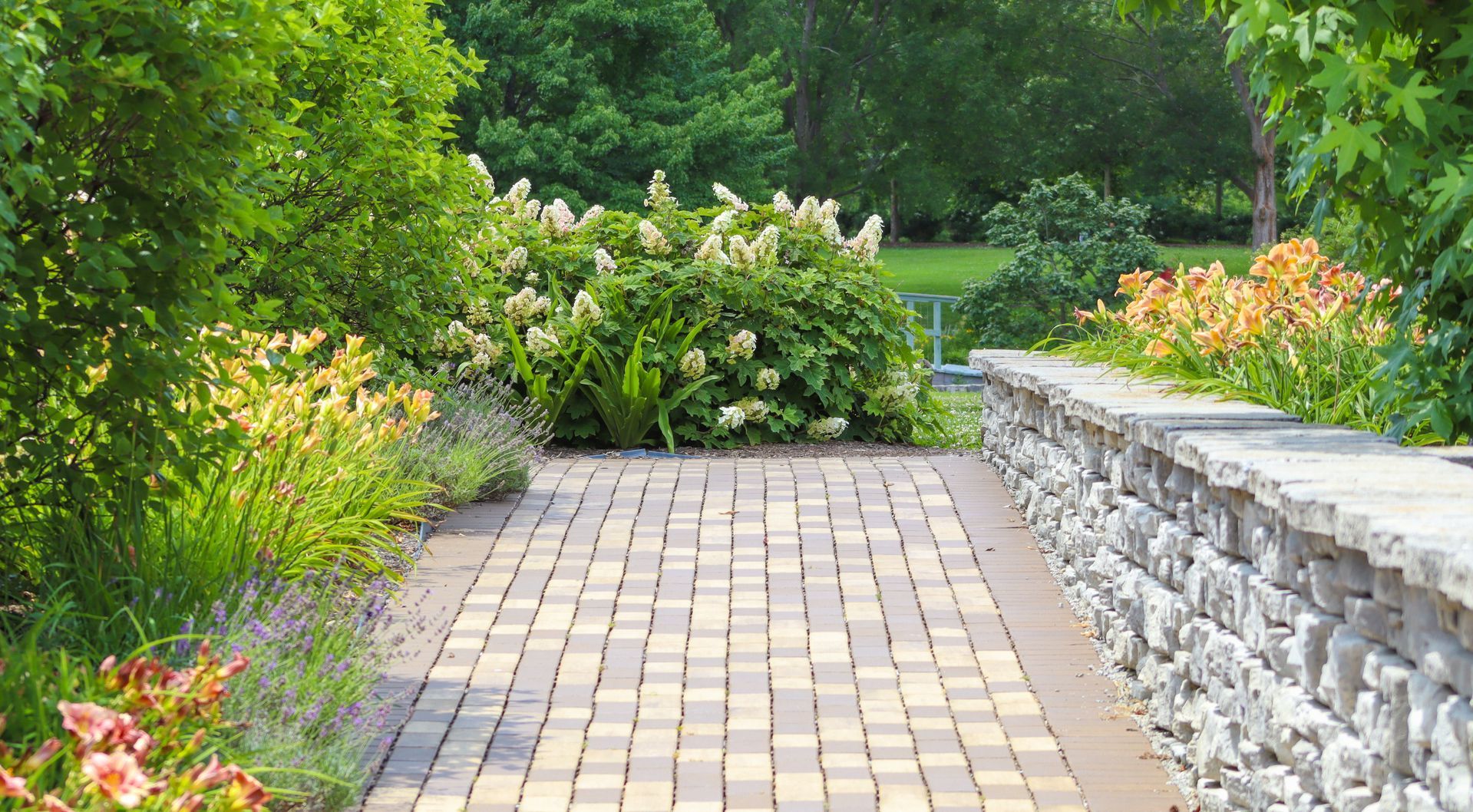
We think in layers: canopy trees that hold shade and structure, understory trees that bring interest at eye level, shrubs for form, perennials for color, and groundcovers that knit everything together. The goal is masterpiece gardens that look curated in every month, from the soft glow of integrated path lights in spring to the frost on ornamental grasses in late fall.
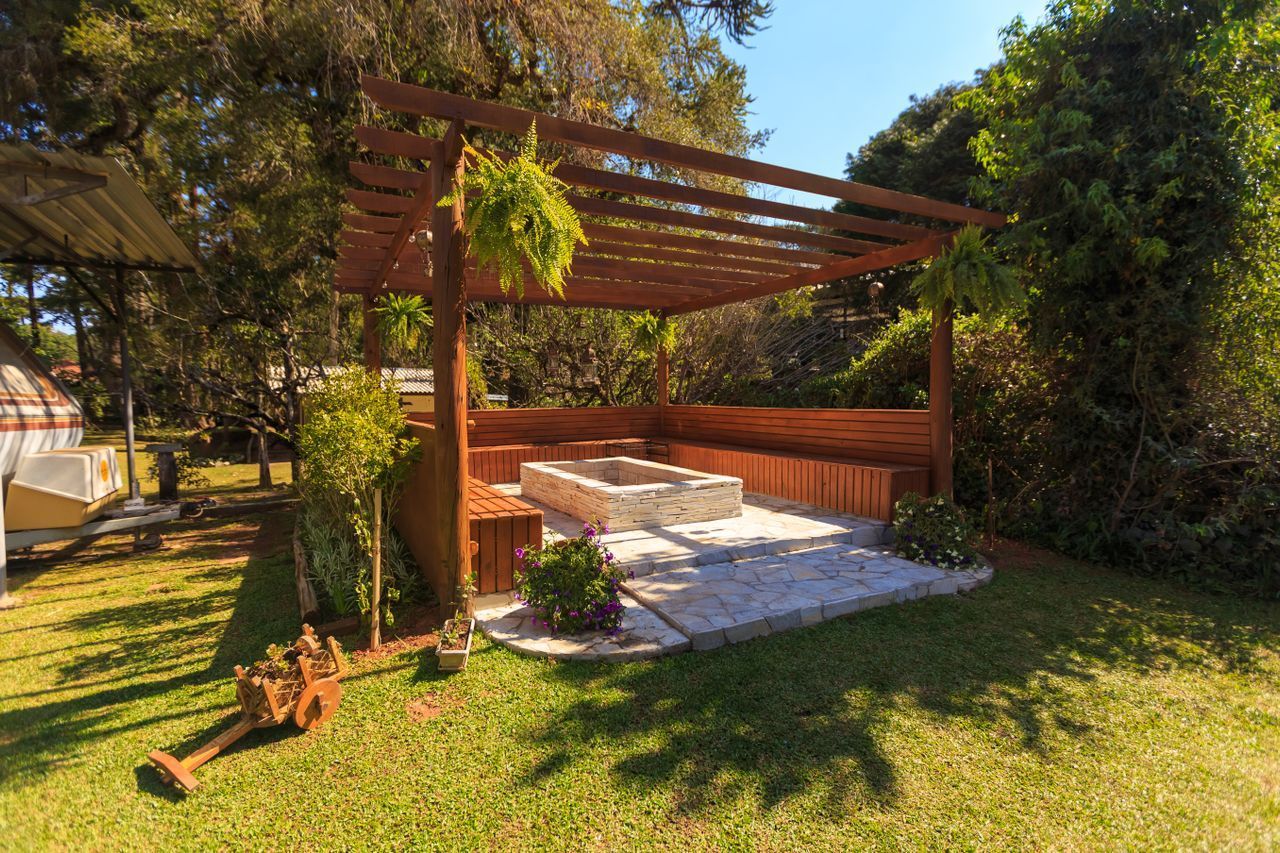
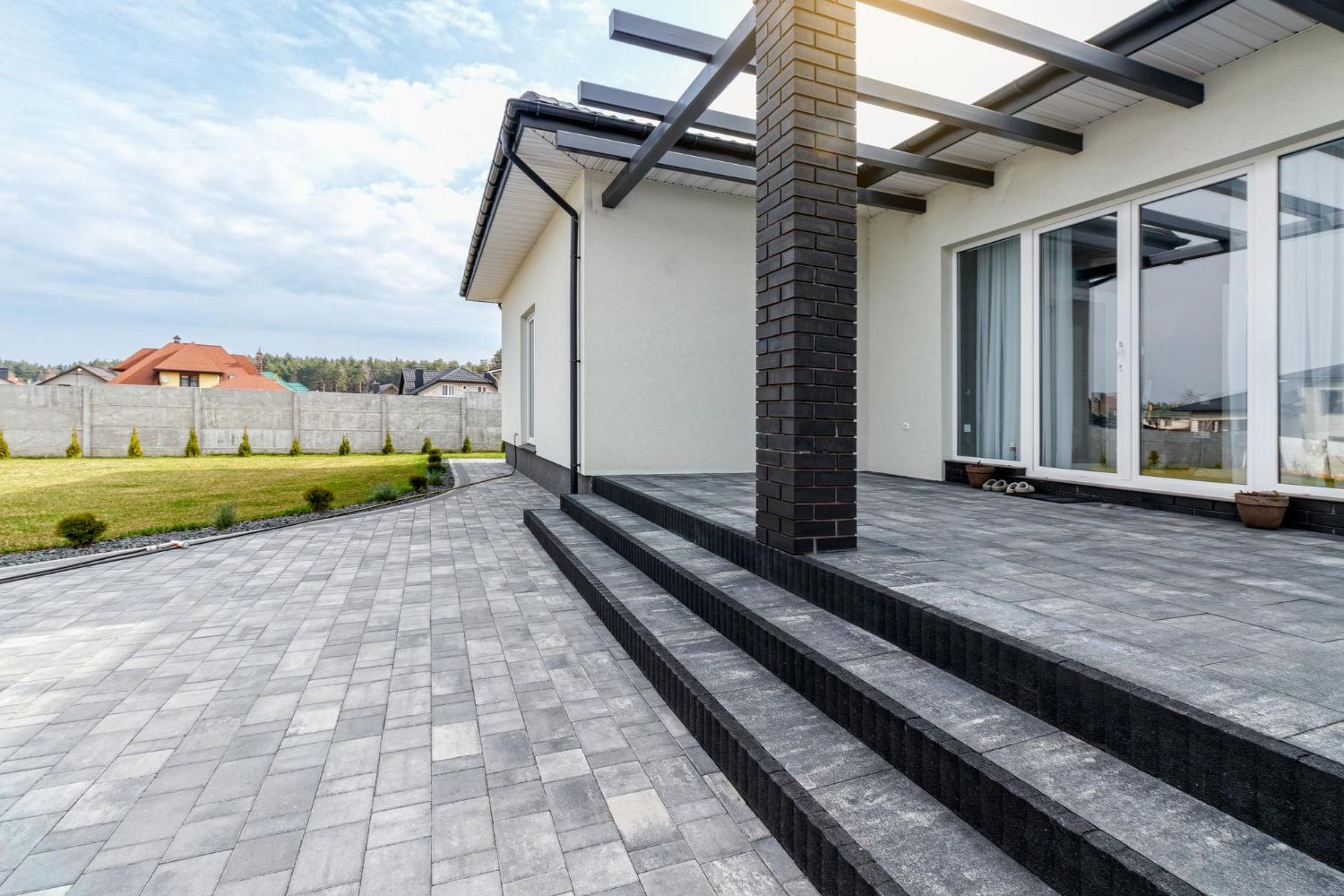
Hardscapes and softscapes work as one system. Stone edging protects root zones. Planting pockets along seat walls blur the edge between gathering spaces and gardens. Foundation beds extend the lines of the architecture out into the property so the home does not sit on the land; it feels tied into it.
Year-Round Operations From Peak Bloom to First Snow
On a modern estate, care never really stops. The work simply shifts focus as the seasons move.
A typical year can look like this:
- Spring: soil “awakening,” fine pruning, compost-based topdressing, bed reshaping
- Summer: canopy management, irrigation checks, plant health monitoring, spot planting
- Early fall: renovation, dividing perennials, new tree and shrub installations
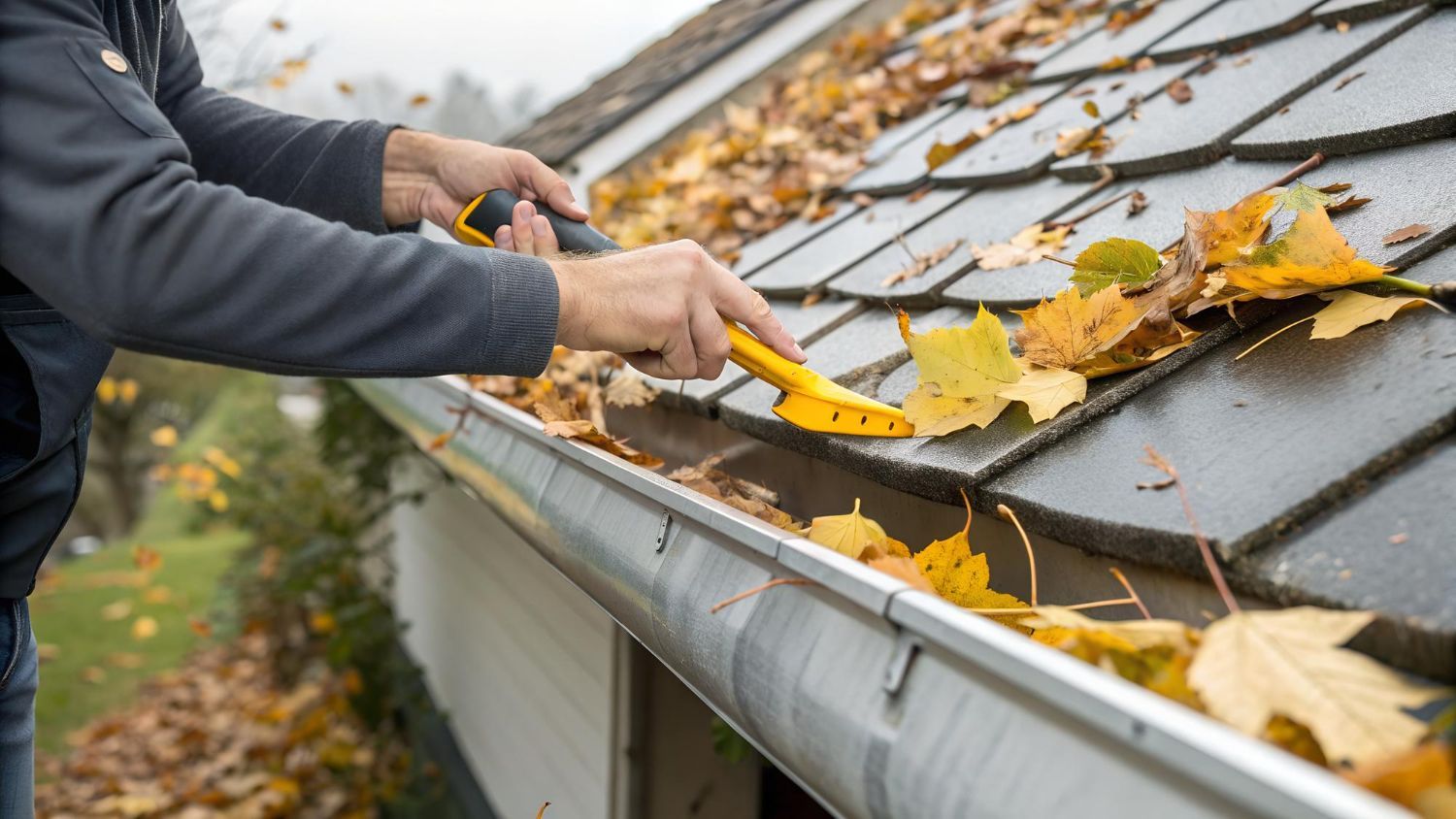
- Late fall: cutbacks where needed, leaf management, protection ahead of snow
Regenerative softscape services support growth in spring and summer, then protect that investment before winter. In warm months, we build soil health and biodiversity, feeding soil life and adding organic matter. As temperatures cool, we look at structure, pathways, and how snow and ice will move through the site.
There is a clear pivot into commercial-grade snow operations. Pre-winter site walks, staking, and mapping mark curbs, planting beds, walls, and narrow drives. We plan where plows can safely push snow, where deicing should be limited, and how to shield masterpiece gardens from heavy equipment.
When this is done well, you feel it all year. Fragrant blooms greet you in spring. Mature trees cast cool, patterned shade in July. In October, ornamental grasses and seed heads rustle along walks. In January, clean snow lines sit against strong evergreens and structural plantings, not broken stems and crushed beds.
Measuring Regeneration with Soil OM, Infiltration, and Biodiversity
What makes regenerative softscape services different from standard maintenance is that they are performance based. We care how the estate looks, and we also care how it functions. Three practical metrics help tell that story: soil organic matter, water infiltration, and biodiversity.
Soil organic matter, often shortened to OM, is the “living” portion of soil: decomposed plants, roots, and microscopic life. With professional attention, OM slowly increases over time. Even small gains can mean:
- Better root growth and resilience
- Greater drought tolerance between rain events
- More stable, crumbly soil that is easier on plant roots
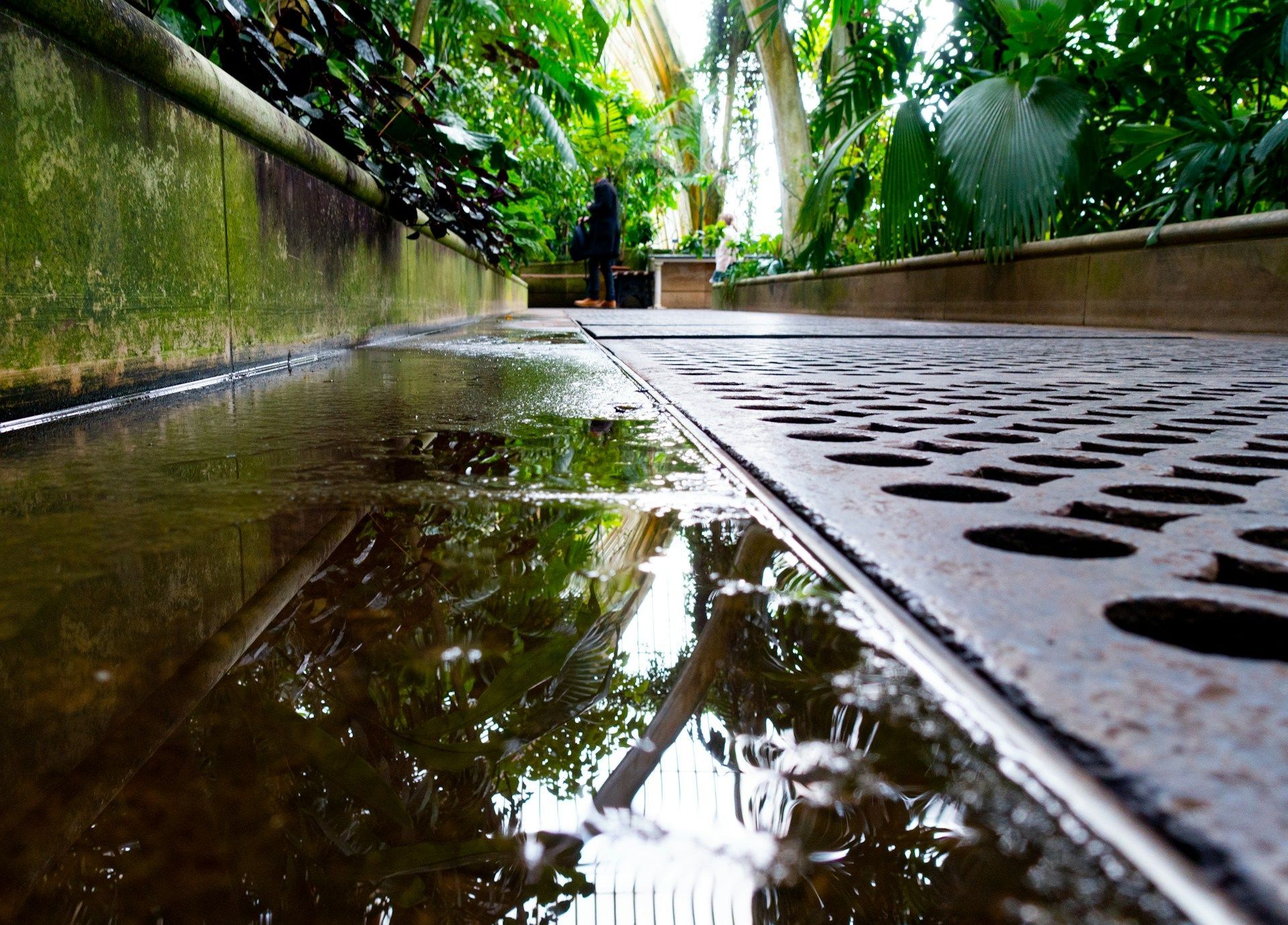
Infiltration is simply how quickly water soaks into the ground instead of sitting on top. Simple checks in different zones show whether beds are taking in water or shedding it. Better infiltration leads to fewer puddles on walks, less erosion near driveways, and stronger performance from rain gardens and water-wise plantings during summer storms.
Biodiversity is both science and art. A diverse plant community supports more pollinators and birds, and it often has fewer pest problems. With good design, this does not look wild or messy. It can look very curated, estate-appropriate, and tailored, with a long bloom window from early spring to late fall, layered textures, and four-season interest.
A premier design firm can document these metrics over time. Seasonal notes and simple records turn invisible soil and ecosystem gains into a clear, confident story about how your estate is improving under a regenerative softscape plan.
Smart Systems and Contractor Coordination for Estates
Modern estates often include smart systems that quietly support good softscape services. App-based lighting lets path lights, uplights, and garden accents shift with the seasons. Smart irrigation and soil moisture sensors help match water use to plant needs, which protects both plant health and hardscape investment.
For this to work, every contractor on site has to understand the garden plan. Coordination between the landscape architect, masons, irrigation contractors, lighting specialists, and snow management crews is just as important as the design itself.
That coordination can include:
- Shared site maps marking root zones, plant beds, and infiltration areas
- Agreed snow storage zones that do not crush plantings or block drains
- Protected bioswales and rain gardens with clear no-plow buffers
- Planned routes for heavy equipment that keep compaction away from key beds
This level of orchestration is a hallmark of premier estate work. The structural elegance of custom hardscapes, the living softness of the gardens, and the behind-the-scenes systems all function as one cohesive outdoor environment.
Begin Curating a Regenerative Estate of Your Own
A regenerative softscape service plan does more than keep things tidy. It supports enduring beauty, measurable ecological performance, and calm, year-round operations that protect the property you have built. Over time, soils grow richer, infiltration improves, and plant communities become more layered and resilient.
When you look ahead a few years with this kind of plan in place, you see deeper shade where small trees once stood, stronger blooms in beds that used to struggle, and more birdsong in the early morning. Outdoor rooms feel like a true extension of the home in every season, from spring dinners on the terrace to quiet winter views across sculpted snow and evergreens.
As a premier landscape architecture and home improvement firm ranked Top 3 in Hartford County, J. Rodman Home Improvement and Landscape is dedicated to curating high-performance, regenerative estates that look and feel like modern masterpieces, year after year.
Get Started With Your Project Today
Transform your yard into a vibrant, welcoming outdoor space with the expert touch of J. Rodman Home Improvement And Landscape. Explore our tailored
softscape services to create planting designs that fit your style, your property, and New Jersey’s climate. If you are ready to talk about your project timeline, budget, and vision, simply
contact us and we will help you map out the next steps.