Audit and Enforce Landscape Specs Across Seasons and Contractors
Preserve the Vision of Your Outdoor Masterpiece
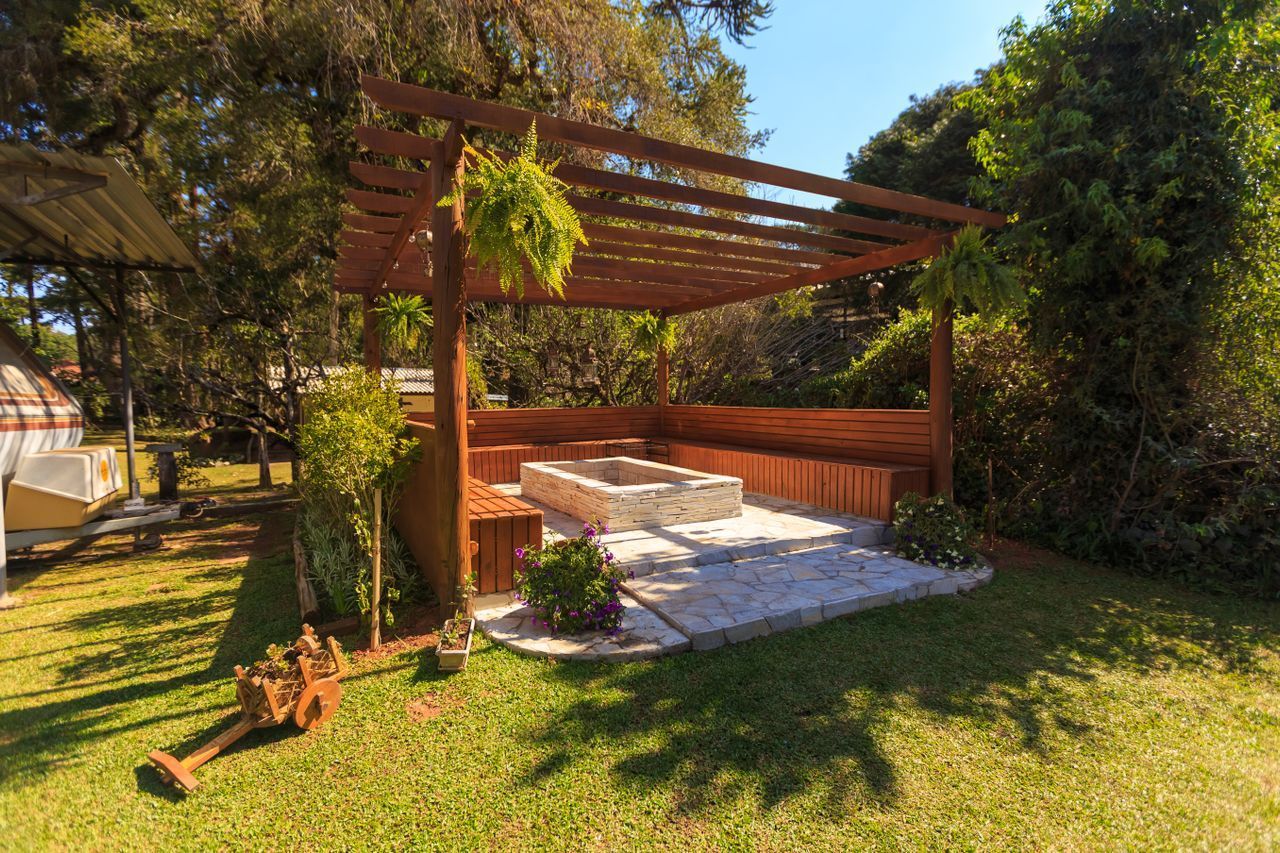
A true luxury garden is not just installed and forgotten. It is curated, protected, and guided so that every plant, stone, and light keeps working together year after year. Without clear maintenance protocols, even the most beautiful design can slowly fall apart.
We call this design integrity maintenance. It means every pruning cut, every irrigation setting, and every lighting tweak is done in line with the original landscape architecture vision. The goal is simple: your outdoor space should feel like an architectural extension of your home in every season, not a patchwork of random work from different crews.
At J. Rodman Home Improvement and Landscape, ranked Top 3 in Hartford County, we curate estates, not just maintain yards. We treat gardens, hardscapes, and outdoor lighting like long-term design investments. The structural elegance of custom stonework, the soft glow of integrated lighting, and tree canopies that frame the home are all at risk if someone guesses instead of following a clear plan. Below, we share a homeowner-friendly protocol to audit, document, and enforce your landscape maintenance specs so your estate feels cohesive from spring bloom through winter snow management.
As part of our Trailblazer approach to 2026 landscape architecture trends, we weave regenerative landscaping practices, smart-app lighting systems, and water-wise garden designs into every phase of our work, so your property feels both timeless and ahead of the curve.
Establish Your Design-Integrity Baseline
The master plan is your North Star. This is your design-integrity baseline, a living document that ties the whole property together. It should show how every space works with the architecture of your home, not just where plants happened to be placed.
Your baseline should include:
- Layout plans and “garden rooms”
- Plant palettes with key varieties and roles
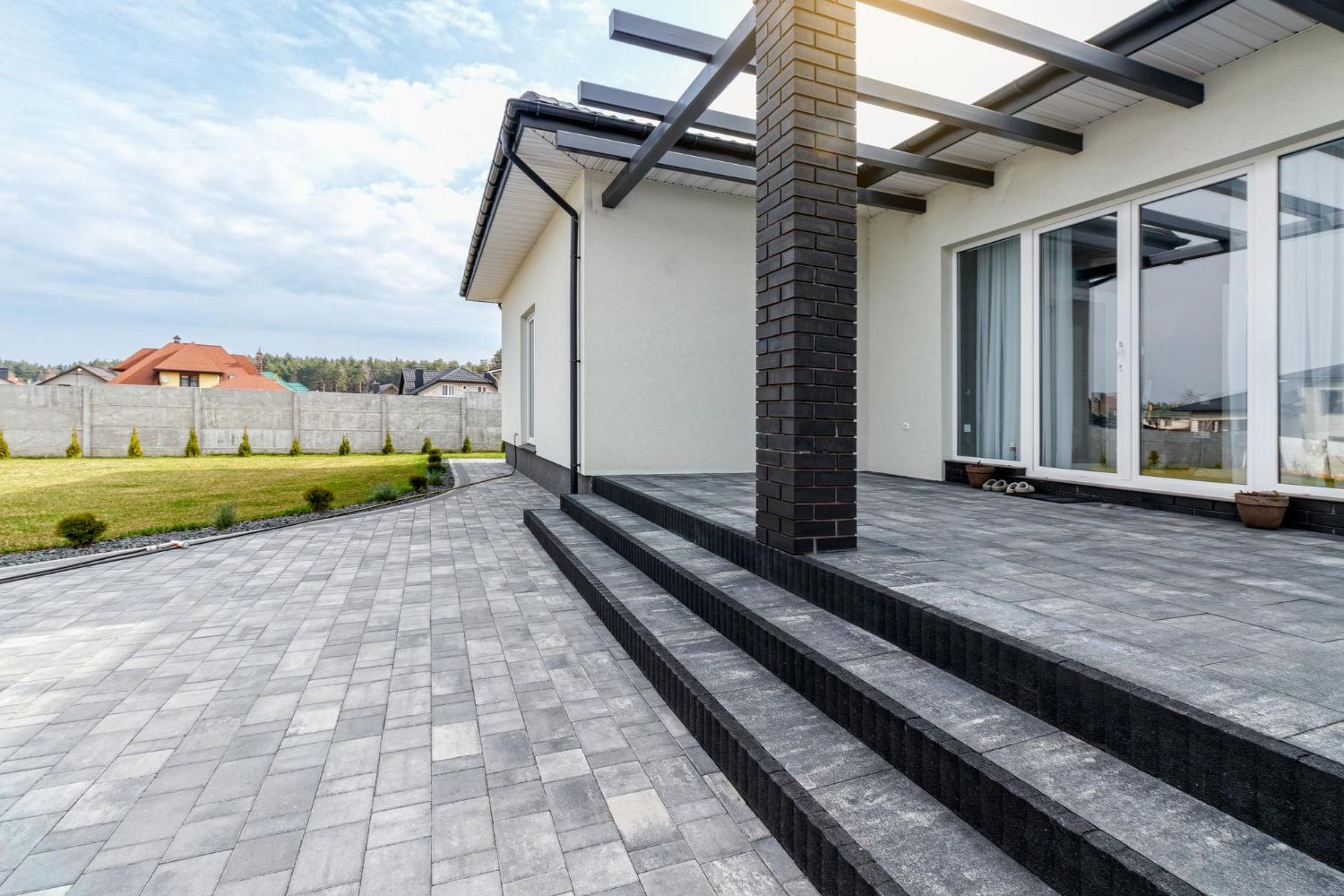
- Hardscape materials and patterns
- Lighting zones and beam focus
- Irrigation schematics and control zones
A professional consultation and on-site meeting is the best way to build or refine this baseline. Walking the grounds with a premier design-focused team lets you see where the original intent has drifted, such as:
- Overgrown shrubs blocking sightlines from windows
- Mismatched plant replacements that break the color rhythm
- Lighting that is too bright in some areas and dark in others
Document what you see now. Take wide-angle photos of each major zone, then close-ups of important plantings and focal points. Sketch a simple map that marks:
- Key views from inside the home
- Focal trees, sculptures, or water features
- Main circulation paths and gathering areas
This becomes the standard that all future work is measured against. When multiple crews work on a property over the years, the baseline keeps the vision steady while the details evolve. In our Proposal phase for Hartford County estates, we often refine this baseline to align with forward-looking, Trailblazer 2026 trends like regenerative landscaping, app-connected smart lighting scenes, and water-wise garden designs that still feel timeless around your home.
Craft Clear Specs for Plants and Pruning
“Trim the bushes” might be the most dangerous phrase for a designed garden. Vague directions lead to flat-topped hedges, sheared flowering shrubs, and lost structure. Clear plant and pruning specs protect the sculptural intent of your masterpiece gardens.
Good plant specs should note:
- Variety and cultivar
- Mature size you are designing toward
- Preferred form (naturalistic, clipped, cloud-pruned)
- Color role (background, accent, seasonal highlight)
- Function (screening, framing, focal, backdrop)
Pruning standards then support those specs. For example:
- Ornamental trees shaped for layered canopies that frame views from key windows, not just raised for car clearance
- Flowering shrubs cut right after bloom if they flower on old wood, so next year’s buds are not removed
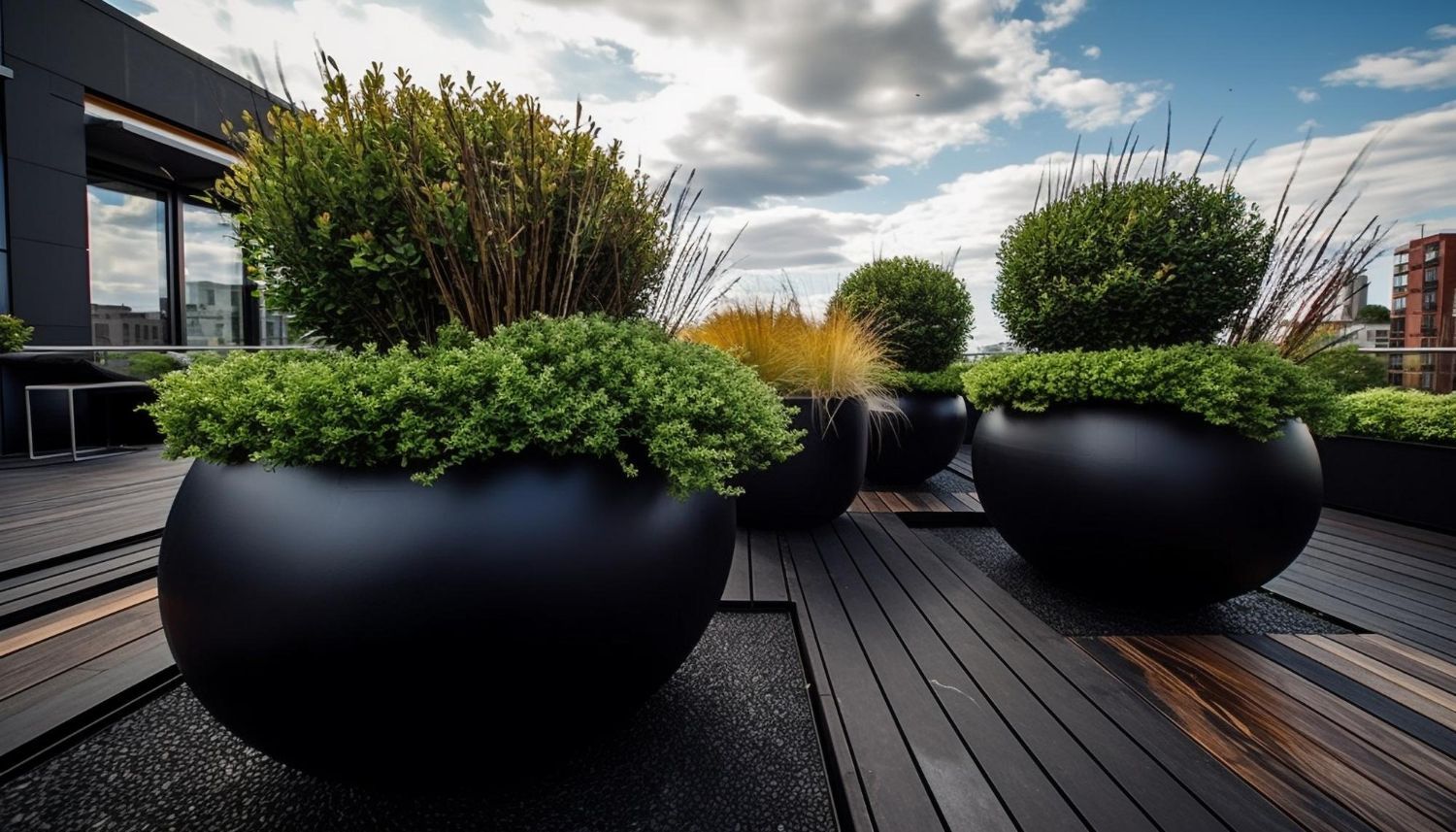
- Evergreen “structure plants” shaped to echo your home’s lines, like tall vertical forms mirroring columns or low mounds softening stone walls
The easiest way to keep everyone aligned is a simple plant and pruning guide. For each important plant or group, include:
- A photo of the “ideal form”
- Timing by month for pruning or deadheading
- Do / do not notes, such as “do thin by hand, do not shear”
During our Execution phase, we create these curated standards so that every cut, from fine hand-pruning to big seasonal reductions, protects design integrity rather than fighting against it. This is how we curate estates and sustain the architectural elegance of your outdoor masterpiece.
Intelligent Irrigation and Lighting Protocols
Water is a design tool. Too much irrigation can blur clean bed lines, stress specimen trees, and invite disease. Too little and lawns thin out, foliage dulls, and the garden loses that deep, immersive feel.
Set up an irrigation protocol that includes:
- Zone-by-zone notes on plant types, sun exposure, and slope
- Seasonal run times for spring, summer, and fall
- Inspection points at the start of each season, like head type, coverage patterns, overspray, and drainage routes
Current Trailblazer trends favor regenerative, water-wise garden design. This can mean grouping plants by water needs, using soil sensors, and app-controlled smart systems that respond to real conditions in Hartford County rather than fixed timers.
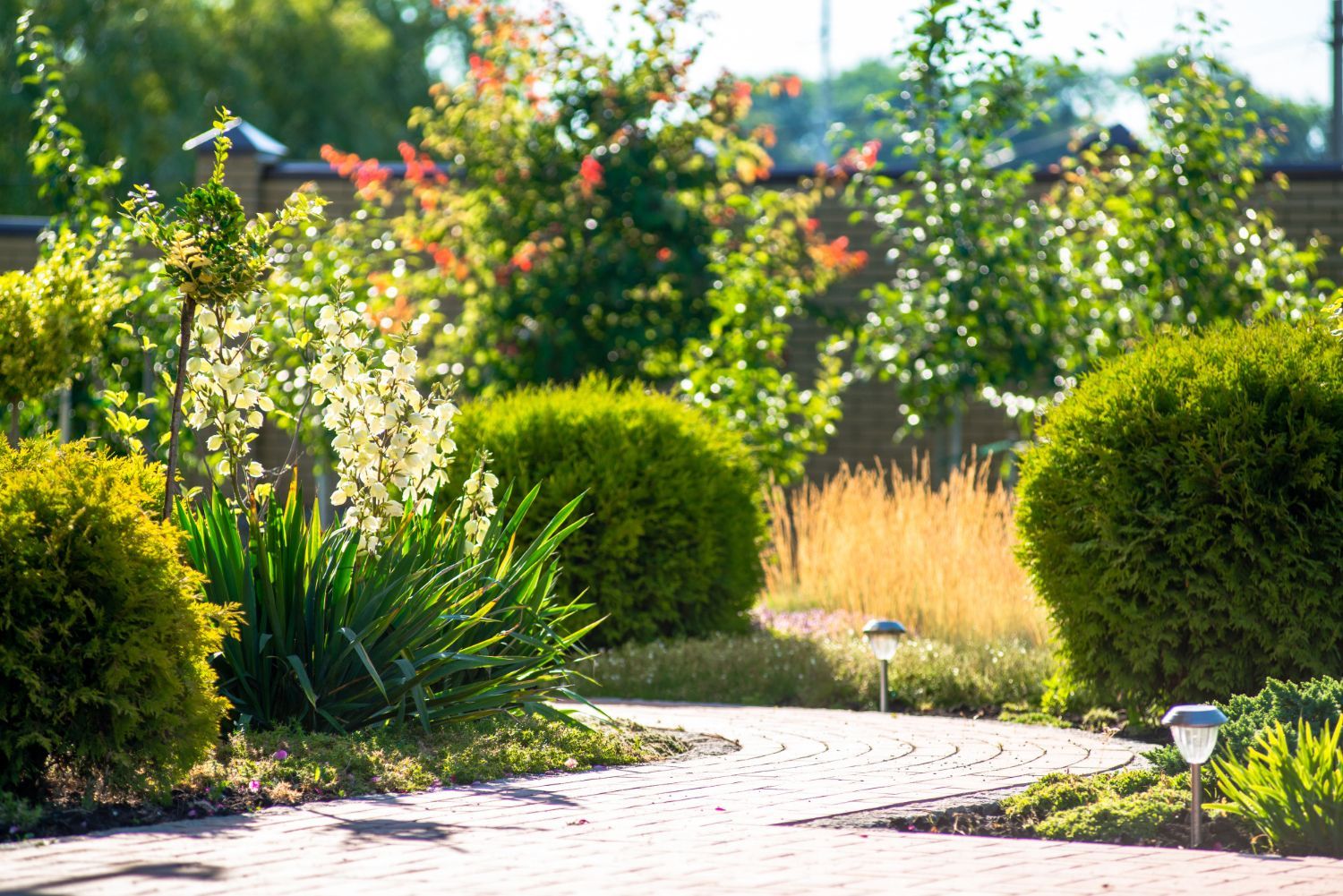
Lighting deserves the same level of care. The soft glow of integrated path lights, subtle uplighting in the canopy of a specimen tree, and a warm wash across stonework all shape how your home feels after dark. A lighting spec sheet should track:
- Fixture types and color temperature
- Beam spreads and aiming notes for focal points
- Seasonal dimming schedules, brighter in late fall for safety, softer on long summer evenings
- Integration with smart-app systems so scenes can be adjusted without moving fixtures
These “hidden systems” are as important to design integrity as pruning. When irrigation and lighting are tuned to the master plan using the latest smart technologies, the property feels polished, safe, and architecturally unified even at night.
Seasonal Audits From Bloom to Snowfall
The year on an estate is not a set of random chores. It is a curated sequence: spring refresh, summer refinement, autumn fortification, and winter protection. Each season calls for a focused audit so that both your residential gardens and, in late fall, your commercial snow management needs are anticipated and addressed.
Spring audit:
- Confirm plant survival and note gaps
- Check the shape and edges of all beds
- Recalibrate irrigation after freeze-thaw cycles
- Test every lighting zone before outdoor living begins in full
Summer audit:
- Compare growth with the original design intent
- Fine-tune pruning to keep views and clear paths
- Adjust irrigation for heat and increased use of outdoor spaces
- Confirm that seating areas and patios feel framed, not crowded
Fall audit:
- Prioritize health and structure with selective cutbacks
- Refresh mulch at root zones for insulation and moisture balance
- Check drainage around hardscapes before heavy rain and snow
- Adjust lighting as nights lengthen and update specs for any plant replacements
Late fall to winter pivot:
Commercial snow management is part of design integrity for premier estates and high-profile properties. For larger residential estates, commercial campuses, and long-drive entries, design-aware snow management includes:
- Mapped plow routes that avoid scraping or chipping custom stone
- Defined snow-storage zones away from fragile lawn sections and key sightlines
- Protection around ornamental shrubs that could be crushed by piled snow
- De-icing product standards that protect hardscape finishes and planting beds
A premier design firm like ours, ranked Top 3 in Hartford County, can steward this full-year arc, tying together garden health, architecture, curb appeal, and commercial snow management through all four seasons.
Enforcing Standards Across Crews and Contractors
The biggest risk to design integrity is not weather, it is guesswork. When crews change, when a new contractor steps in for “just one visit,” or when emergency work is done without the master plan, the property starts to feel pieced together.
To protect your estate, assemble a concise Estate Landscape Standards packet that includes:
- Baseline plans and photos
- Plant palette and pruning guide
- Irrigation and lighting specs
- Snow management routes and storage areas
- Seasonal audit checklists
Use this packet at every consultation and meeting with any service provider. Walk the property, review expectations, and point out design-critical elements like specimen trees, signature stonework, and high-visibility beds by the entry. This turns personal taste into clear, visual standards.
It also helps to require before-and-after photos from crews for key zones. Comparing those photos to your documented standards lets you see whether each visit moved the property closer to or farther from the master plan.
At J. Rodman Home Improvement and Landscape, ranked Top 3 in Hartford County, our 4-step process of Consultation, on-site Meeting, Proposal, and Execution is built to embed these protocols from the start. With unified oversight and a single landscape architecture vision, every cut, adjustment, and snow pass works together to preserve your outdoor masterpiece gardens. This is estate curation at a premier design level, where every detail is orchestrated to keep your property feeling like a cohesive work of art year after year.
Get Started With Your Project Today
If you are ready for a yard that looks great in every season without all the work on your shoulders, our team is here to help. At J. Rodman Home Improvement And Landscape, we tailor our
landscape maintenance plans to fit your property, your schedule, and your budget. Tell us what you need, and we will build a straightforward plan to keep your outdoor spaces healthy and inviting. Have questions or want to schedule a visit?
Contact us to get started.