Patio Longevity Plan: Drainage, Edge Restraints & Expansion-Joint Checks
Estate-Grade Patios That Age with Grace
A true estate patio should feel as solid and calm in year fifteen as it did on the first summer evening you stepped onto it. The stone should still feel level underfoot, the joints should be tidy, and water should slip away quietly instead of pooling in the middle of your entertaining space. That kind of long-term grace does not happen by accident; it is curated from the very first sketch as part of a larger landscape architecture vision.
Even the finest terrace is always moving a little. In Hartford County, freeze-thaw cycles, heavy gatherings, and pounding rain all push and pull on the structure. A premier landscape architecture and estate-care firm does not simply pour a slab or lay pavers; we engineer a longevity plan as carefully as we design masterpiece gardens. That plan includes thoughtful drainage, strong edge restraints, and carefully placed expansion joints, all tuned over time through high-end, estate-grade landscape maintenance. With the right care, we can often prevent early heaving, ponding, and tripping edges, though no one can fully erase normal aging, extreme storms, or eventual material fatigue.
Designing Patios as Architectural Extensions of Home
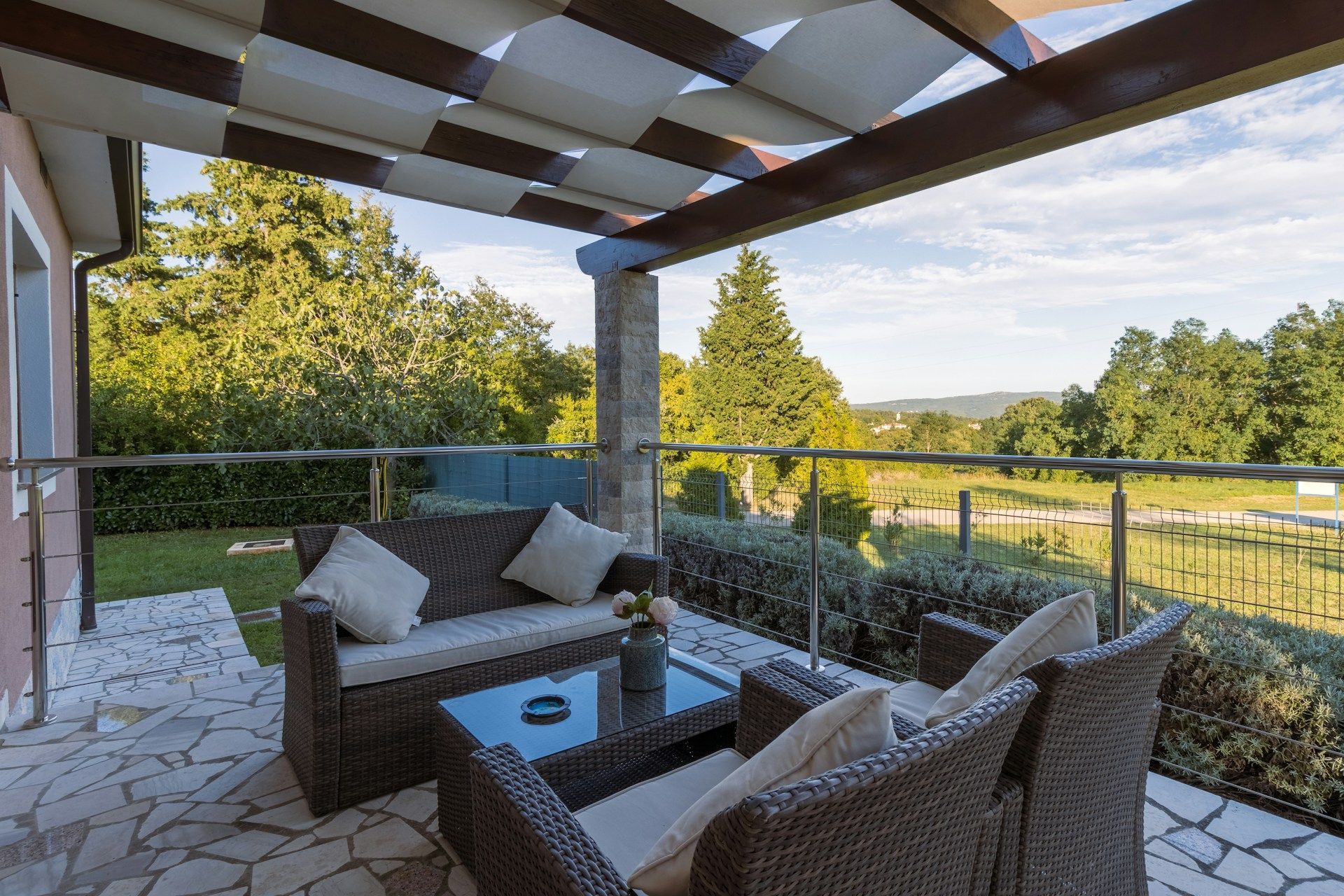
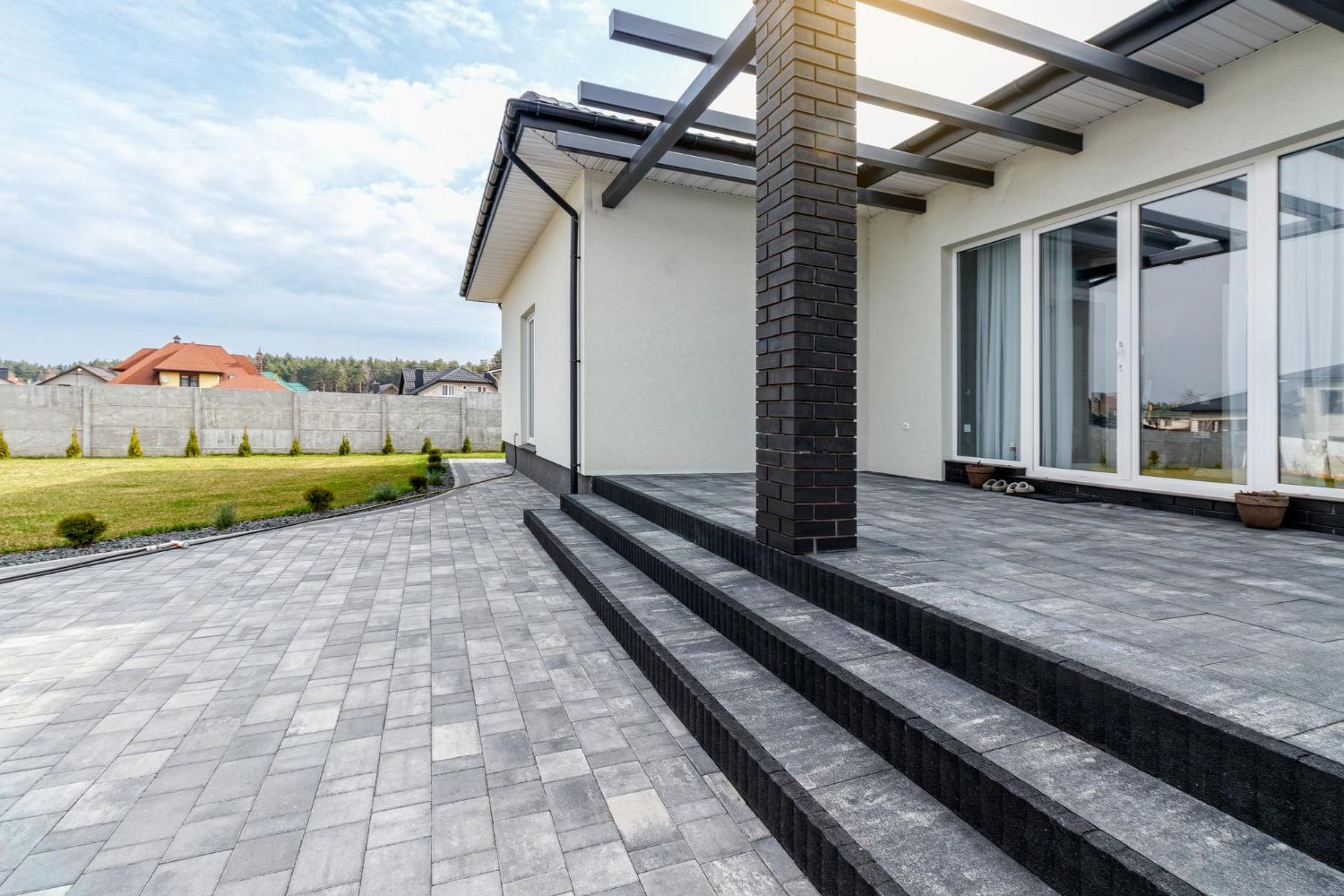
An estate-grade patio should feel like another room in the house, not an afterthought tacked onto the back door. The stone aligns with interior sightlines, so what you see from the kitchen sink or great room feels intentional and composed. Steps flow like a natural extension of the architecture, and planting beds frame views instead of cluttering them, turning the outdoors into a curated extension of your interior.
The quiet strength of a patio starts during design. Details like drainage, edge restraints, and expansion joints belong in the first drawings, not added at the end. We treat hardscapes and softscapes as architectural elements, carefully orchestrated to complement the home.
When we plan a Hartford County terrace, we think about:
- Slope that moves water away from the home without feeling noticeable
- Base depth that suits the soil and expected foot traffic
- Joint layout that allows movement without creating weak spots
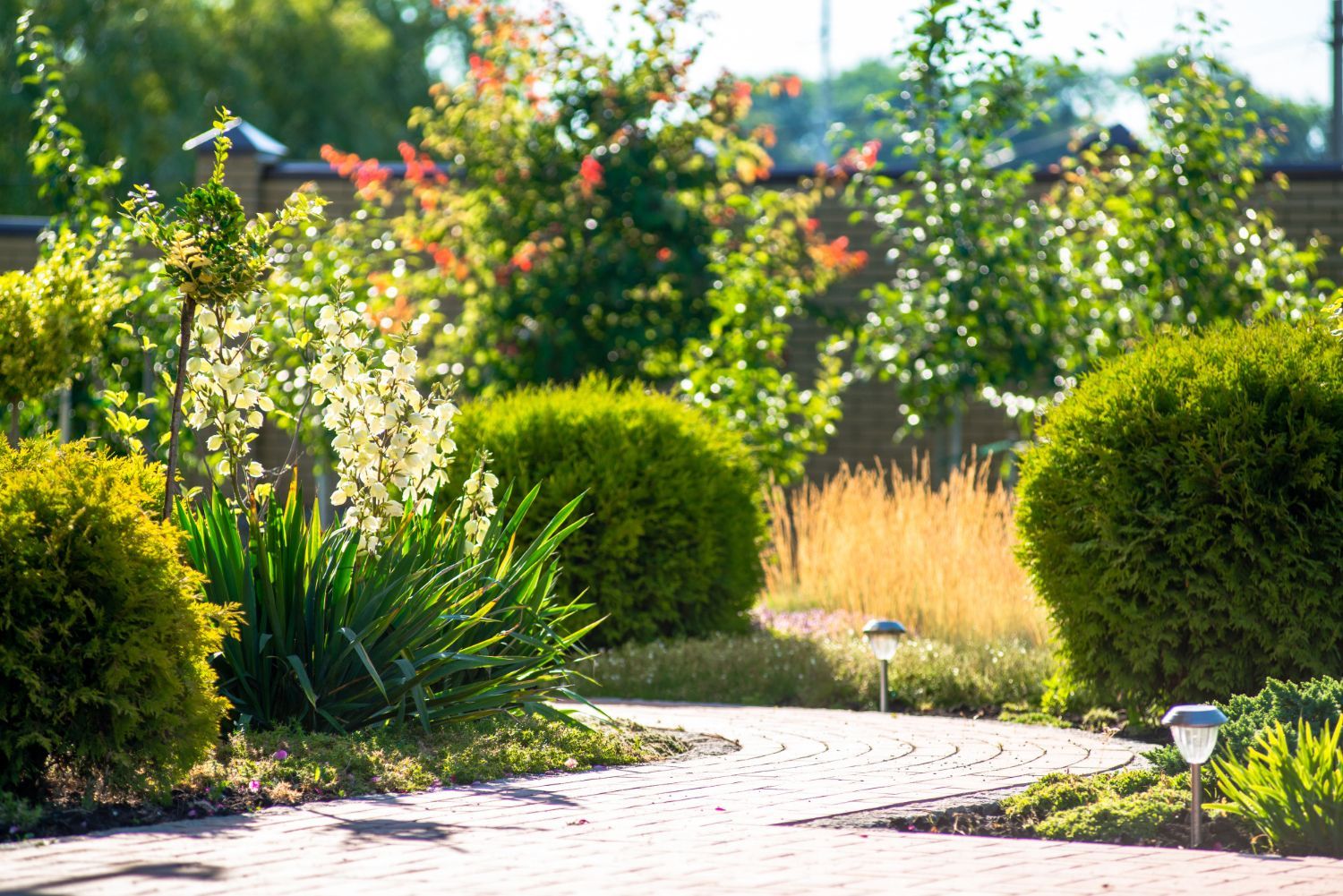
- Integration of smart, app-controlled lighting that bathes stone in a soft evening glow
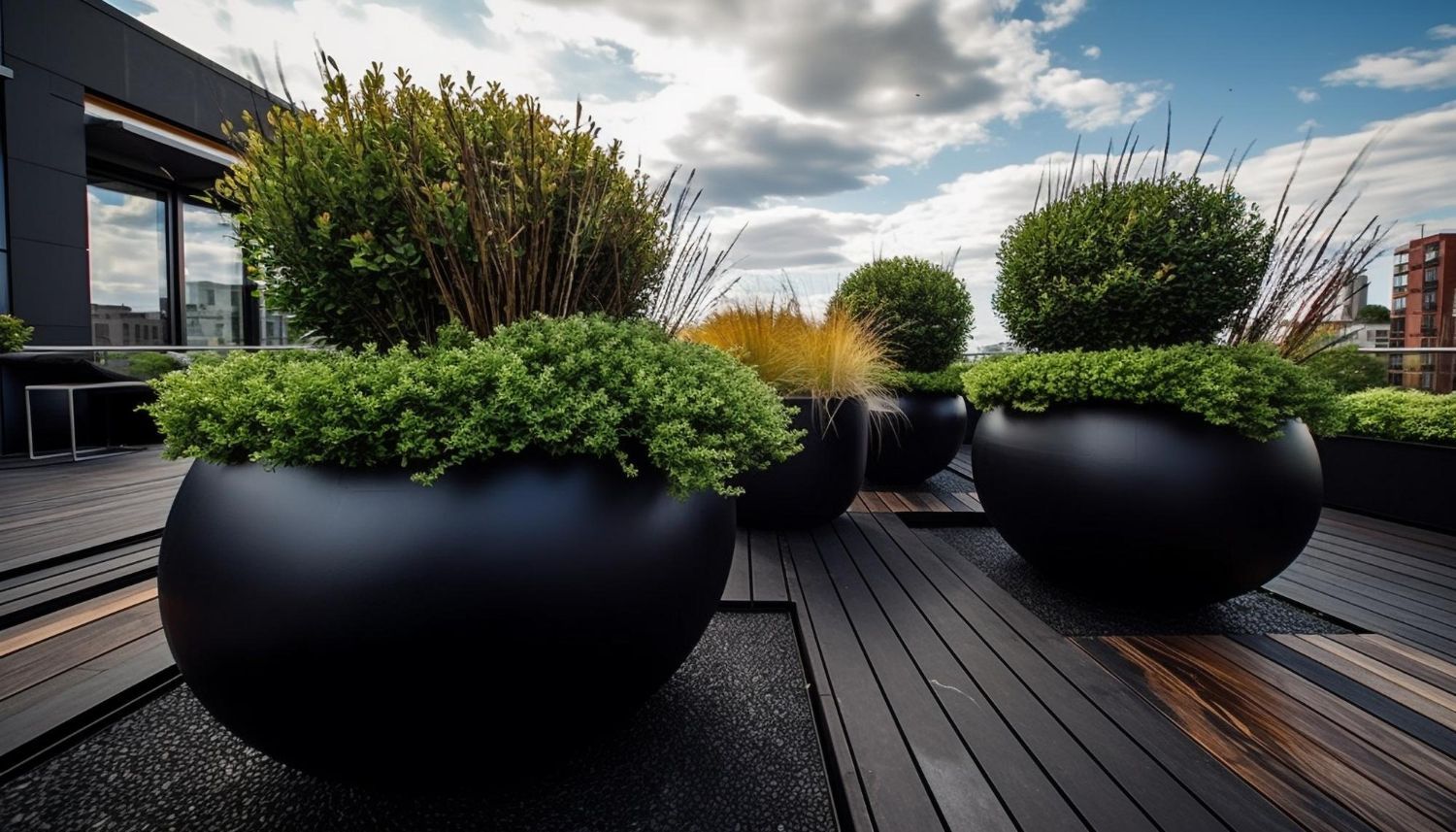
- Plantings selected for water-wise performance and seasonal drama
Our premier 4-step process keeps this structure-first thinking front and center:
- Consultation: We listen to how you live, walk the estate, and understand how the home meets the land.
- Meeting: We refine the vision together, aligning materials, technology, and aesthetics with the architecture and climate.
- Proposal: We present a detailed, phased landscape architecture plan, including drainage, base layers, and joint locations, along with lighting and planting concepts.
- Execution: We bring the design to life with meticulous installation and ongoing estate maintenance planning.
By the time we reach Execution, we have already mapped slopes, base layers, lighting zones, and joint locations so the terrace is both beautiful and built for the long run. The result feels more like a crafted facade: stone, soft plantings, the soft glow of integrated and smart-controlled lighting, and the structural elegance of a custom hardscape all working together for evening entertaining. At J. Rodman Home Improvement and Landscape, ranked Top 3 in Hartford County, we curate these outdoor rooms as part of a complete estate experience.
Drainage and Base Systems That Quietly Do the Heavy Lifting
Water is the first real test of any patio. Without a smart drainage system, even the most premium stone will eventually heave, stain, or shift as water sneaks into the base, freezes, and lifts the surface. Good drainage is not dramatic; you simply do not notice water hanging around.
A well-planned drainage strategy usually includes:
- A properly compacted base that does not pump or sponge underfoot
- A gentle pitch, often around 1/8 to 1/4 inch per foot, leading water away from the house
- Joints or discreet channels that give water a path down or out
- Catch basins or a French drain where natural flow needs extra help
- Thoughtful grading that works with regenerative, water-wise planting beds to absorb and filter stormwater where possible
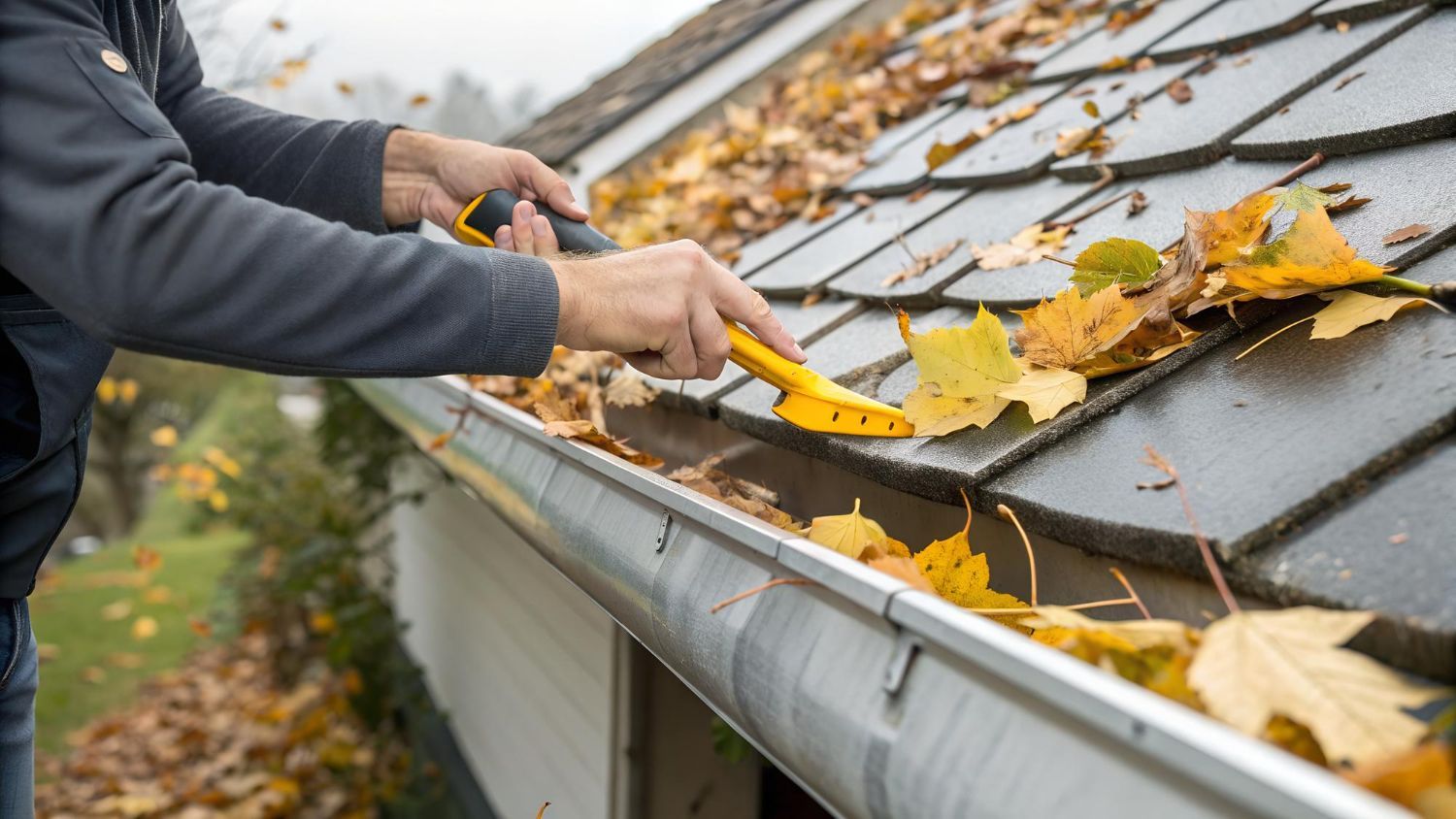
Ongoing maintenance is what keeps that system performing. During seasonal visits, we clear debris from drains, refresh joint sand or polymeric sand where it has washed out, and make sure mulch or planting beds are not redirecting water onto the stone surface. This quiet work keeps water moving the way it was meant to.
In our Trailblazer approach to estate care, we often pair drainage systems with regenerative landscaping strategies, using soil-building techniques and deep-rooted plantings that help manage runoff and enhance the health of the land over time. This is where innovation meets longevity.
There are limits, though. No amount of surface care can completely protect a patio from truly extreme storm events, unexpected heavy vehicle loads on a pedestrian-rated terrace, or deep groundwater changes. Those situations sometimes call for deeper reengineering, not just cleaning and touch-ups.
Edge Restraints, Expansion Joints, and Seasonal Estate Care
If drainage is the unseen plumbing of a patio, edge restraints are its backbone. They hold stone in place against side pressure from freeze-thaw cycles, foot traffic, and small shifts in the soil. Without strong edges, pavers slowly start to "walk" outward, and that once-crisp border begins to ruffle and sag.
Expansion joints are just as important. Wherever stone meets a foundation, wall, step, or pool deck, those joints let materials move differently without cracking against each other. Instead of random fractures and spalling, you get tiny, controlled movement where it is safe.
During professional inspections, we look for:
- Pavers near the perimeter that look slightly lifted or pushed outward
- Joint material that has gone brittle, separated, or washed away
- Hairline cracks that repeat in a pattern, hinting at stress points
- Edges where soil has washed out, leaving air pockets under stone
With a curated maintenance program, we can reinforce edges, renew joint materials, and reset select stones long before a cosmetic issue becomes structural. Over many years, roots, constant expansion and contraction, and sheer time can still call for selective resetting or partial rebuilds. The difference is that you are fine-tuning a long-lasting feature, not facing a full replacement years too soon.
Seasonal care keeps this structure in sync with New England weather. Late summer is an ideal time to tune a patio, after spring downpours and peak entertaining but before the first hard freezes. We pay special attention to:
- Small settling or dips that might hold water once ice arrives
- Joint sand levels after a season of storms and sweeping
- Drains and channels tested by summer thunderstorms
- Roots or shrubs that are starting to direct water onto stone
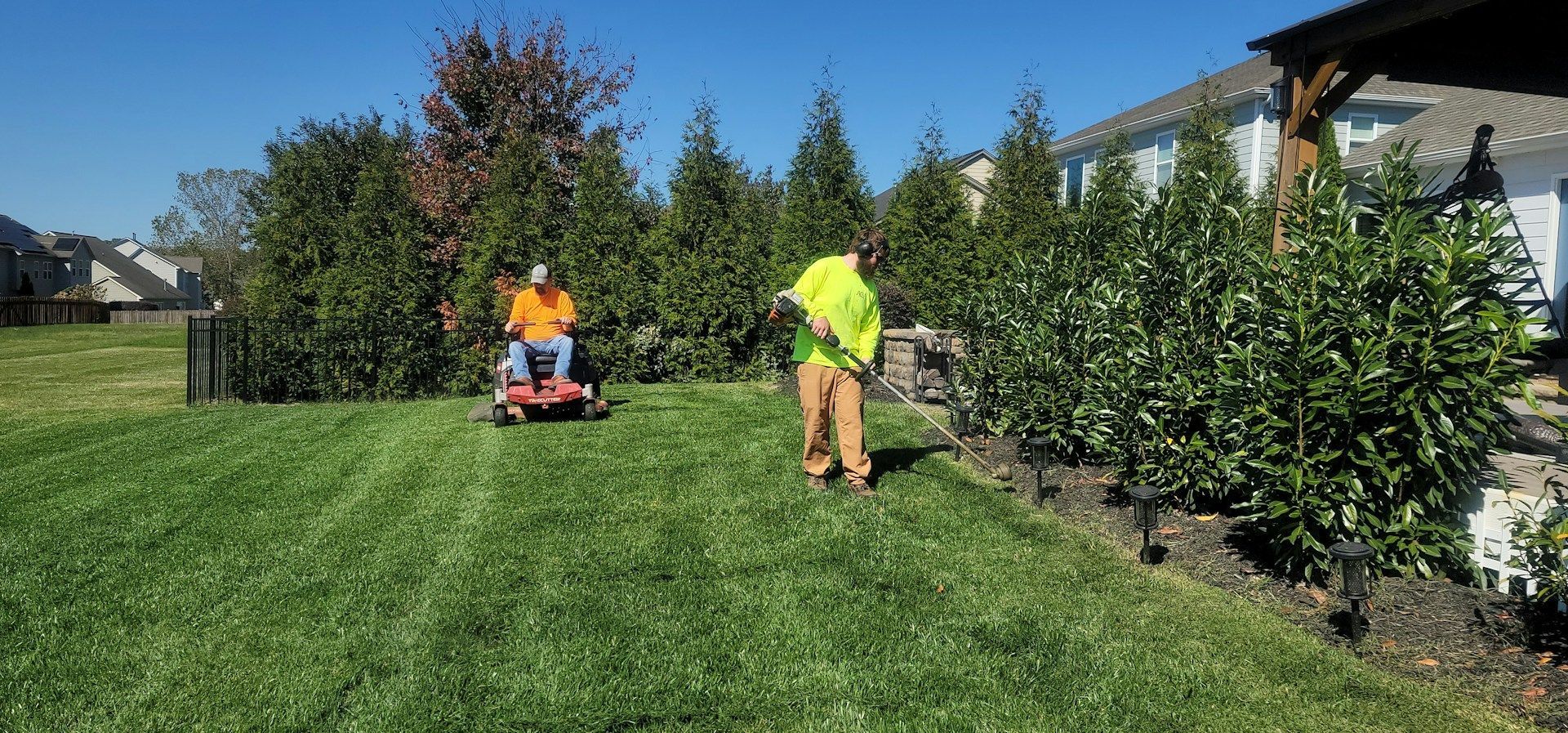
As the year turns, our focus shifts from masterpiece gardens and lush borders to commercial snow management and winter protection for estates. Pre-snow checks on patios help guide snow-blower paths and plow routes so edges do not get clipped. We also talk through de-icing options that are kinder to natural stone and joint materials. Careful winter work limits chipping, edge blowouts, and abrasion, though slow wear from freeze-thaw cycles and ice over many seasons is still part of the natural aging story.
Our commercial snow management programs, shaped by the same 4-step process of Consultation, Meeting, Proposal, and Execution, are designed to protect both safety and design integrity, keeping your hardscapes as refined in February as they are in June.
What Maintenance Can and Cannot Prevent
A curated longevity plan sets clear expectations. Maintenance softens and slows down the impact of time, but it does not promise a patio that never moves, never fades, and never needs thoughtful renewal.
With steady care, we can usually prevent or greatly reduce:
- Regular standing water on the surface
- Sudden trip edges from early heaving or settling
- Premature failure of joint materials
- Algae and grime that make stone slick or dull
- Early, avoidable staining or lingering efflorescence
Over a longer horizon, some changes are simply natural. Sun and rain mellow the color of stone, soils can micro-settle in certain areas, and rare historic weather events can leave their mark. The difference with an estate-grade partner is that these changes are watched, managed, and addressed in phases.
At J. Rodman Home Improvement and Landscape, ranked Top 3 in Hartford County, we treat patios as estate assets that deserve ongoing care. Through our premier 4-step process and our Trailblazer focus on innovation, from smart, app-controlled lighting systems to regenerative, water-wise garden designs, we curate outdoor environments that evolve with your home. Instead of crisis repairs, you get calm, planned updates that keep the terrace welcoming for the next generation, with the same quiet, enduring grace it had on day one.
Get Started With Your Project Today
If you are ready to protect your yard investment and keep it looking its best year-round, our experts are here to help with tailored
landscape maintenance plans. At J. Rodman Home Improvement And Landscape, we focus on practical, long-term solutions that fit your property and schedule. Tell us what you need, and we will recommend a service plan that makes sense for your home. Reach out today and
contact us to schedule a consultation.