Maintenance-to-Design Handoff: Turning Design Intent Into a Maintenance Playbook
Preserve the Vision: Why the Handoff Matters
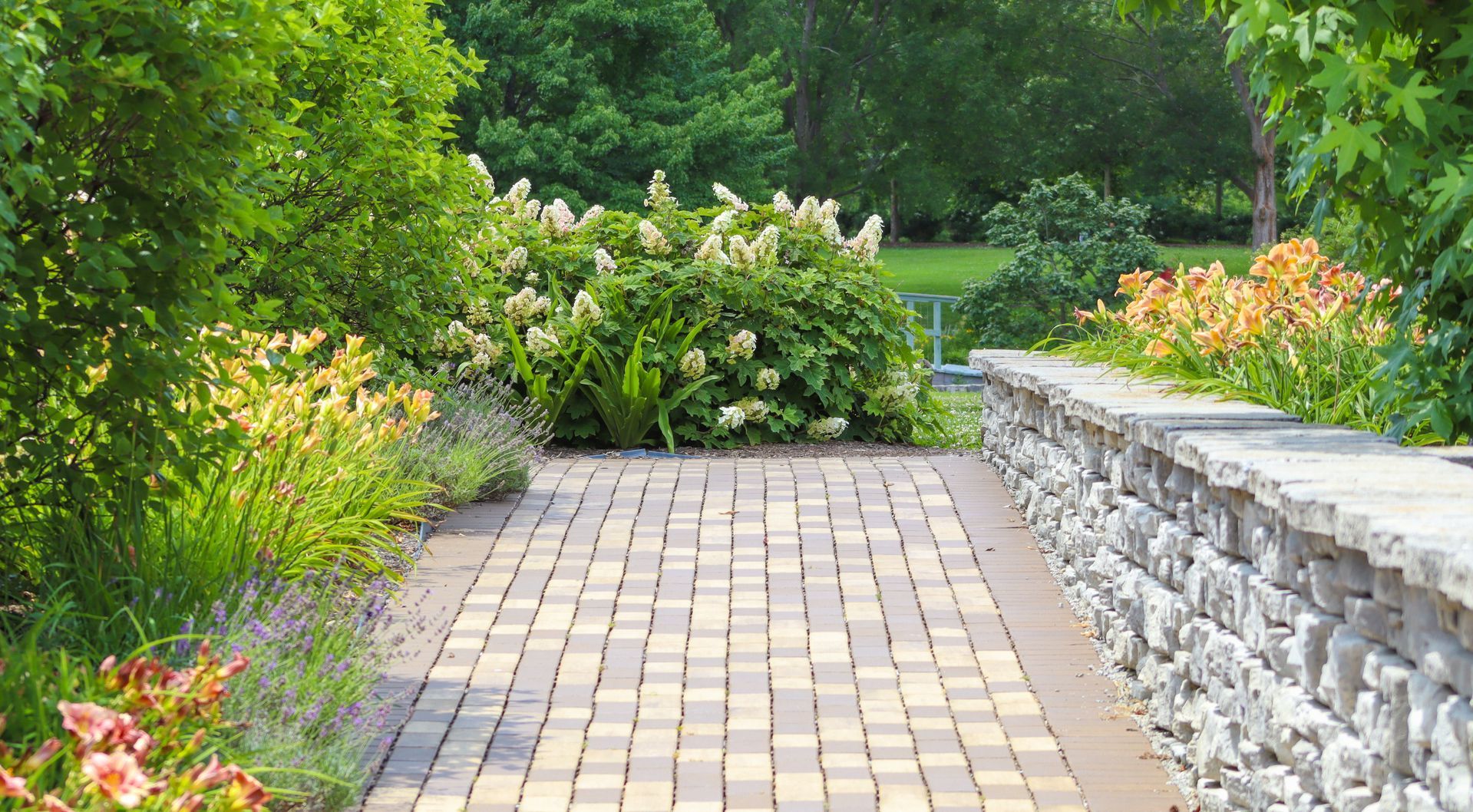
A finished outdoor space should feel intentional in every direction you look. On a cool late September evening in Hartford County, the air is crisp, the trees are starting to glow with warm color, and the soft light along a stone walk pulls your eye toward the front door. The house, the gardens, the walls, and the paths feel like one thought. That feeling does not happen by accident, and it does not stay on its own.
Behind every masterpiece garden and estate-level outdoor space is something we call design intent. In simple terms, it is the big idea of the property. It includes where your eye should travel, how tall plants should be, how colors shift from spring through fall, how stone and planting wrap the architecture, and where light should pool at night. When everyday landscape maintenance is not tied to that intent, the space slowly loses its shape. Hedges creep taller, views disappear, stone joints open, and the property begins to feel like a patchwork yard instead of a curated estate.
A proper maintenance-to-design handoff protects your investment. It gives your maintenance team a clear playbook, so they know exactly what to keep, what to refine, and what never to disturb. At J. Rodman Home Improvement and Landscape, Ranked Top 3 in Hartford County, we specialize in guiding that handoff so the outdoor space you fell in love with continues to mature with grace, year after year.
From Master Plan to Maintenance Map
A professional landscape architecture plan is more than pretty drawings. Once the last stone is set and the last plant goes into the soil, that plan becomes a working map for the crews who will care for it.
A strong maintenance map will clearly show:
- Labeled garden beds and lawn areas
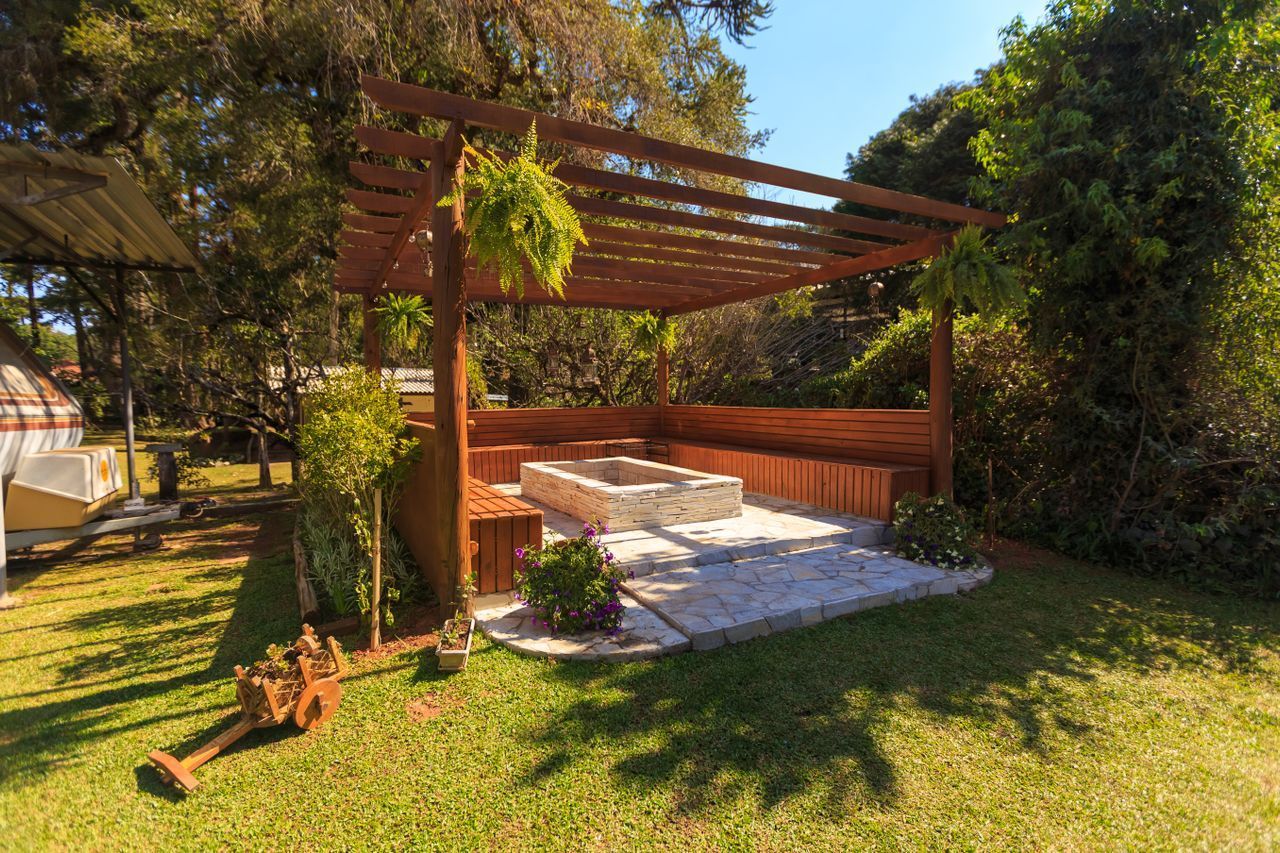
- Hardscape zones such as patios, steps, retaining walls, and drive courts
- Lighting runs and transformer locations
- Irrigation zones and main lines
- Drainage points and swales
- Snow storage zones for winter storms
For long-term care, the plan set should capture the details that keep an estate-level property in balance. That includes plant locations and counts, hardscape materials and joint types, edge details between lawn and bed, elevations on slopes, and where water needs to move during heavy rain or snowmelt. When these details are documented from the start, maintenance crews are not guessing. They work with intention.
Our 4-step professional process is designed to support that handoff:
- Consultation: We listen to how you live, how you entertain, and how you want the space to feel in every season.
- Meeting: We walk the property with you, noting preferences, sensitivities, and long-term goals.
- Proposal: We clarify the scope, including tolerances for heights, widths, and finishes, so expectations are written, not assumed.
- Execution: We build the project and then organize the information into a maintenance-ready package that your ongoing team can follow.
A late September handoff is especially powerful. It lines up with fall cleanups, winter preparation, irrigation blowouts, and commercial snow management planning for larger drives and parking courts. That timing means the first full year of care starts from a clear, shared understanding of the design intent.
Photos, Palettes, and Tolerances: The Designer’s Language
Plans are one part of the story. Photos and plant information fill in the rest. We treat curated photo sets as a visual dictionary for maintenance teams.
We typically include:
- Wide shots that show overall structure and sightlines
- Close-ups of key bed edges, stone transitions, and feature plantings
- Night views that reveal how integrated lighting should wash walls, steps, and canopies
Plant palettes are also more than a list of names. A good palette will note bloom times, fragrance notes, fall color, mature size, and how textures should play off each other. It will also note which plantings are chosen for regenerative purposes, such as soil-building roots, and which are water-wise, needing less input over time. When crews understand why certain plants are where they are, they are less likely to over-prune or replace them with the wrong thing.
Tolerances may sound technical, but they keep a property looking intentional. In homeowner terms, tolerances cover:
- Hedge heights within a set range, not “as tall as the trimmer reaches”
- Lawn height that supports deep roots, not scalp-and-burn mowing
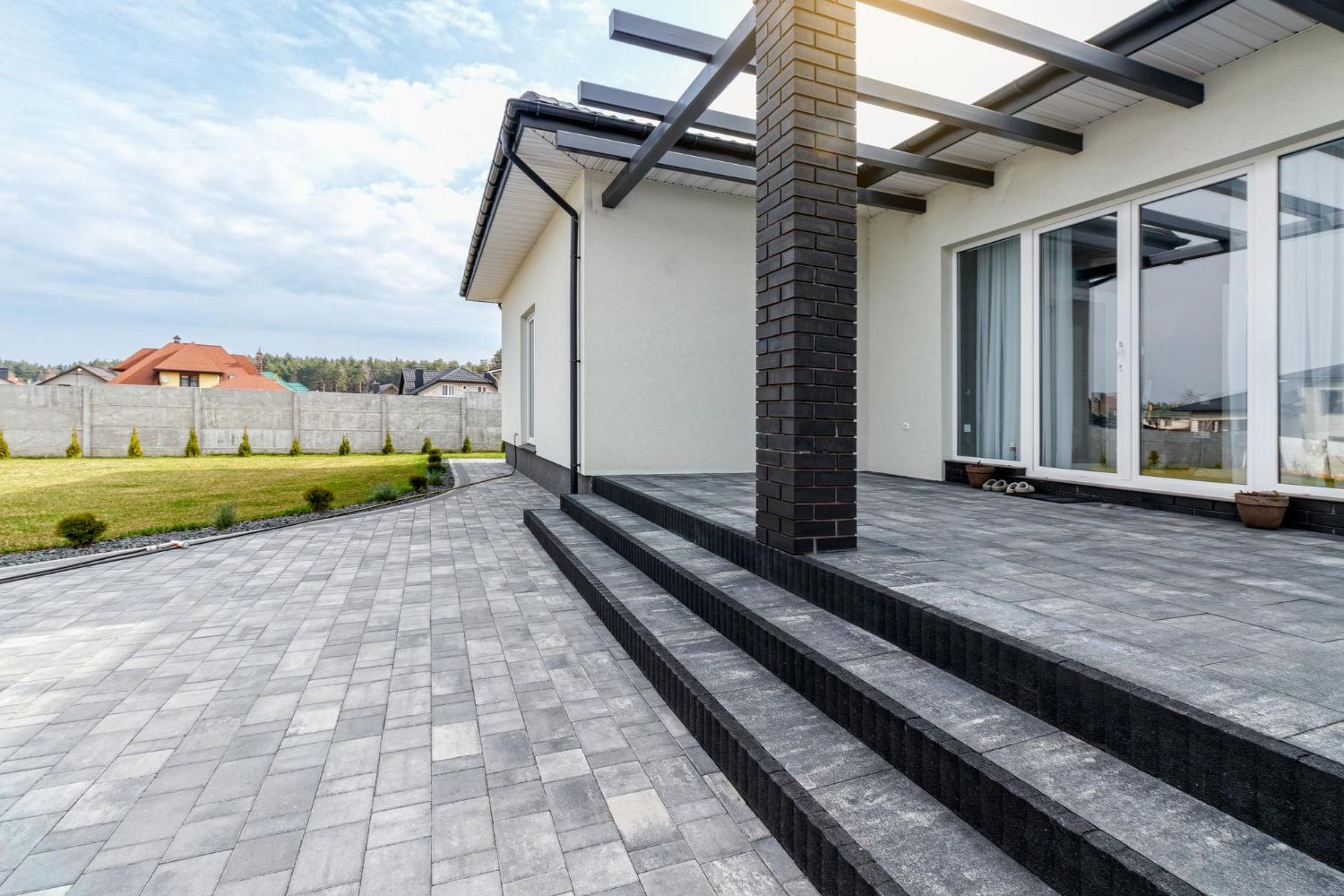
- Consistent spacing between pavers and clean, filled joints
- Mulch depth that protects roots without burying trunks
- Pruning limits on feature trees and shrubs
- Safe distances for snow piles from stone walls and delicate plantings
This is the language designers use. At J. Rodman Home Improvement and Landscape, we translate it into a clear, simple maintenance playbook that keeps custom hardscapes tight and true, and layered gardens full but ordered.
Turning Design Intent Into a Maintenance Playbook
Once intent, photos, palettes, and tolerances are defined, they must be turned into something crews can follow every week. That is where a professional landscape maintenance playbook comes in.
A strong playbook usually includes:
- Seasonal task lists: spring refresh, summer finesse, fall preparation, winter protection
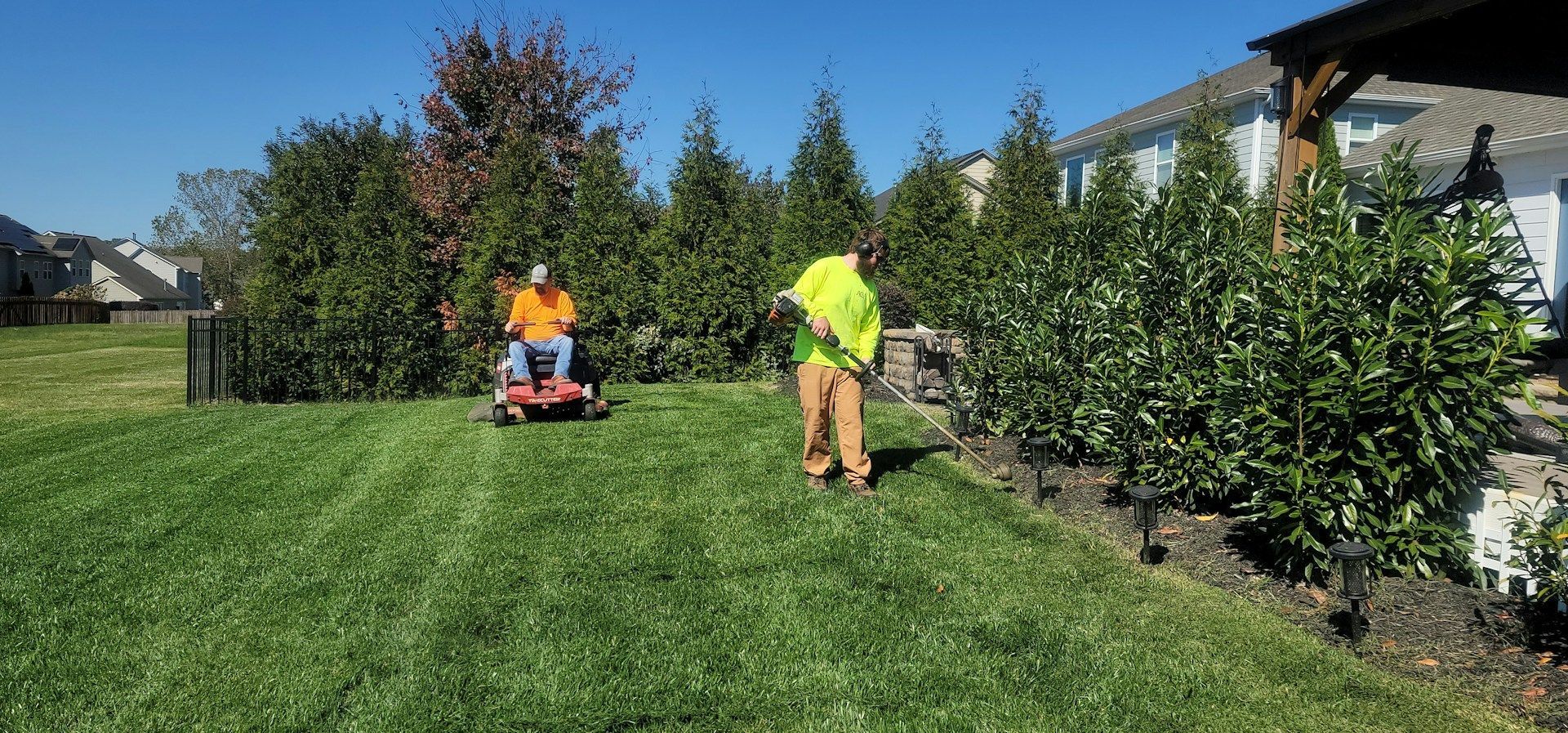
- Visit frequency estimates for mowing, pruning, bed care, and monitoring
- Specific standards for each zone of the property, from front arrival to service areas
Smart tools are part of this picture. Many of the properties we curate include:
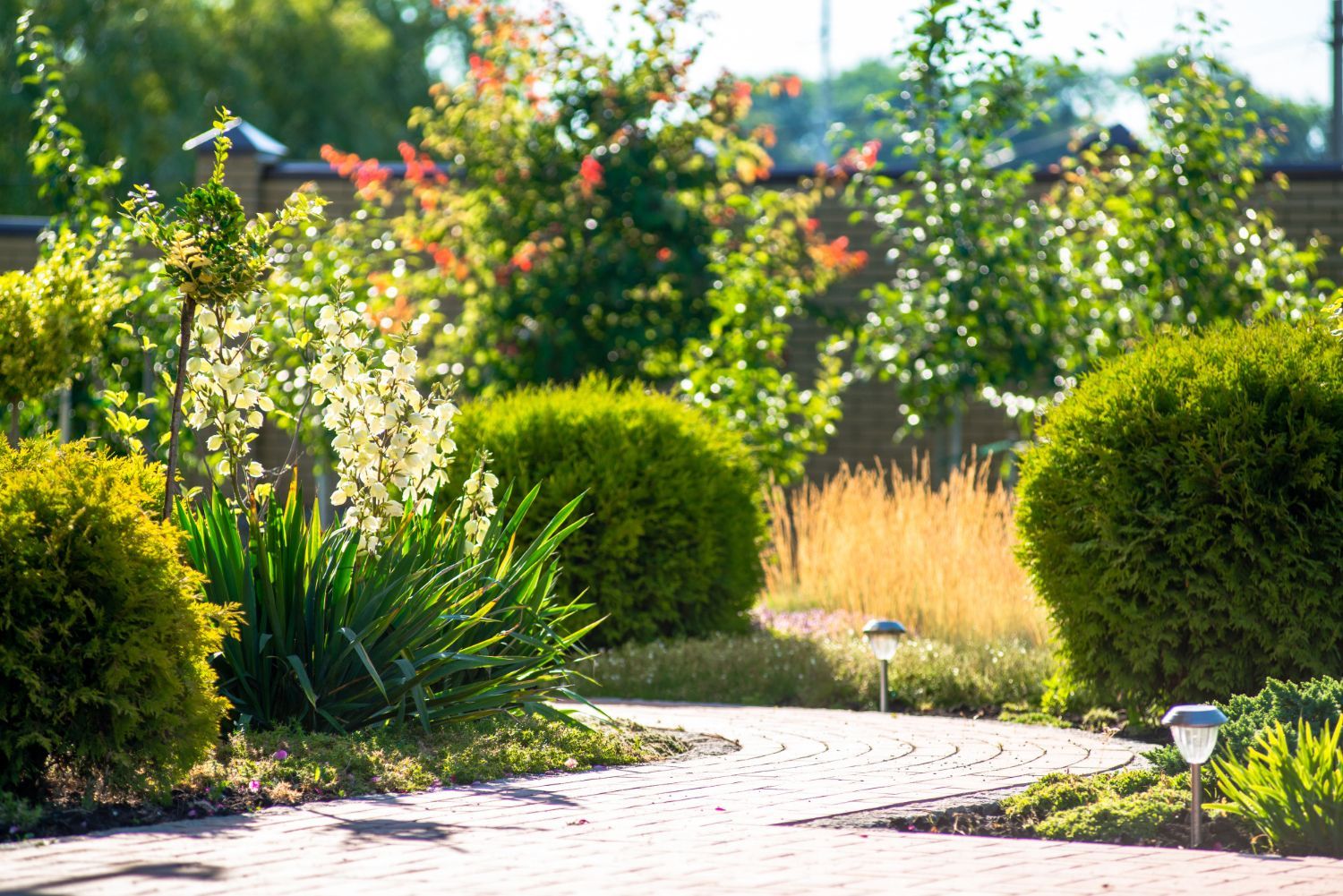
- Smart app lighting systems with programmed scenes for evening, events, and security
- Irrigation controllers tuned to different plant zones and soil conditions
- Checklists for checking drainage, downspouts, and freeze-thaw wear on stonework before snow season
Quality assurance checkpoints complete the playbook. These are planned times when the maintenance team and the owner walk the property, review photos, and confirm that key details are holding: clean joints in stone, crisp bed lines, balanced plant growth, and lighting angles that still flatter the architecture as foliage changes. Photo-based before-and-after documentation helps everyone see what is working.
For commercial properties, a playbook also sets clear snow management routes. That means plows and snow blowers protect plantings, avoid pushing ice against stone edges, and keep lighting fixtures visible and safe. Entry sequences stay elegant and aligned with the building’s architecture, even during storms.
Seasonal Stewardship of an Estate-Level Property
A curated estate is never “done.” It is stewarded through the seasons, always returning to the original design intent.
In spring, we focus on structure and new growth. Selective pruning keeps silhouettes clean, not chopped. Beds are refreshed, soil is checked, and regenerative practices, such as composting and soil health checks, set the tone for the growing season.
Summer care is about fullness with control. Deadheading keeps blooms coming, foliage is thinned where it blocks views or lighting, and irrigation and mulch strategies keep water use thoughtful. Smart-app lighting scenes may be adjusted as canopies thicken and garden rooms feel more enclosed.
As autumn settles in, color and clarity take center stage. We refine edges, check stone and joint integrity before freeze-thaw cycles, and shift lighting angles as leaves drop and branches reveal more of the house. Drip lines and irrigation are tuned down or shut off, and sensitive plants are protected.
Winter is not an off-season for an estate-level property. It is the quiet phase of structure and order. Expert snow and ice management protects stonework, plantings, and drainage while keeping walks and drives safe. Lighting becomes even more important, tracing paths and architectural lines when foliage is bare and nights are long.
Trailblazer trends fit naturally into this year-round care: regenerative gardening that feeds the soil, water-wise management that respects changing weather, and app-based control that lets outdoor lighting respond to the season and to how you actually live. At J. Rodman Home Improvement and Landscape, Ranked Top 3 in Hartford County, we treat every maintenance visit as part of estate curation, not routine yard work.
Secure Your Estate’s Future with a Designer-LED Handoff
For homeowners and property managers, the most important step is asking for a formal maintenance-to-design handoff, not just a roll of drawings and a box of plant tags. A truly protective package includes complete plans, annotated photos, clear tolerances, a defined plant palette, and a written quality assurance schedule that ties everyday tasks to long-term beauty, including winter and commercial snow management needs.
When design intent is captured and translated into a playbook, the outdoor space can age with grace. Years from now, the stone will still feel solid under your feet, the lighting will still trace the architecture at dusk, and the gardens will still read as a single, composed thought. That is the power of a designer-led handoff, and it is at the heart of how we approach every estate-level property we are trusted to curate.
Get Started With Your Project Today
If you are ready to keep your yard looking its best in every season, our team is here to help with customized
landscape maintenance plans. At J. Rodman Home Improvement And Landscape, we focus on practical solutions that fit your property, your schedule, and your budget. Tell us what you need, and we will recommend a service plan that keeps your outdoor spaces healthy and attractive. To schedule a consultation or ask questions, simply
contact us today.