Softscape Spec Sheet for Modern Hardscapes: Plants, Soil, Roots, Irrigation
Design-Grade Softscapes for Modern Estate Hardscapes
High-end patios, pools, and walkways are only half the story. The stone, wood, and steel set the structure, but the softscape is what brings it to life, turning a hardscape into a true outdoor room that feels connected, calm, and lived in, an architectural extension of your home itself.
A detailed softscape spec sheet gives that living layer the same level of care as the landscape architecture. It spells out plant choices, soil volumes, root controls, and irrigation details so your investment performs not just this season, but for decades. Without that level of planning, even the best-built terrace can end up battling failing plants, drainage problems, or cracked surfaces.
At J. Rodman Home Improvement and Landscape, ranked top 3 in Hartford County, we treat softscapes as a design discipline, not an afterthought. Our premier design work pairs estate-level hardscapes with curated planting and maintenance so the entire property feels architecturally tied to the home, from the front entry to the far edge of the grounds. Hardscapes and softscapes are composed as one unified framework, each curated as part of an estate-level outdoor masterpiece.
Curating Plant Palettes That Elevate Modern Hardscapes
Softscape services go far beyond lining a walkway with a few shrubs. A modern estate garden calls for a layered plant palette that feels intentional and structured against stone, wood, and steel.
We design with architectural roles in mind:
- Trees that frame views, shade patios, and anchor corners
- Structural evergreens that hold the composition through winter
- Perennials with long bloom windows and strong textures
- Groundcovers that knit edges and soften steps and walls
Current trends for 2026 favor regenerative landscaping. That means more native and pollinator-supporting plants, low-allergen selections for sensitive families, and water-wise garden designs that still feel lush around bluestone or porcelain pavers. Around modern steel edging or clean-lined retaining walls, grasses and perennials with fine textures keep the space from feeling cold or sterile.
A well-curated palette is about the sensory experience as much as the plant list. We think about:
- The way ornamental grasses move and whisper against a retaining wall
- Seasonal color that washes down an entry walk from early spring to late fall
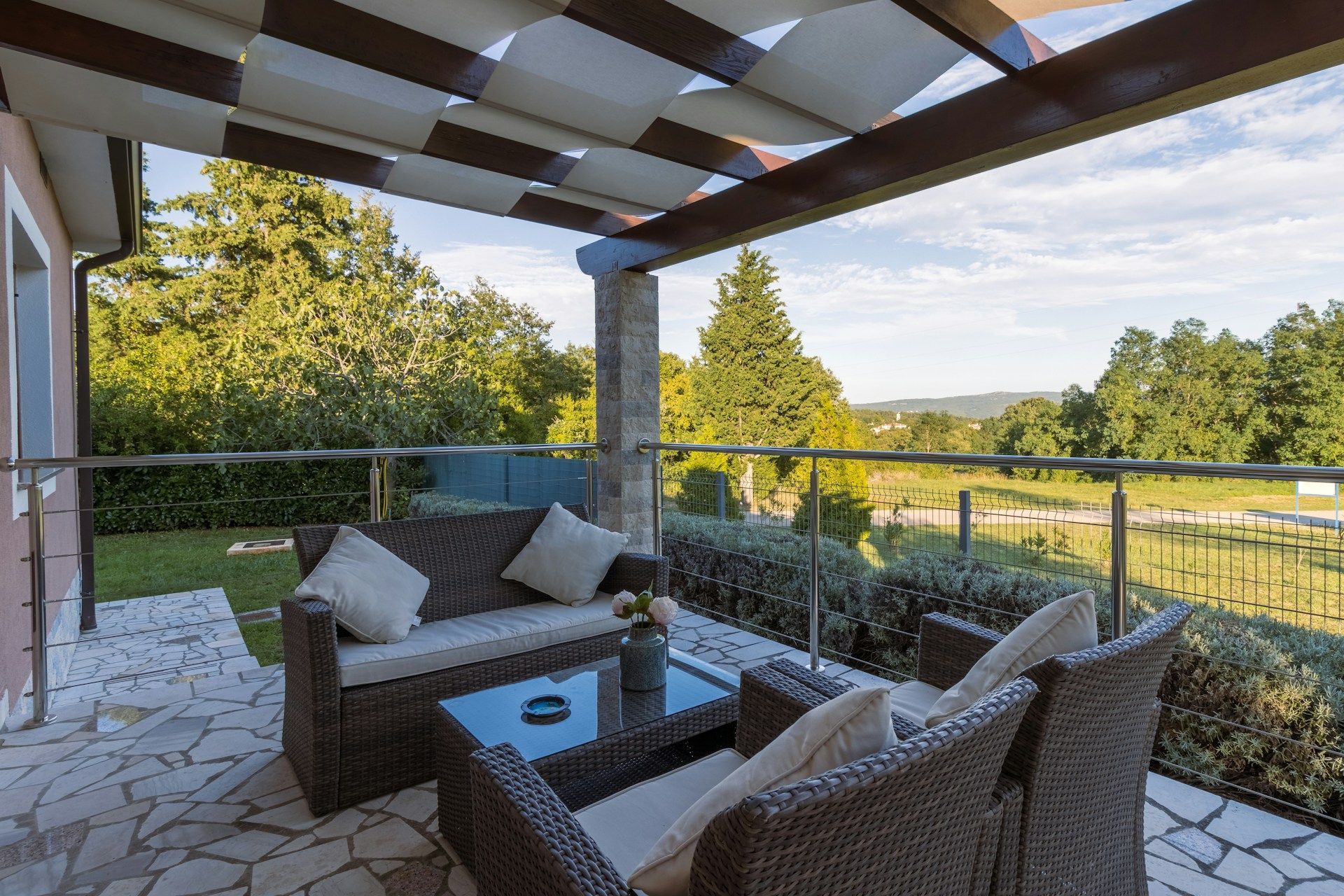
- Fragrant blooms near seating areas, softening stone and inviting people to linger
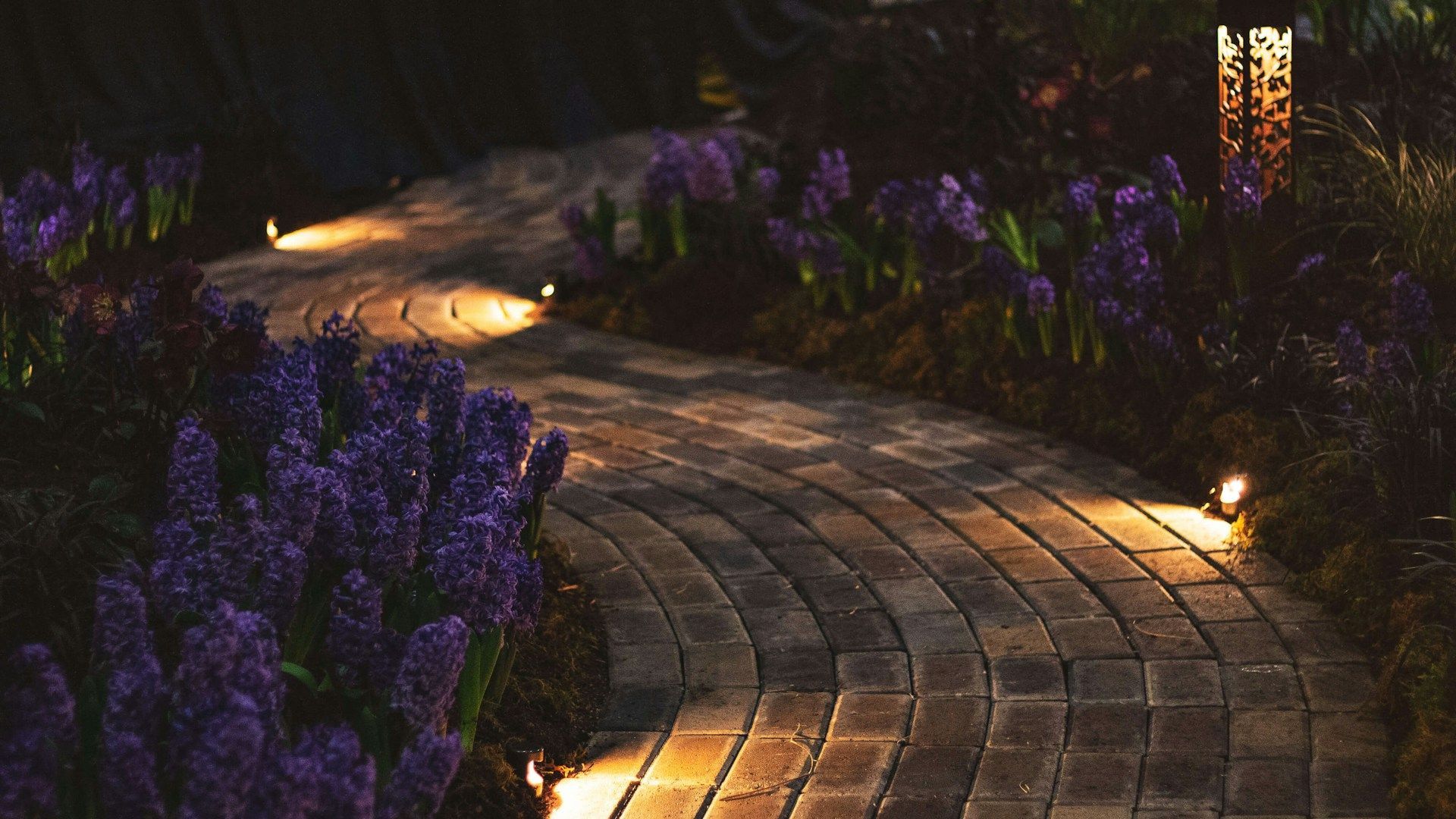
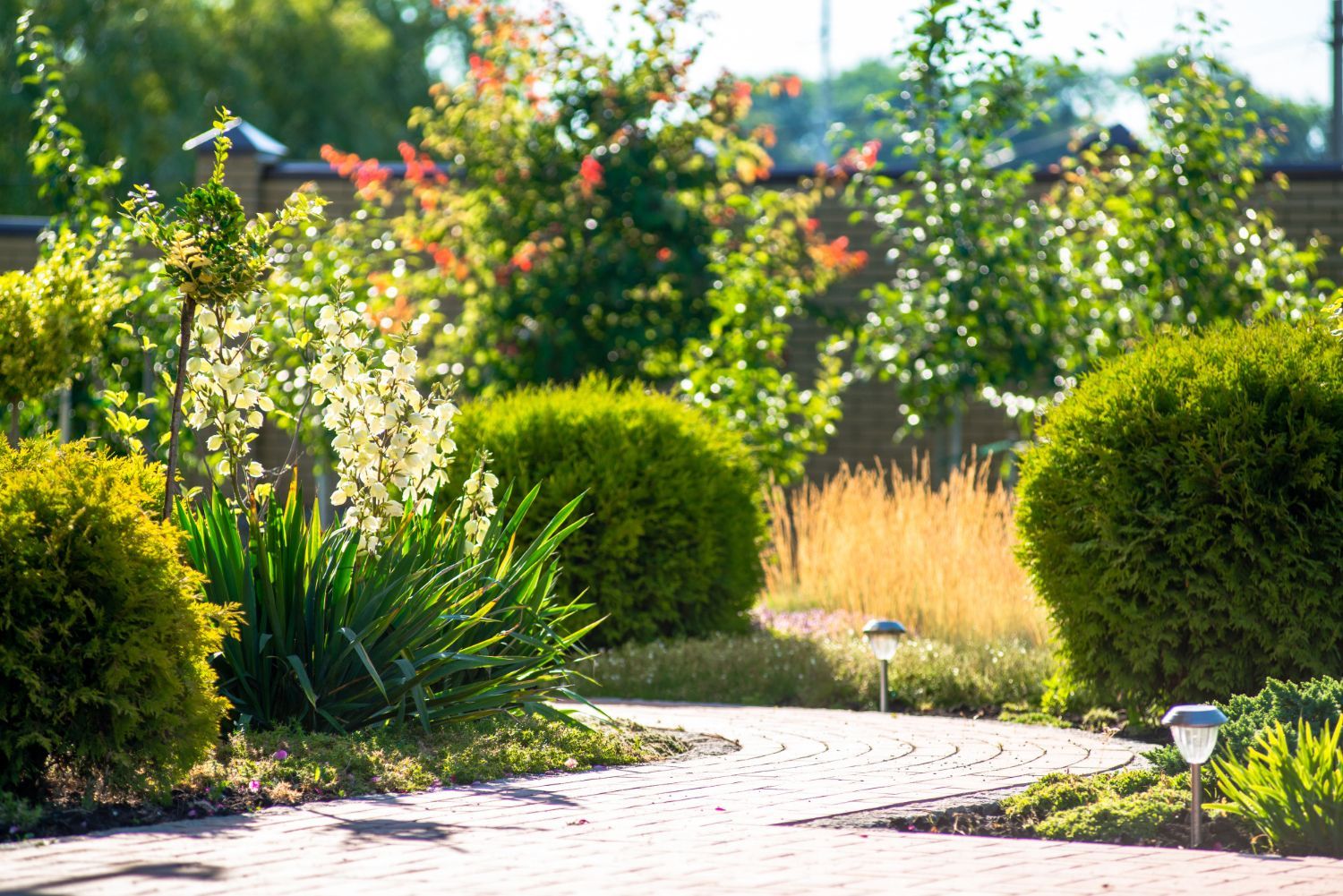
- The soft glow of integrated night lighting picking up foliage forms so the garden glows after dark
When hardscapes and softscapes are designed together, the result feels like an outdoor extension of the home, premier design that reads as one continuous piece of architecture, not a collection of separate parts.
Soil Volumes and Root Zones That Protect Your Investment
A plant can only perform as well as the soil and root zone below it. For long-term success, soil volume is just as important as the plant variety or the size you see on planting day.
For trees, planting pits often need to be 4 to 6 feet wide and 2 to 3 feet deep, sometimes larger in tight courtyards. Large shrubs deserve deep, wide beds instead of tiny pockets squeezed between pavers. In urban or suburban sites, continuous soil trenches under lawn or planting strips can link root zones so trees do not struggle in isolated holes.
We also separate native subsoil from engineered planting soil. Native subsoil on many Hartford County sites can be heavy, compacted, or poorly drained. Engineered planting soil is blended for:
- Better structure and drainage
- The right level of organic matter
- Resistance to compaction under foot traffic
- Stable performance through freeze-thaw cycles
A professional softscape spec sheet sets all this out in cubic yards and inches of depth. It defines where the native subsoil is scarified, where engineered soil is added, and how deep each layer runs under beds, lawn edges, and tree pits. This keeps patios from flooding at the first heavy rain and helps prevent heaving pavers when winter freeze hits.
With the right soil volumes and blends under your courtyard, driveway, or pool surround, plants root deeply, hardscapes stay stable, and the whole space ages gracefully over 10 to 20 years, curated like an estate, not maintained like a simple yard.
Root Barriers and Structural Safeguards Around Hardscapes
Roots are always on the move. Without planning, they can lift pavers, crack concrete, or push into foundations and utilities. Root barriers and structural safeguards keep the living and built parts of the property in balance.
We use root barriers along:
- Foundations and basement walls
- Walkways, seat walls, and steps
- Driveways and parking courts
- Utility corridors and drainage lines
Just as important is choosing the right species in the first place. We match tree and shrub choices to the space, so mature size, root behavior, and canopy spread work with the structure, not against it. A shade tree near a stone terrace should cool the surface and frame views while keeping its roots directed away from the base and slab.
Our design team coordinates root barriers with geotextiles, base preparation, and drainage details as one plan. That means the same crew thinking through gravel bases, compaction, plant locations, and root paths so your masterpiece gardens stay stable even as the trees reach their full height.
Intelligent Irrigation, Seasonal Performance, and Year-Round Planning
Water is another place where design-grade thinking protects both softscapes and hardscapes. Modern irrigation focuses on precision, not overspray.
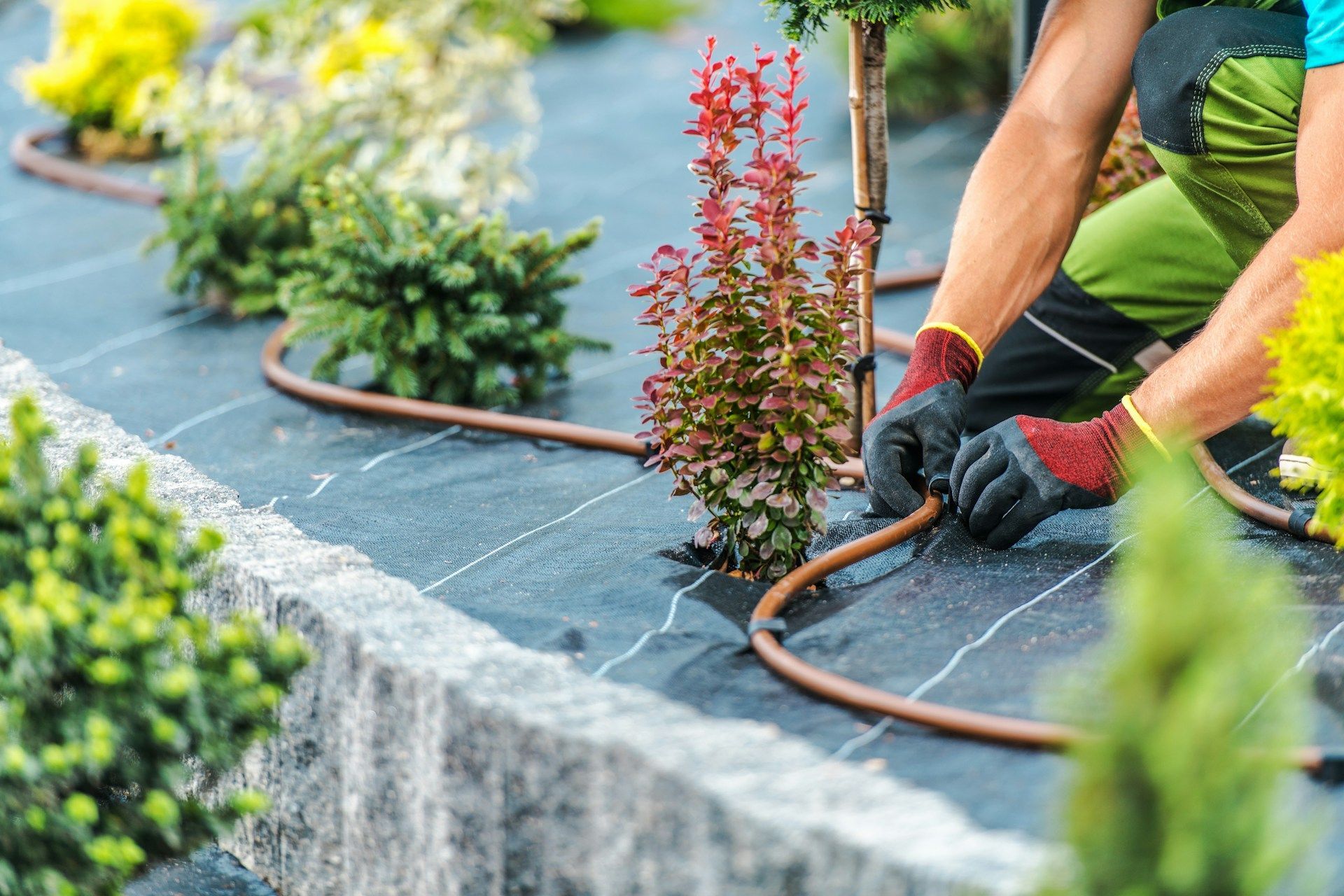
We plan systems around hydro-zoning, or grouping plants by their water needs. Deep-rooted trees and shrubs get slow, steady moisture, while lawns use efficient, low-precipitation sprays. Planting beds often receive drip lines, which:
- Deliver water directly to root zones
- Keep foliage dry to reduce disease
- Limit evaporation on hot summer days
- Avoid hard-water spotting on stone and metal
Current innovations for 2026 include smart controllers that tie into local Hartford County weather data, pausing watering during cool, wet weeks and adjusting run times in heat. Some systems even send alerts if a line breaks or a valve sticks. When paired with smart-app lighting systems, your irrigation and lighting can be tuned from the same device so the garden feels orchestrated at dusk, with the soft glow of integrated path lights guiding every step.
Freeze protection and winterization also belong on the spec sheet. Irrigation lines should be set below frost depth, with clear access points for blowout before a hard freeze. Thoughtful routing keeps main lines away from future snow storage zones so they are not damaged by piles of plowed snow.
That winter planning carries into the rest of the site. A well-specified softscape gives you:
- High-end gardens in spring and summer, with lush borders hugging stone steps and shaded dining terraces
- Strong evergreen structure that keeps outdoor rooms inviting into fall
- Clear snow routes along drives and walks once commercial snow management becomes the seasonal focus in late fall and winter
- Salt-tolerant plantings and protected beds along pavement edges
Sun angles, plow paths, snow storage zones, and sightlines all become part of one four-season estate plan. Your property is not just a summer showpiece; it works in January as well as July, with commercial snow management seamlessly integrated into the overall landscape architecture.
Elevate Your Estate with a Proven Four-Step Process
To create this level of long-term performance, we follow a clear four-step professional process.
It begins with a consultation, where we learn how you live, entertain, and move through your property. Next, a meeting on site lets us study grades, architecture, and existing conditions, from sun and shade to drainage and snow patterns.
From there, we prepare a proposal that includes detailed softscape spec sheets. These documents choreograph plant palettes, soil volumes, root barriers, irrigation, regenerative landscaping strategies, smart-app lighting systems, and even future commercial snow management into one coordinated landscape architecture plan, built to support your hardscapes over time.
Finally, execution is carried out by experienced crews who understand both stone and soil. Every trench, planting pit, and root barrier matches the design intent. As a firm ranked top 3 in Hartford County, J. Rodman Home Improvement and Landscape treats each property as an estate to be curated for the long term, with hardscapes and softscapes working together as architectural extensions of the home, a single outdoor masterpiece defined by premier design and lasting performance.
Get Started With Your Project Today
Transform your outdoor space into a lush, welcoming extension of your home with our personalized approach to design and plant selection. Explore our
softscape services to see how J. Rodman Home Improvement And Landscape can create a landscape that fits your property, lifestyle, and budget. When you are ready to move forward or have questions about your ideas,
contact us and we will help you plan the next steps.