Outdoor Walkways That Survive New England Winters and Mud Season
Walkways That Work All Year in New England
A walkway in New England has a tough job. It has to handle ice, heavy snow, salt, slush, then weeks of thick mud and standing water. When a walkway is poorly planned, it turns into a slippery mess in winter and a muddy path in spring, and all of that grime ends up inside your home.
A smart, well-built walkway does the opposite. It gives you steady footing, keeps shoes cleaner, and makes your entrance look cared for even on the worst weather days. It is not just about looks; it is about safety, comfort, and how you move through your yard every day of the year.
At J. Rodman Home Improvement And Landscape, we design, build, and maintain custom walkways and outdoor spaces for homeowners in and around Unionville, Connecticut. We work in real New England conditions, so we see what holds up and what fails. In this article, we will walk through the kinds of materials, designs, drainage, and maintenance habits that help your walkways survive winter and mud season for the long term.
Why New England Winters Destroy Weak Walkways
Cold weather here is not gentle. Temperatures go up and down, sometimes in the same day. That constant freeze and thaw is rough on anything outside, especially walkways.
Here is what happens in winter and early spring:
- Water gets into tiny cracks and joints, then freezes and expands
- That expansion pushes concrete, stone, and pavers apart, slowly breaking them down
- As it repeats over and over, small cracks grow into big problems
On top of that, regular snow care is hard on surfaces. Shovels scrape, snow blowers vibrate, and plows push heavy snow and ice right up against edges. Sand and salt add more wear. They can:
- Grind away at the surface, making it smoother and more slippery over time
- Loosen joints between pavers
- Stain or pit certain types of concrete or stone
Then comes mud season. Soils stay soaked, frost in the ground melts unevenly, and areas with poor drainage stay squishy for weeks. When the base under a walkway is not prepared well, you may see:
- Heaving, where parts of the walkway rise up
- Sinking spots that collect puddles
- Edges that crumble or tilt outward
- Slippery patches coated with wet silt and mud
Homeowners around Unionville often point out tripping spots that appeared late in winter, puddles that always freeze in the same place, or steps that feel like they are pulling away from the house. All of that usually traces back to how the walkway was built and how it handles water and movement in the soil.
Choosing Walkway Materials That Can Take a Beating
Not every material is a good match for New England weather. Some hold up better to salt, shovels, and freeze-thaw cycles than others.
Common walkway options include:
- Natural stone, such as bluestone or granite, which can be very durable if the stone is dense and not prone to flaking
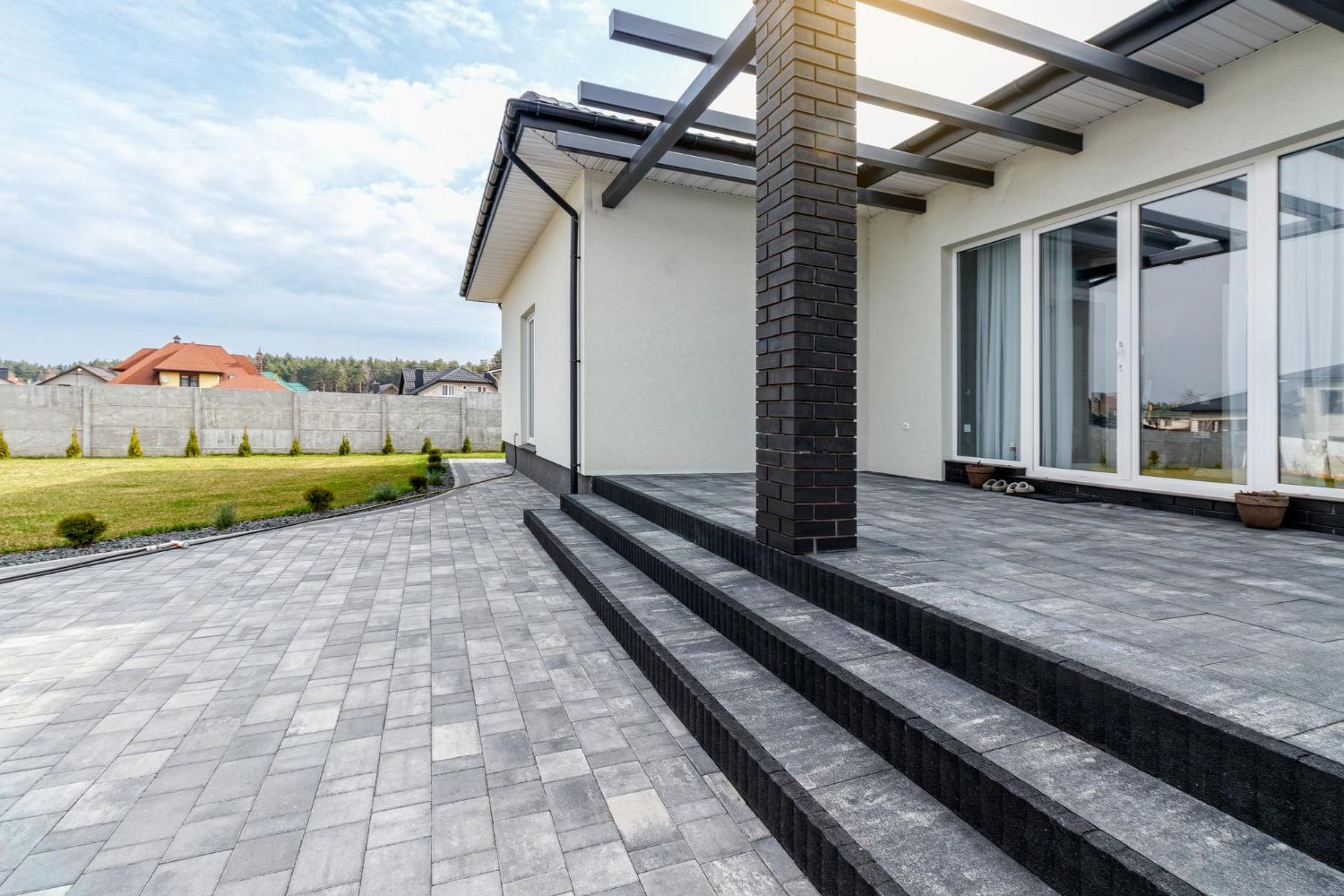
- Concrete pavers, which are strong, consistent in size, and easier to reset if movement happens
- Poured concrete, which can work well if it is high-strength and poured on a proper base, but larger slabs can crack over time
- Gravel, which drains well but shifts underfoot and can be tough for snow removal
For our climate, we usually recommend:
- Textured, non-slip surfaces that give good grip when wet or icy
- Thicker pavers or stone pieces that are less likely to crack or rock
- High-strength concrete mixes for any poured sections
- Stone types that resist spalling, which is when the surface chips or flakes off
One of the most important parts of a sturdy walkway is the base, not what you see on top. A professional installation usually includes:
- Excavation to the proper depth, often deeper than people expect
- Layers of compacted crushed stone to create a firm, draining base
- Geotextile fabric under the base in some soils to separate dirt from stone and control movement
At J. Rodman Home Improvement And Landscape, we help homeowners sort through these choices. We match materials to your yard conditions, your style, and how much upkeep you are comfortable with, while still focusing on how the walkway will stand up to winter abuse year after year.
Smart Walkway Design for Snow, Ice, and Mud
Good materials can still fail if the layout and grading are not planned for real weather. A walkway that makes sense in summer might feel unsafe once it is icy and dark at 5 p.m.
Layout details that help in winter include:
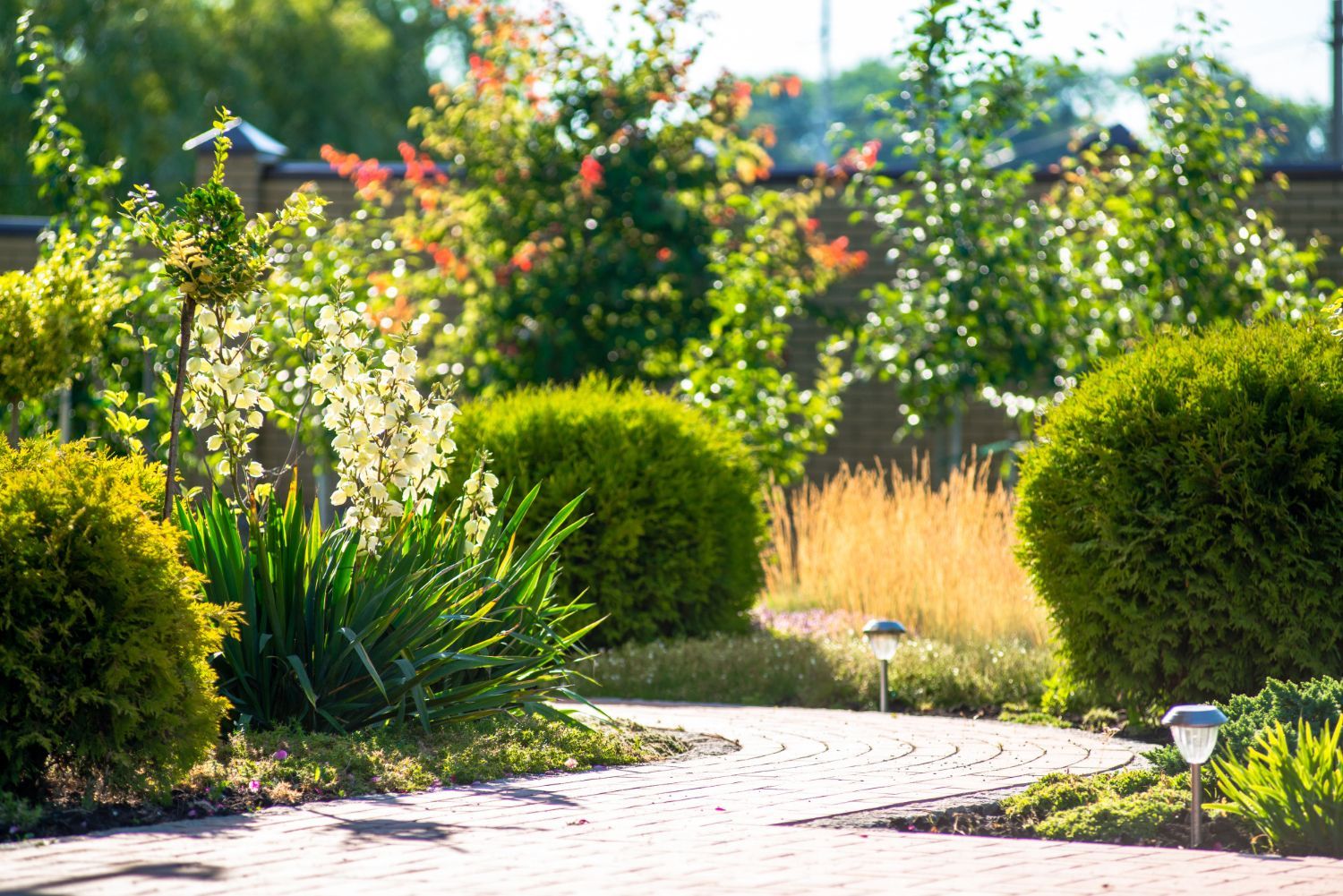
- Gentle curves instead of sharp turns, so you are not twisting your foot on slick spots
- Direct, efficient routes from driveway to doors, so you are not cutting corners through snow and mud
- Avoiding steep slopes that become scary when icy
Proper pitch and drainage are just as important. The surface should be slightly sloped so water runs off instead of pooling and freezing. We also look at:
- How nearby soil is graded so water flows away from the walkway and your foundation
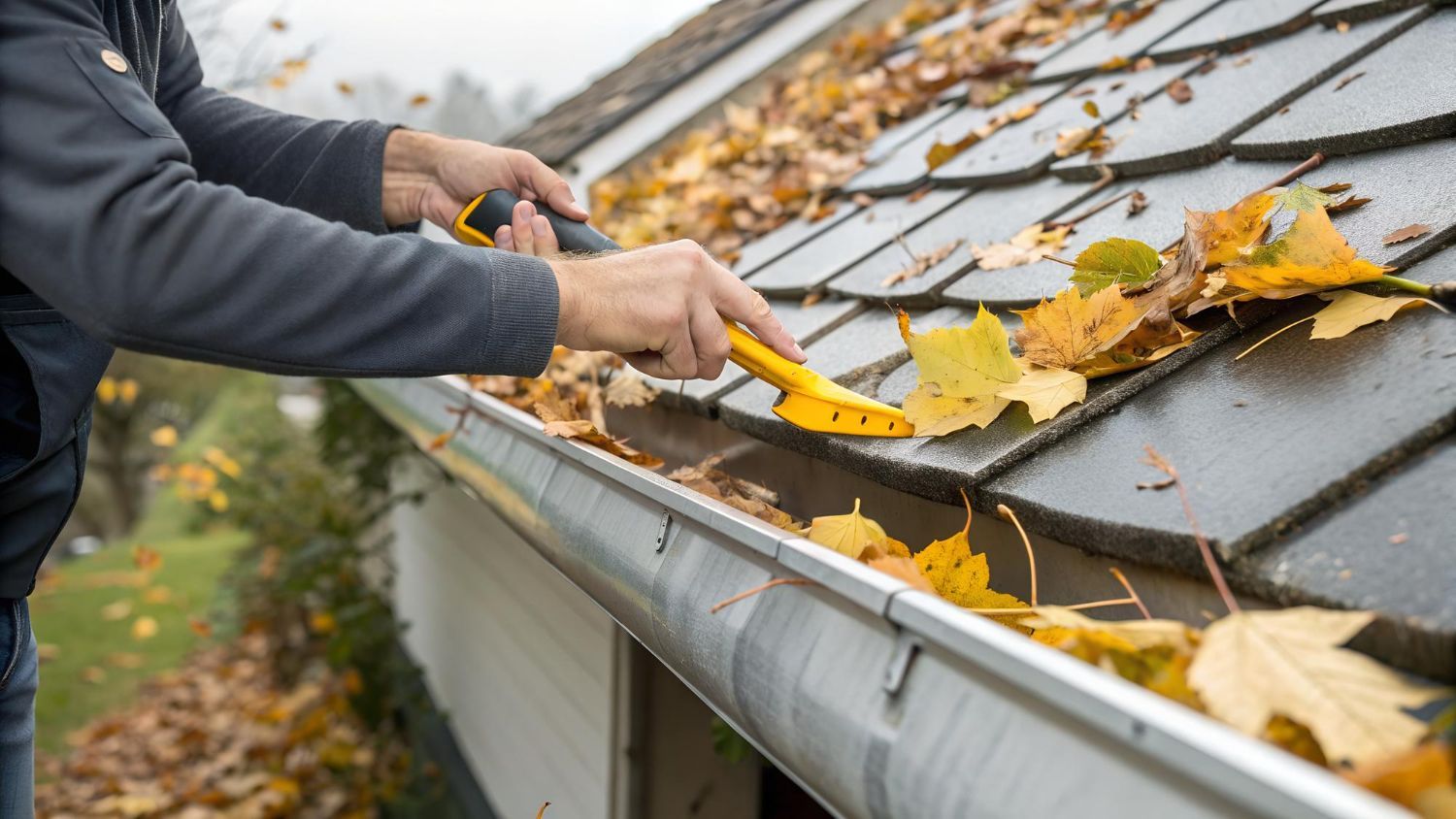
- Where gutters discharge, so downspouts do not dump water onto paths
- Low spots in the yard that might send runoff across your main walk
Cold-climate design upgrades can make life easier when the snow arrives:
- Wider walkways, so shovels and snow blowers fit comfortably
- Small landing areas by doors, giving space to stop, turn, or put down bags safely
- Strong edging that holds pavers in place even when snow is piled along the sides
Safety details matter too. Low-voltage lighting can mark key edges and steps on dark winter evenings. Handrails by stairs or steeper sections give an extra level of comfort. Plantings, fences, and other hardscape features can be placed to slow wind and help keep drifts from burying your main path.
Keeping Walkways Safe Through Winter and Mud Season
Even the best walkway needs care, especially through winter and spring. A few smart habits can help protect the work you invested in.
For snow removal, it helps to:
- Clear snow early before it gets packed into ice
- Use plastic shovels or shovels with a plastic edge on pavers or more delicate stone
- Set snow blower skids high enough so the machine does not scrape into the surface
When you need traction, think about both safety and surface damage. Some tips:
- Choose de-icers labeled as safer for concrete and stone when possible
- Use them sparingly, focusing on problem areas like steps and slopes
- Add sand or grit for extra bite, but plan to clean it up later so it does not clog joints or drains
After mud season, a simple spring check helps keep small issues from becoming big ones:
- Rinse off leftover salt, sand, and dirt
- Look for pavers that moved or settled and have them reset
- Watch for recurring puddles that hint at drainage problems
- Note any spots where edges are loosening or cracking
Ongoing maintenance plans, like the ones we offer through J. Rodman Home Improvement And Landscape, can keep walkways level, clean, and safe with less stress for you. Regular inspections, small repairs, and seasonal tune-ups help your walkway stay ready for whatever next winter brings.
Transform Your Walkways Before Next Winter Hits
The best time to think about winter performance is often when the weather is warmer. Walk your property and look at your current paths with a critical eye. Notice any puddles that always reappear, slick shady areas, crumbling edges, or uneven spots that catch your boot.
Planning upgrades in the growing season gives enough time to design, prepare the base, and let materials settle before freeze-thaw cycles return. That way your new or improved walkway is ready for snow, ice, and mud, instead of being tested before it has a chance to settle.
At J. Rodman Home Improvement And Landscape, we work with homeowners in Unionville and nearby towns to design walkways that fit the yard, soil conditions, and daily routines. Together we can choose materials, shapes, and drainage solutions that keep your family and guests safer and more comfortable in every season, while still giving your home the curb appeal you want.
Get Started With Your Project Today
Transform the look and function of your outdoor space with custom-designed walkways that fit your home and lifestyle. At J. Rodman Home Improvement And Landscape, we work with you to plan every detail so your paths feel natural, safe, and inviting. Tell us about your ideas and goals, and we will help you choose materials, layout, and finishes that make sense for your property. Ready to move forward with your project? Simply contact us to schedule a consultation.