Everyday Landscape Maintenance Habits That Protect Your Investment
Simple Daily Habits That Keep Your Yard Beautiful
A great yard is not just about a big project or a new patio. The real power is in the small things you do over and over. Those simple habits are what keep your grass green, your plants happy, and your walkways safe year after year.
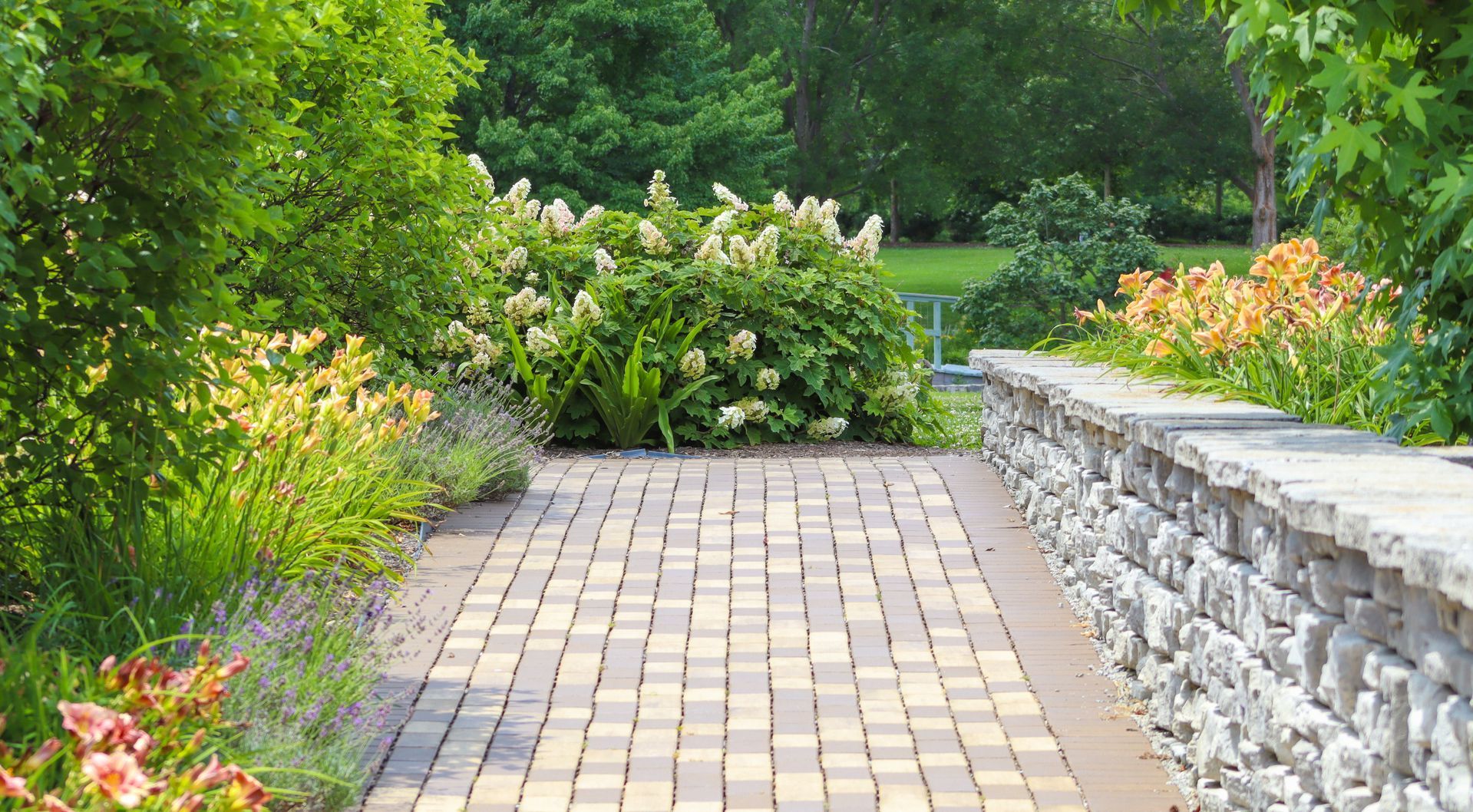
When you care for your outdoor space a little at a time, you help avoid bigger problems later. Regular landscape maintenance can prevent damage to hardscapes, keep plants from failing, and protect the curb appeal you worked so hard to create. As late winter turns to early spring in Hartford County, it is the perfect moment to reset your routine before growth really kicks in.
You do not need to be a gardening expert to keep your yard in good shape. You just need a short, easy checklist you can follow most days and weeks to support the professional work already in place. Think of it as protecting your investment in your home, one small habit at a time.
Weekly Walkthroughs That Catch Problems Early
One of the best habits you can build is a weekly walkthrough. Spend 10 to 15 minutes walking your property slowly and really looking at what is going on.
As you walk, check these areas:
• Lawns: bare or compacted spots, standing water, or areas that stay soggy
• Beds: broken edging, exposed roots, or mulch pushed away by wind or snow
• Hardscapes: loose pavers, uneven steps, cracked stones, or sinking areas
• Lighting: tilted fixtures, loose wires on the surface, or dim or broken bulbs
In early spring, pay special attention to:
• Pooled water near your foundation or patio
• Frost heave around pavers or steps that makes edges sit higher or lower
• Winter damage on shrubs, such as split branches or brown sections
• Low spots in the lawn where snow sat for a long time
Catching these issues early matters. A slightly loose paver, if ignored, can turn into a tripping hazard. A small crack can grow with more freeze and thaw cycles. A little drainage problem can slowly push water toward your house or wash away base material under walkways.
When something looks off, take a quick photo. Keep a simple folder on your phone for yard notes. If a problem seems bigger than a quick tidy-up, that is a sign to involve a professional contractor for a closer look.
Smart Lawn and Bed Care Routines All Season Long
Your lawn and garden beds respond best to steady, gentle care instead of big bursts of effort once in a while. A few smart habits go a long way.
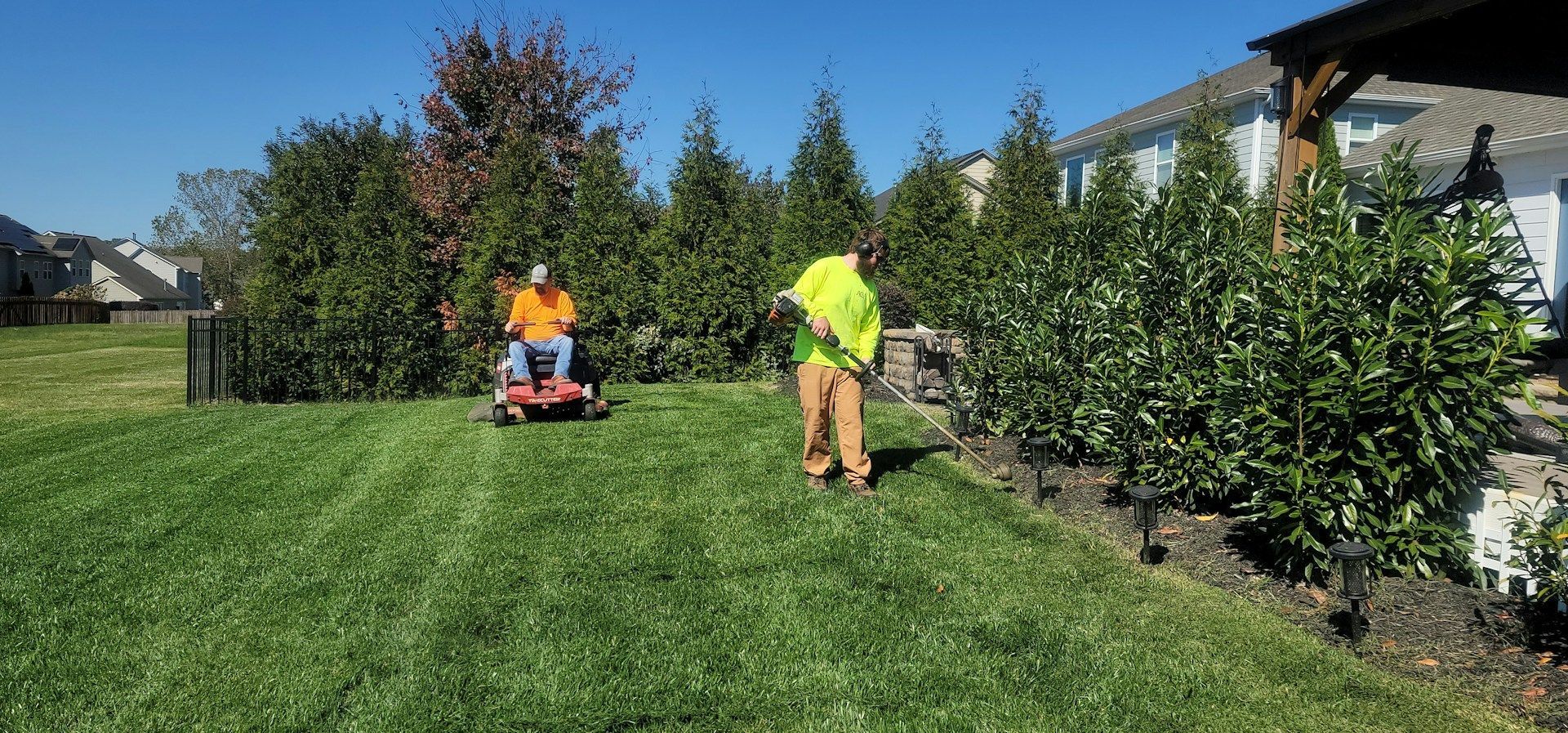
For mowing New England lawns, keep in mind:
• Cut at a moderate height, not too short, to help shade soil and crowd out weeds
• Keep mower blades sharp so they cut cleanly instead of tearing the grass
• Avoid mowing when the grass is wet, to reduce clumping and disease issues
• Change mowing patterns now and then to prevent soil compaction
As the snow melts and the ground firms up, start with light cleanup:
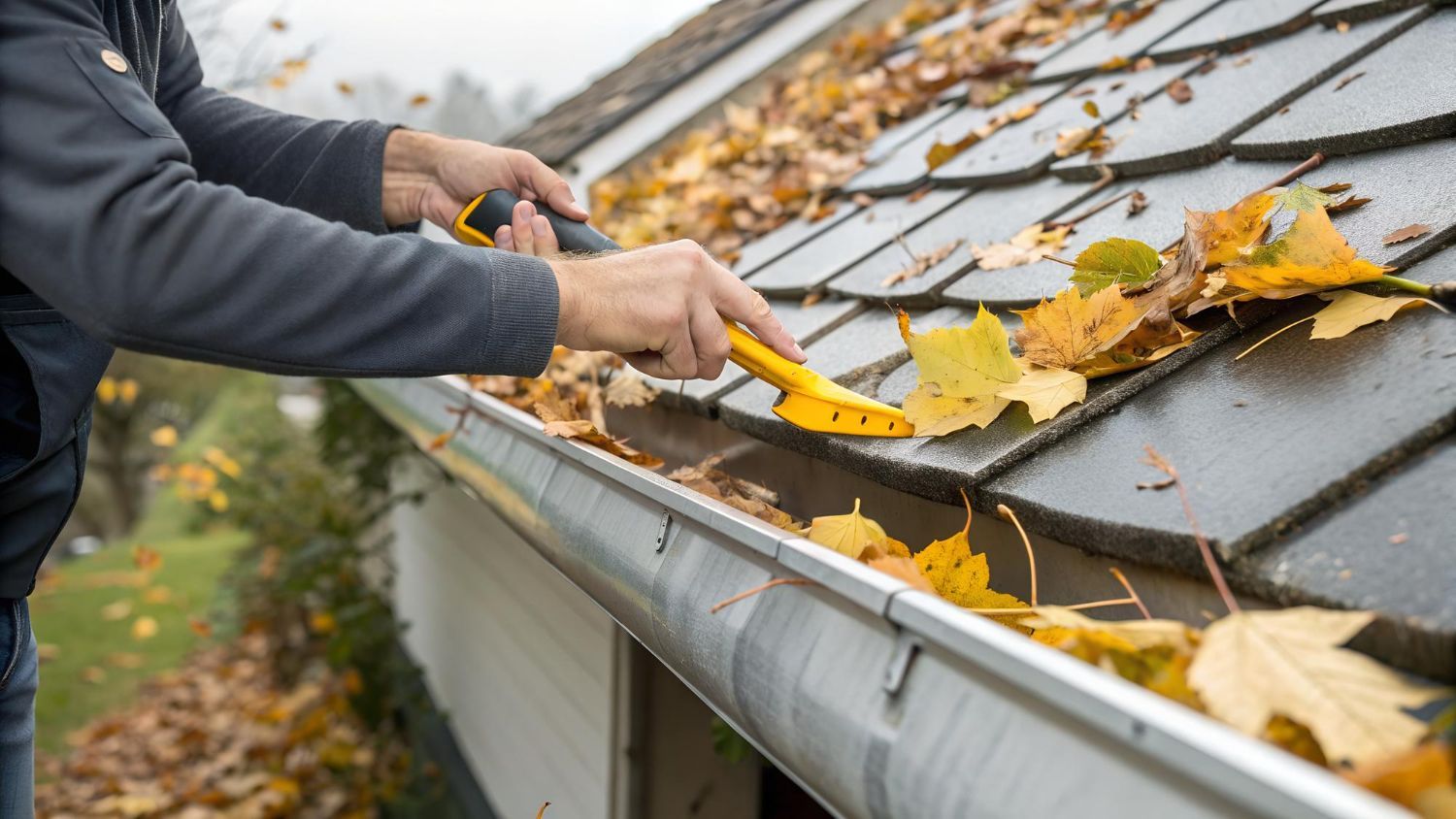
• Rake leftover leaves, salt spread, and winter debris off the lawn
• Pick up fallen branches and twigs before mowing starts
• Lightly loosen small, matted areas if needed, but avoid aggressive dethatching early
• Pull mulch back from trunks and plant stems so they can breathe
Garden beds do best when you give them quick, regular checks. Spend a few minutes each week to:
• Hand pull weeds while they are small and easy to remove
• Top off mulch to a steady, shallow depth without piling it against plants
• Watch for unusual spots, wilting, or chewing damage on leaves
Short, steady sessions keep soil from getting compacted by heavy foot traffic and frantic work. They also help you notice changes in plant health before problems spread.
Protecting Hardscapes and Outdoor Living Areas
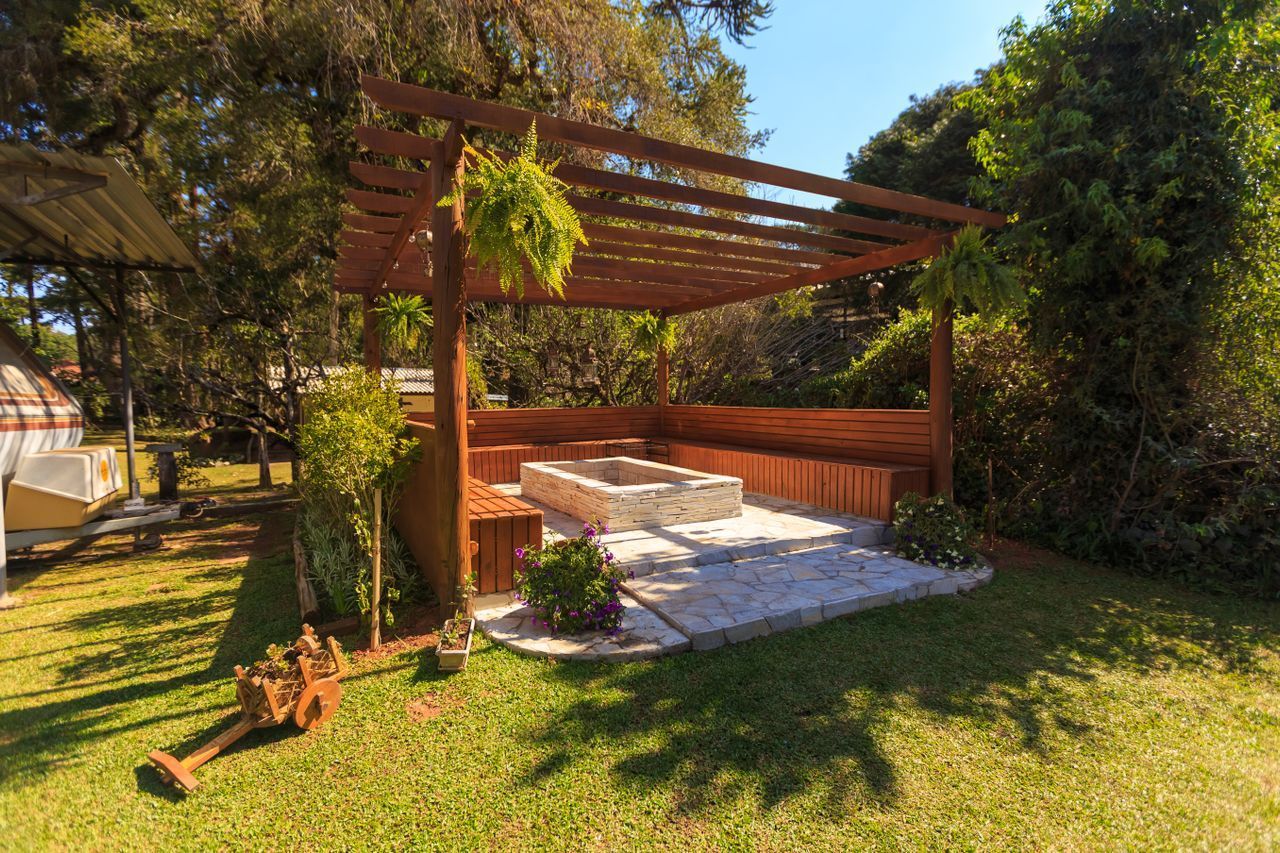
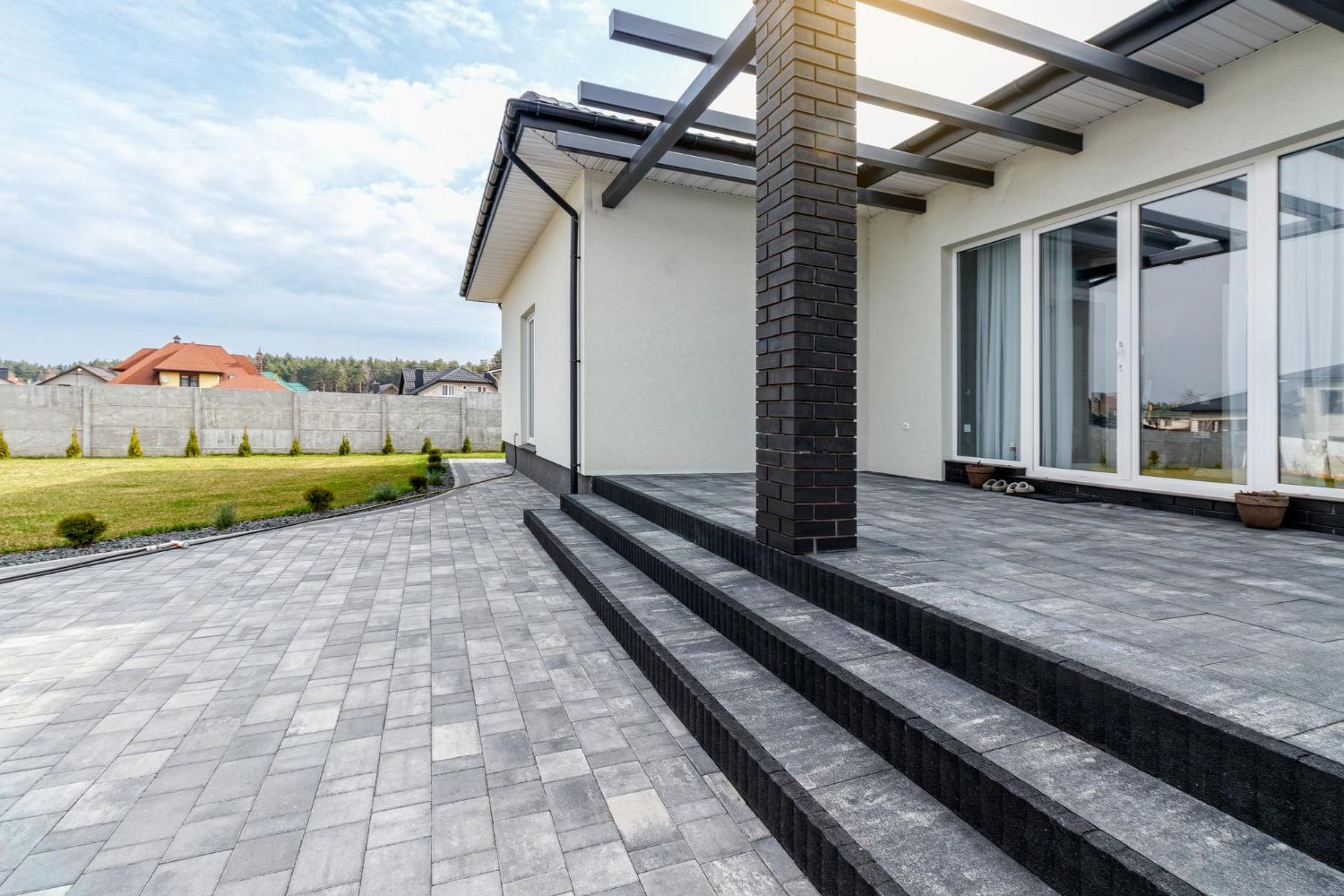
Patios, walkways, and steps add a lot of value and comfort to your home, but they also need care. Simple cleaning and careful checks can greatly stretch their life.
Make sweeping a weekly habit. Even five minutes can help:
• Clear sand, dirt, and small stones that can scratch surfaces
• Remove leaves, pollen, and seed pods that hold moisture
• Reduce moss and algae that can make surfaces slick
Early each spring, take some time to:
• Look at paver joints and note where sand looks washed out or low
• Check for settled or raised areas that may create trip-points
• Look for hairline cracks in concrete or stone that could spread
Good maintenance steps include:
• Replenishing joint sand where it has washed away
• Gently power washing only when suitable for the surface and base
• Cleaning out debris between stones and along edges
When hardscapes stay level and clean, they are safer for kids, pets, and guests. Regular care also respects the original installation work, helping patios, walls, and paths stay solid and attractive for years.
Caring for Plants, Trees, and Landscape Lighting
Your plants and trees are living features, so they respond quickly to good care. At the end of winter, walk your beds and note:
• Broken or hanging branches from storms
• Stems that are clearly dead, brittle, or split
• Early insect activity, like chewing, webs, or boring holes
As temperatures warm, watering habits matter. Aim for deep, less frequent watering instead of a light sprinkle every day. This encourages strong roots. Check that:
• Irrigation timers match current daylight and rainfall
• Sprinkler heads are not spraying straight onto patios, driveways, or the house
• No heads are broken, clogged, or stuck in one direction
Keep pruning light and thoughtful. Remove winter-damaged stems from perennials, trim out dead wood from shrubs, and do any shaping at the right time for each plant type. Heavy cutting at the wrong time can weaken growth or remove flower buds.
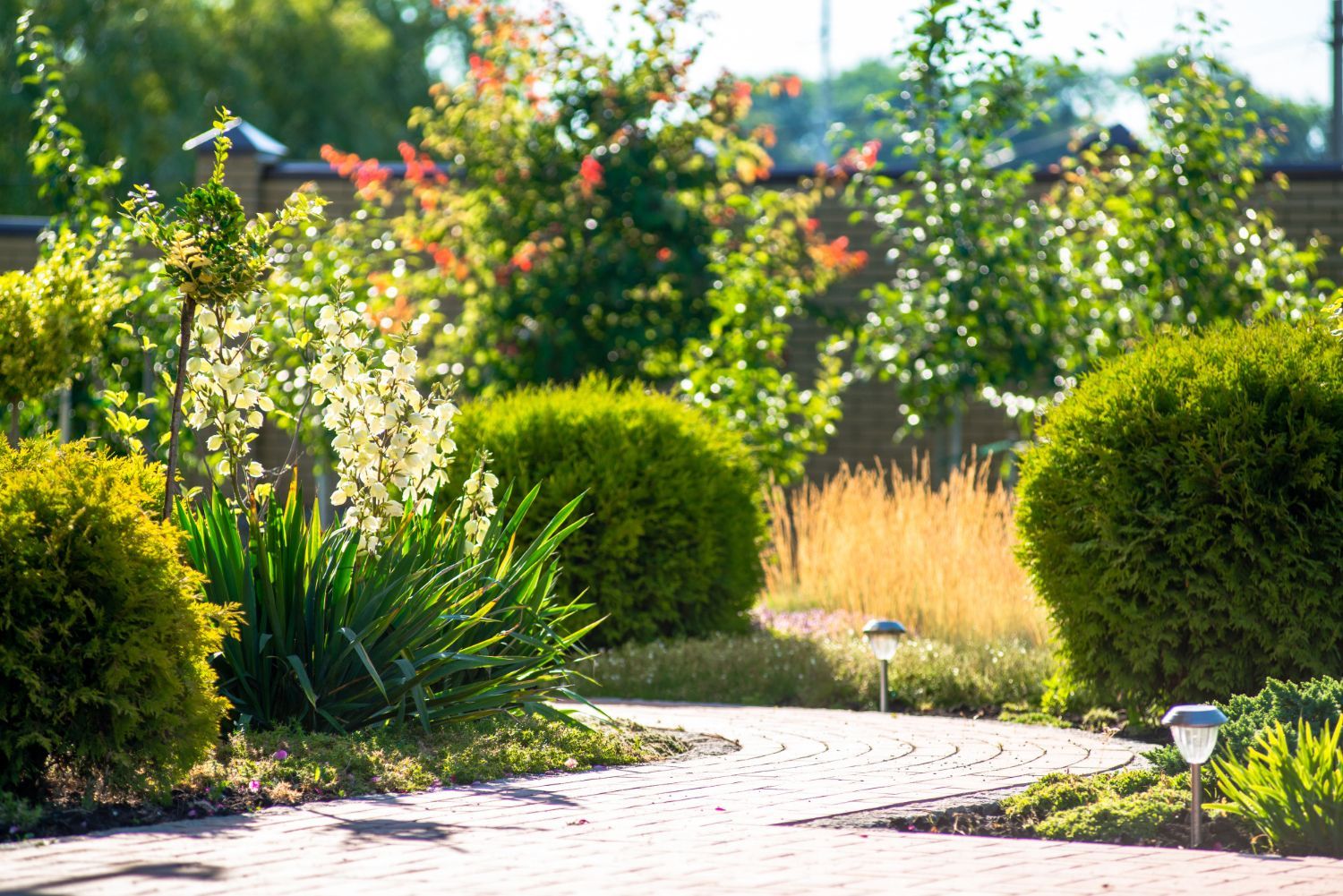
Do not forget your landscape lighting. Once evenings brighten and clocks change, walk your property at dusk and:
• Replace burned-out bulbs or dim lamps
• Adjust fixtures that are shining into windows instead of onto paths or plants
• Clean dirty lenses so light is clear and even
• Confirm that steps, changes in grade, and key paths are well lit
Good lighting makes your yard safer and lets you enjoy your outdoor spaces longer into the evening.
When to Call in the Pros to Protect Your Investment
There is a point where simple homeowner care is not enough, and pushing further on your own can cause more harm than good. Know when to stop and call in professional help.
Situations that usually need a pro include:
• Retaining walls that lean, bulge, crack, or push outward
• Standing water close to your house, patio, or walkways after every rain
• Widespread plant decline, not just one or two struggling plants
• Recurring bare patches in the lawn, even after basic care
A professional maintenance plan can work alongside your daily and weekly habits. Your regular checks keep things tidy and help catch changes, while a contractor handles larger tasks, deeper inspections, and any needed repair work.
For Hartford County homeowners, it often helps to plan both spring and fall visits. Spring is perfect for cleanup, fresh mulch, and plant adjustments. Fall is a good time for pruning, winter prep, and checking hardscapes before freezing weather returns.
By building these simple routines into your week, you protect the time and money you have already invested. You also make it much easier for a professional team like J. Rodman Home Improvement and Landscape to keep your outdoor space healthy, safe, and beautiful year after year.
Get Started With Your Project Today
Let J. Rodman Home Improvement And Landscape keep your yard looking its best with reliable
landscape maintenance tailored to your property. We will evaluate your outdoor space, recommend the right services, and build a schedule that fits your goals and budget. Ready to take the next step for a healthier, better-looking landscape? Simply
contact us and we will help you get started.