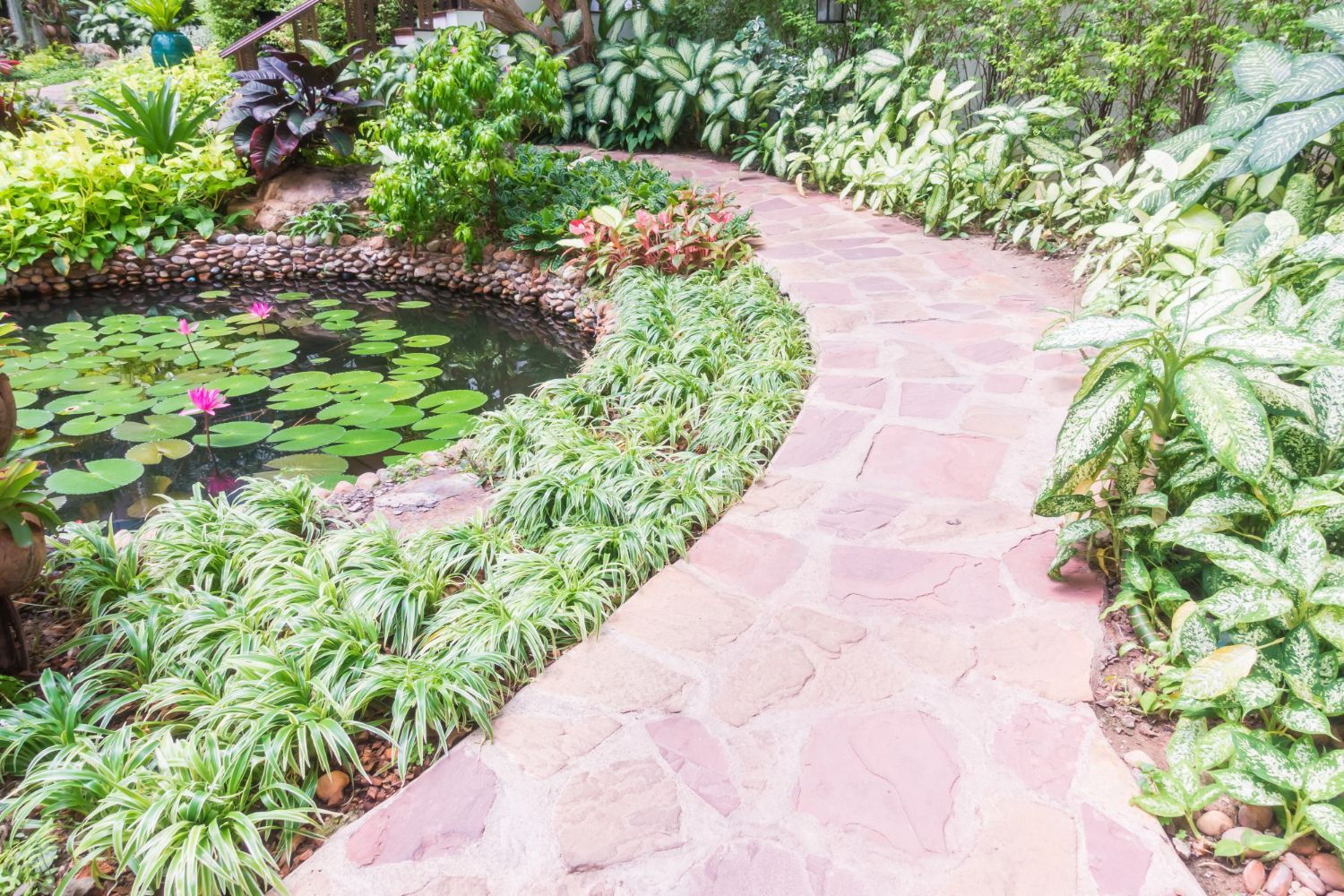
Outdoor Entertaining Zones on a Custom Patio: Seating, Dining, and Flow
Turn Your Patio Into the Best Room Outside
A good custom patio design can make your yard feel like the best room of your home, only it is outside in the fresh air. After a long New England winter, it feels great to open the doors, sit in the sun, and share a meal or a fire with friends. The key is planning your patio so it works just as well on a quiet weeknight as it does when you have a full house on the weekend.
When you think of your patio as an outdoor great room, you start to see clear zones for lounging, dining, cooking, and gathering around a fire. Each area has its own needs for space, comfort, and traffic flow. At J. Rodman Home Improvement and Landscape, we help Hartford County homeowners turn underused yards into outdoor entertaining areas that fit real life in New England. Here is how we think through seating, dining, fire features, and pathways so everything feels natural and easy to use.
Start with the Big Picture Layout
Before picking pavers, furniture, or plants, it helps to step back and look at the full layout. A patio that feels peaceful and roomy usually started with a clear plan on paper. This matters even more in New England, where you want to make the most of those shoulder seasons in spring and fall.
Think through your main zones first:
- Conversation seating or lounge area
- Dining space
- Cooking or grilling zone
- Fire feature area
Each zone needs enough square footage so it does not feel cramped. For example, a lounge zone with deep seating needs more depth than a row of simple chairs. A fire area needs space for people to move around the edge safely. When we plan, we look at how these areas relate to each other so nothing feels stuck in a corner or jammed in the middle.
The connection between the house and patio is just as important. We study:
- Where the doors to the yard are located
- How the sun and shade move from early spring through late fall
- What you can see from inside windows and sliders
You want doors to open into good traffic paths, not the back of a chair. You also want sightlines so you can see kids playing or guests arriving, and so the patio feels like a natural extension of your home, not an afterthought.
Create Comfortable Seating and Conversation Zones
Most people use their patio first for sitting and talking, so the seating zone sets the tone. There are a few common types of seating areas that work well together.
A lounge area is great for long, relaxed evenings. Think deeper sofas and sectionals, cushioned chairs, and maybe an outdoor coffee table. For more casual chats, a simple nook with a couple of chairs and a small table can sit off to the side. Flexible seating, like lightweight chairs or stools, can be pulled into other zones when you have more guests.
Good spacing makes conversation feel easy:
- Seats about 3 to 4 feet apart so you can hear each other without leaning in
- Room for side tables so everyone has a place for a drink or plate
- Walk-behind space so no one feels trapped at the back of a group
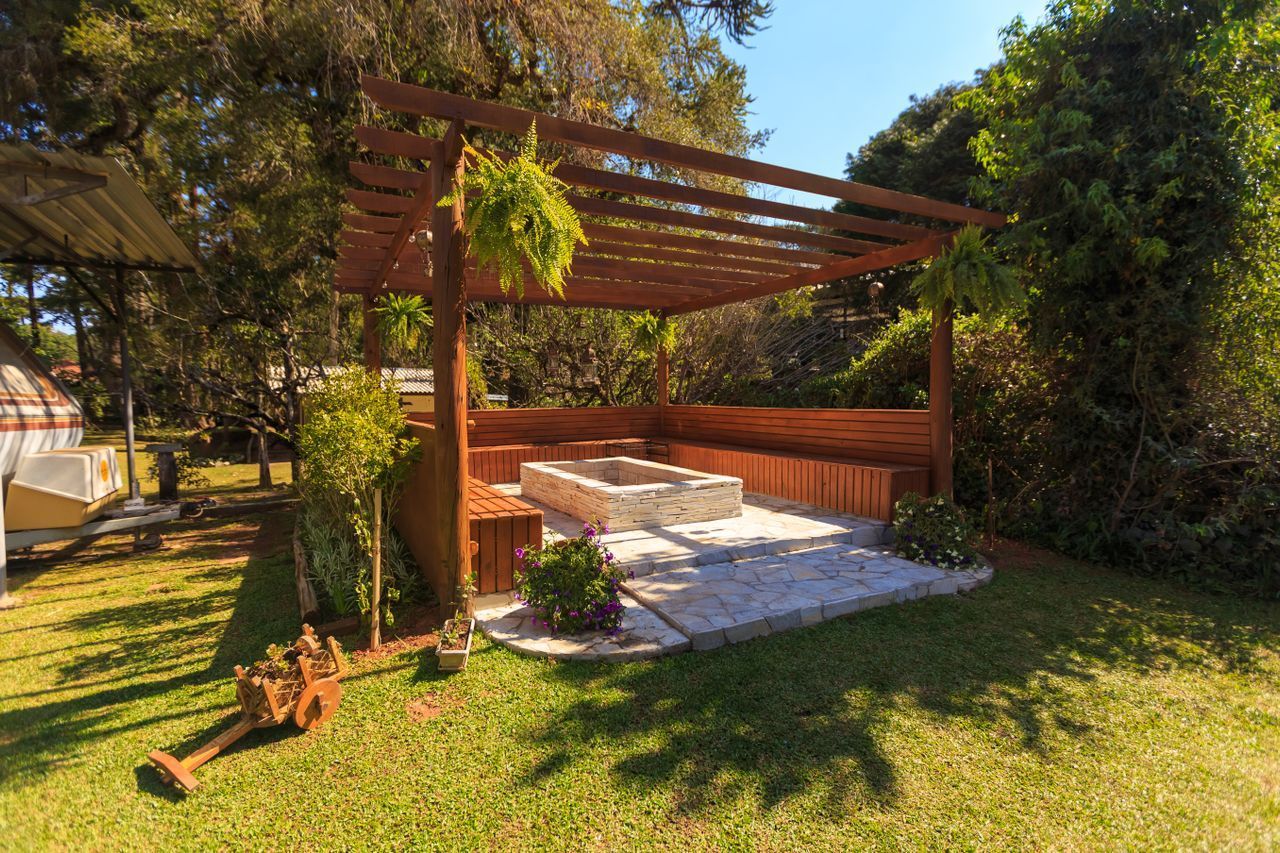
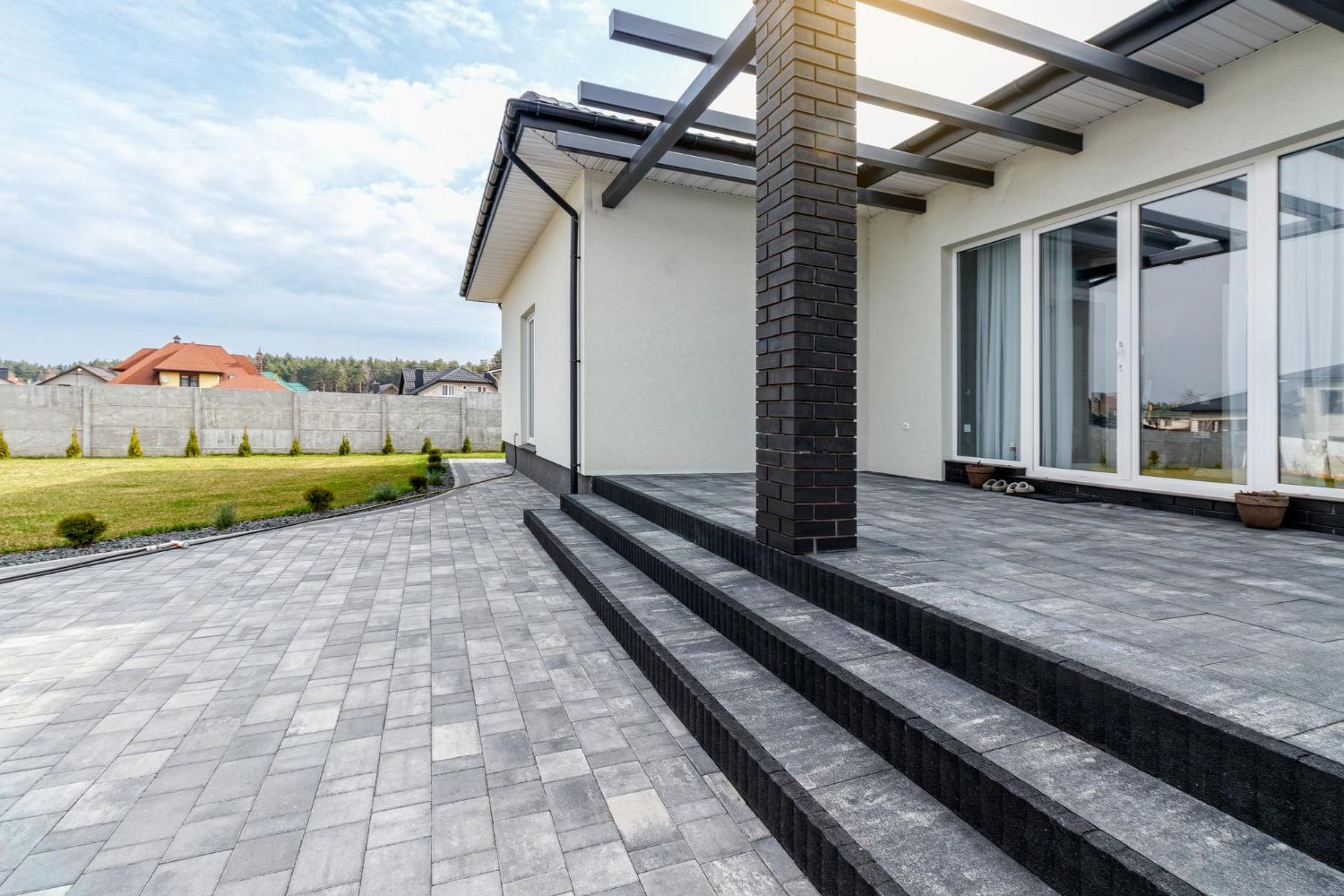
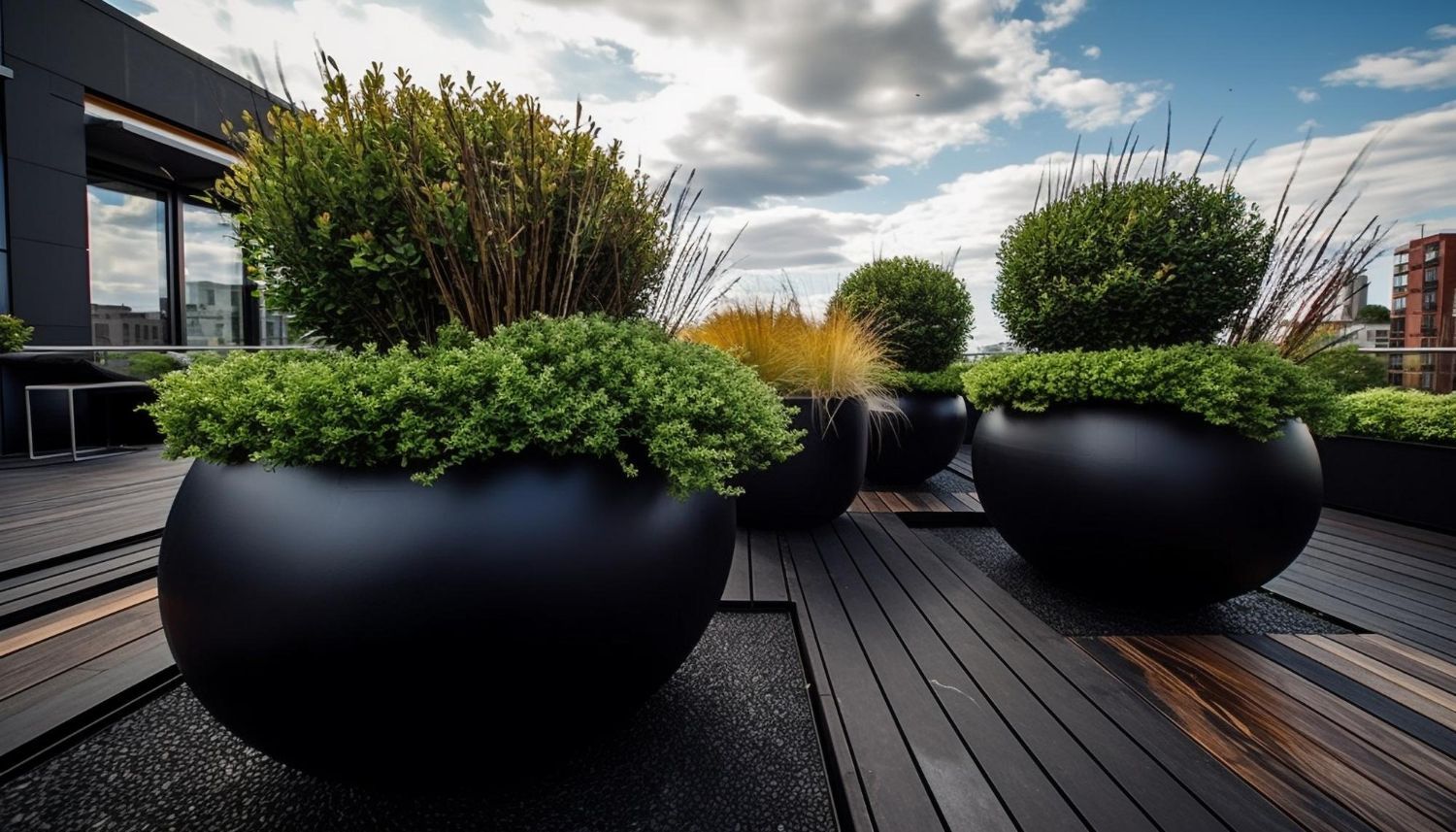
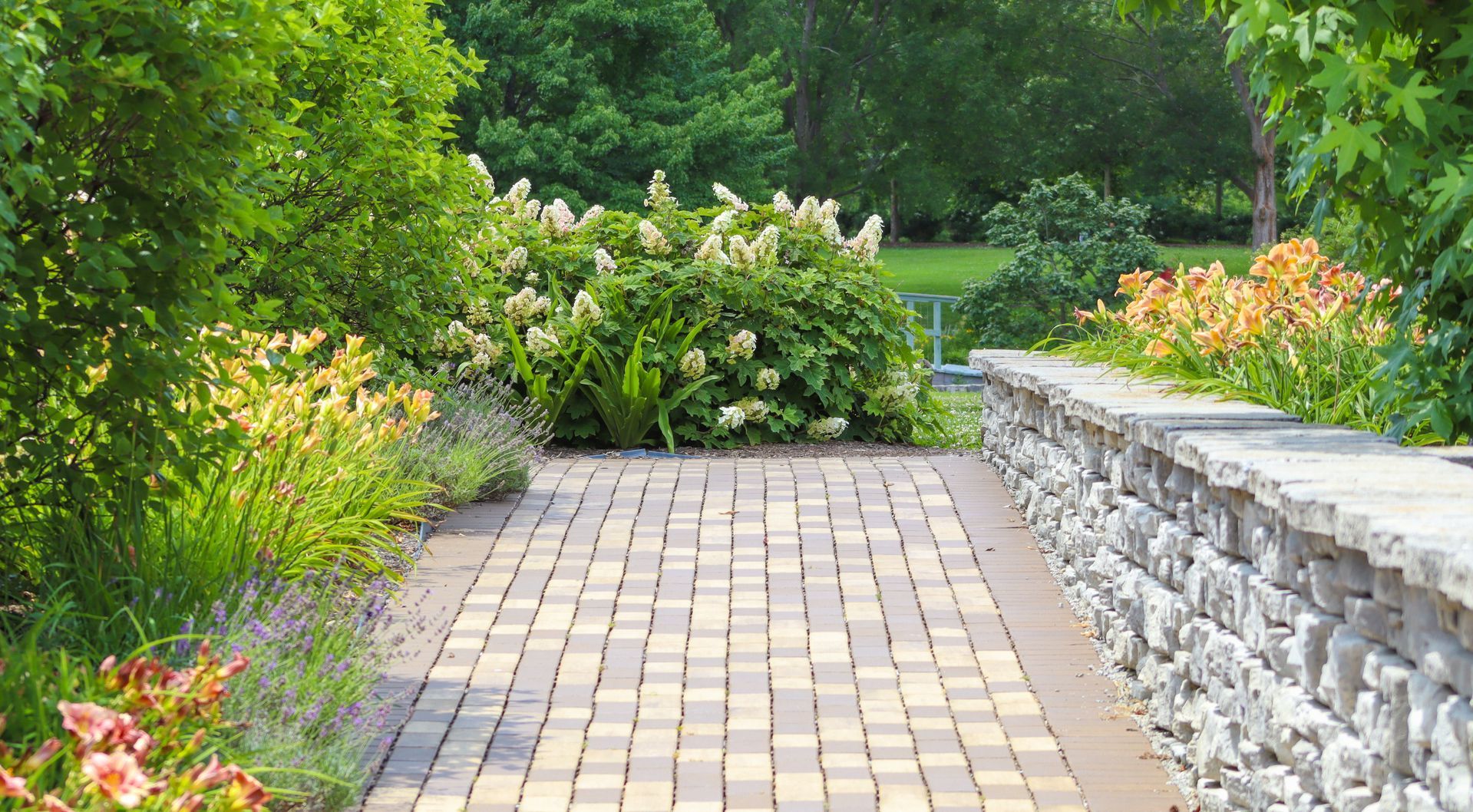
We use hardscapes and softscapes to define these zones without closing them off. Low sitting walls can act like extra seats and also create a gentle edge. Changes in paver patterns, a border band, or a slight step up or down can signal that you have moved from a path to a lounge area. Layered plantings, like shrubs and taller grasses, help add privacy and block wind on cooler spring evenings, while still letting light and airflow through.
Design a Dining and Cooking Area That Actually Works
A dining zone should feel generous, even if the table is small. We plan room not only for the table and chairs, but also for the space those chairs take when they are pulled out. Around the outside of the dining set, you want at least a few feet of clear walking space so people can move by while others are seated.
For many Hartford County homes, the grill or outdoor kitchen sits near the dining space but not inside it. Smart placement means:
- Heat and smoke do not blow directly into seating or through open doors
- The cook has a safe work area and clear space to move
- There is a direct but open path from the indoor kitchen outside
We also think about comfort beyond the warmest summer days. Durable, low-maintenance surfaces stand up to New England freeze-thaw cycles and are easier to keep clean between seasons. Overhead structures, like pergolas, can hold string lights and give shade in summer, while still letting in light in spring and fall. Well-placed lighting keeps those first dinners of the season warm and welcoming, even when the sun sets early.
Add Fire Features Without Creating a Traffic Jam
Fire features can be the heart of an outdoor entertaining zone, but they need careful planning. Different styles change how people sit and move.
Common choices include:
- Wood-burning fire pits for a classic campfire feel
- Outdoor fireplaces that act as a strong focal point and wind block
- Gas fire tables that make it easy to turn the flame on and off
Each type has its own space needs. A fire pit usually has seating all the way around it, so you need room for chairs and clear walking space behind them. A fireplace or linear fire feature often has seating in more of a semi-circle, which can work well at the edge of a patio.
Safety and comfort come first. We always think about distance from the house, overhangs, fences, and plantings. There should be space between the flame and any flammable material, as well as enough room for people to pass without feeling too much heat. Wind patterns matter too, especially during cooler New England evenings, so smoke and sparks are less likely to blow toward doors or windows.
To keep traffic flowing, paths should go around the fire zone, not straight through it. Built-in seat walls or corner benches can create natural gathering spots while keeping clear access to exits and other patio zones.
Plan Paths and Lighting for Easy Traffic Flow
Even on a small patio, good traffic flow makes everything feel calm and organized. Think about your main “highways” outside:
- From the house to the main seating area
- From the house to the dining table
- From the dining area to the grill or cooking space
- From the seating zone to the fire feature
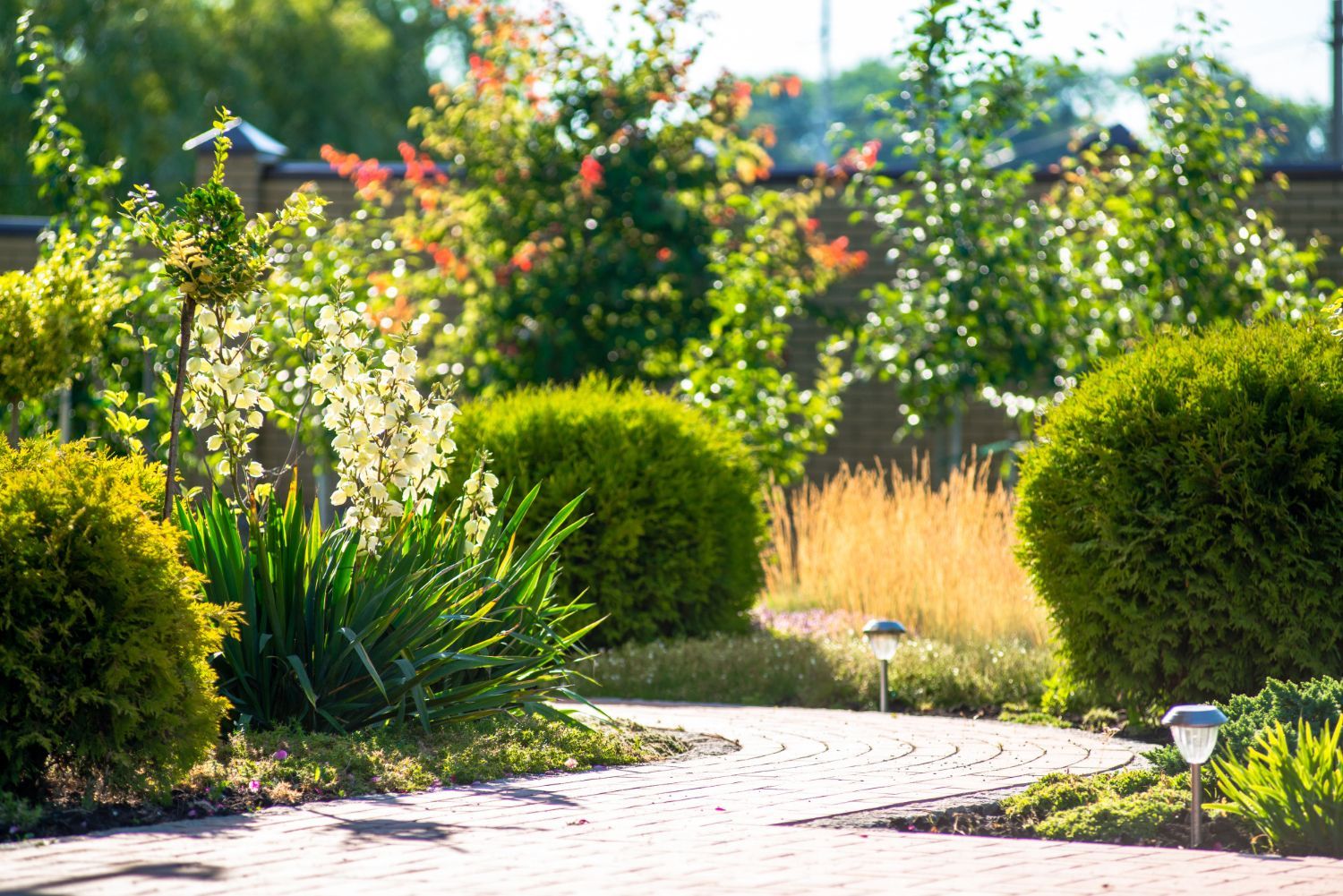
We design paver walkways or subtle pattern changes to guide movement. A slight shift in color or direction in the pavers can show people where to walk without needing obvious borders. Paths should be wide enough for two people to pass, even when they are carrying plates or drinks.
Lighting is the final layer that pulls everything together. Step lights built into risers and low path lights help prevent trips and make guests feel safe. Downlighting from pergolas or trees gives soft, natural light that extends patio use from early spring evenings through fall nights. Accent lighting on plantings and walls adds depth, so the yard feels inviting instead of dark and flat.
Bring It All Together With Professional Design and Care
When you view your outdoor entertaining areas as a long-term part of your home, planning and construction become very important. A well-thought-out custom patio design, built for New England weather, will handle heavy use, changing seasons, and years of family memories. The right layout means your spaces feel effortless to use, with seating, dining, fire features, and traffic all working together instead of fighting each other.
At J. Rodman Home Improvement and Landscape, we specialize in tying all these details into one clear plan for Hartford County homeowners. We coordinate hardscapes, plantings, lighting, and ongoing landscape maintenance so your patio looks good and functions well year after year. With careful design, your yard can truly become the best room outside, ready for quiet mornings, busy weekends, and everything in between.
Get Started With Your Project Today
If you are ready to turn your backyard into a space you love using our
custom patio design expertise, we are here to help guide every step. At J. Rodman Home Improvement And Landscape, we listen closely to how you want to use your outdoor space so your new patio fits your lifestyle and home. Share your ideas, budget, and timeline, and we will create a clear plan that makes the process straightforward. Have questions or want to talk through options first, just
contact us to schedule a conversation.