What a Landscape Designer Sees That Homeowners Often Miss
See Your Yard the Way a Pro Designer Does
A yard is more than grass, a couple of shrubs, and a spot for the grill. When we walk onto a property as landscape designers, we see how all the pieces could work together, not just how things look today. We think about flow, long-term growth, and how the space will feel in every season, not only when everything is blooming.
Most homeowners focus on what is in front of them right now, like a muddy patch or a tired front walk. We are trained to notice grading, drainage, sun patterns, traffic paths, and plant health that often get missed. Here in Hartford County, where winters are snowy and summers can be hot and humid, those details make a big difference in how your yard looks and works.
Early spring is a great time to think this way because the bones of the yard are still visible. Without full leaves, we can read the structure, see where light really falls, and plan ahead before growth takes off. That is exactly how a professional landscape designer starts.
How a Landscape Designer Reads Your Property
Before we talk about plants or patios, we study the site. We walk, we look, we listen. We are asking your yard a lot of quiet questions.
Some of the first things we pay attention to are:
- Sun and shade patterns through the day
- Wind exposure and how it funnels around the house
- Existing soil conditions and compaction
- Slopes, low spots, and high points
- How water moves when it rains or snow melts
Many homeowners do not notice that one low corner always turns to mud or that a pretty side path will be icy every winter afternoon. Or they place a planting bed in an area that gets harsh afternoon sun when the plants they pick really want shade. Mature trees can also surprise people, since they change light levels as they grow.
We also think about comfort and safety details, like:
- Where glare from windows might hit a patio or deck
- Which views from inside the house should be framed, not blocked
- How to create privacy from neighbors without feeling boxed in
- Where steps, slopes, or edges might trip people in low light
This early reading of the property sets the base for every design choice that follows.
Designing Outdoor Spaces That Actually Function
A beautiful yard that does not fit how you live will not get used. When we design, we start by mapping your real life into the space. We ask where kids play, where pets run, where you like to relax, and how you move from driveway to door to backyard.
Common DIY layouts tend to repeat the same issues:
- Patios that are too small for a table and chairs to fit comfortably
- Walkways that feel narrow, forcing people to walk single file
- Grills stuck in windy corners or far from the kitchen
- Seating areas cut off from the house or from each other
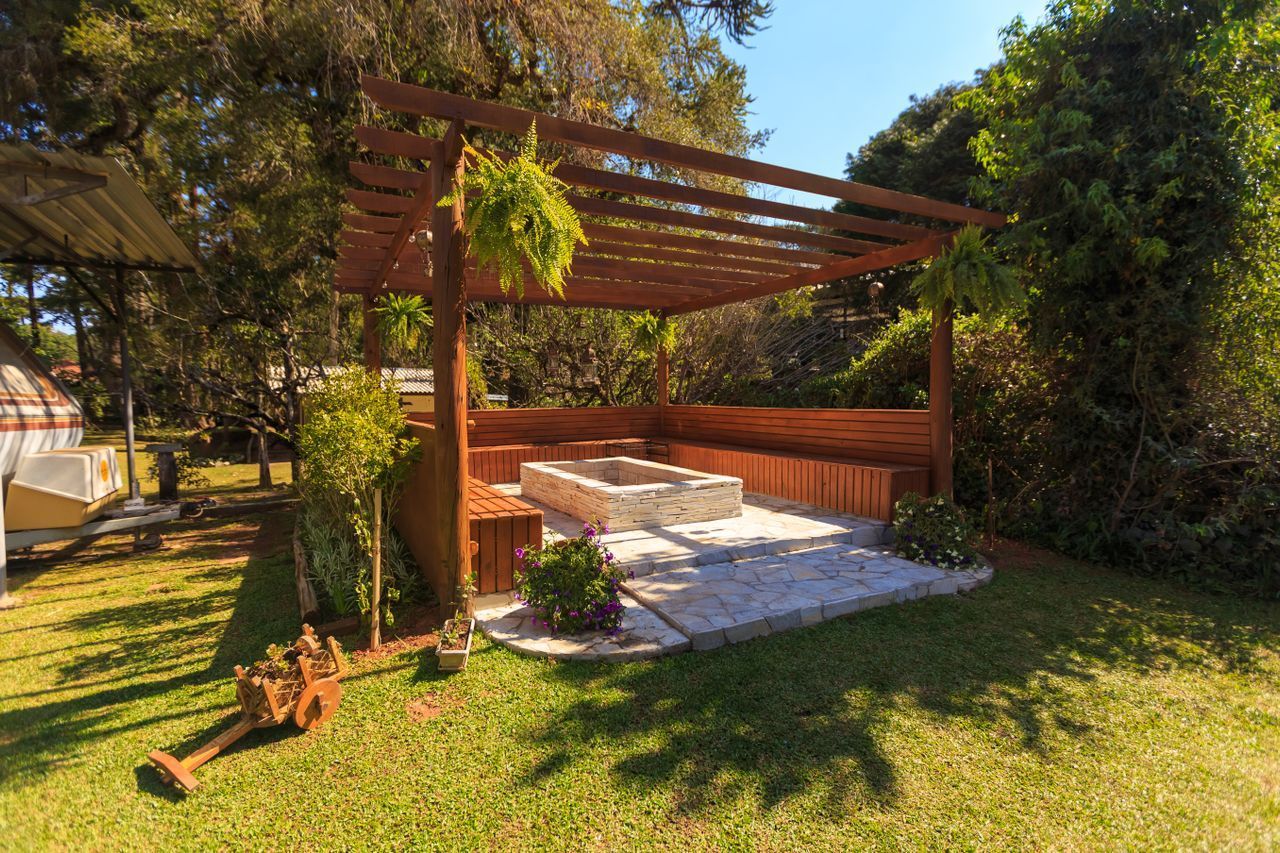
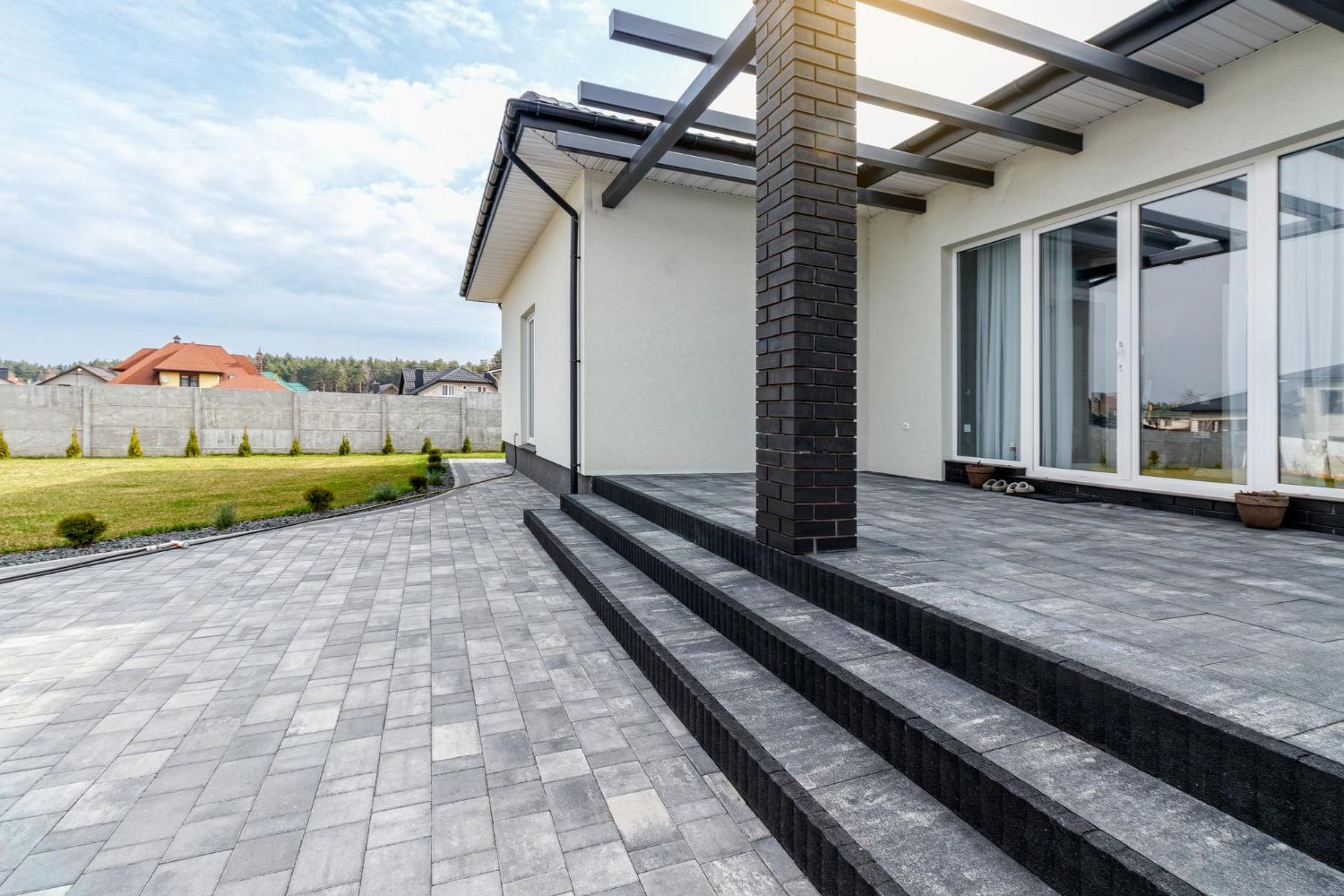
We plan zones for different uses, then connect them with clear, wide paths. That could mean creating a generous landing at the front door, a logical route from the driveway to the backyard, or a direct, safe way to reach a fire feature in the evening.
Good flow means:
- You are not squeezing around furniture
- There are no awkward, unused corners collecting leaves
- You can move safely in rain or snow
- The yard feels like one unified space, not a set of scattered pieces
In a Hartford County winter, this also means planning where snow will pile and where ice could form, so main paths stay as clear and simple as possible.
Seeing Beauty Through the Seasons, Not Just in Spring
Many people choose plants only for the flowers they love. A pro designer looks at the full year. We think about what you see in March, July, October, and deep winter when many plants are bare.
We often ask:
- What blooms early to signal spring?
- What carries color and texture through the heat of summer?
- What glows in fall with foliage and seed heads?
- What holds structure in winter with evergreens and interesting bark?
We like to layer plants by:
- Height, from groundcovers to tall shrubs and small trees
- Color, so one group hands off to the next through the seasons
- Bloom time, to keep something happening for months
- Texture, mixing fine leaves with bold shapes
Homeowners often overlook how big plants will be in a few years. Shrubs crowd windows, trees overshadow lawns, and small beds get swallowed. Or they forget to think about late fall and winter, when only the strongest shapes and evergreens are left to carry the view. A designer makes sure your yard still looks planned and cared for, even when nothing is blooming.
The Hidden Systems: Drainage, Lighting, and Maintenance
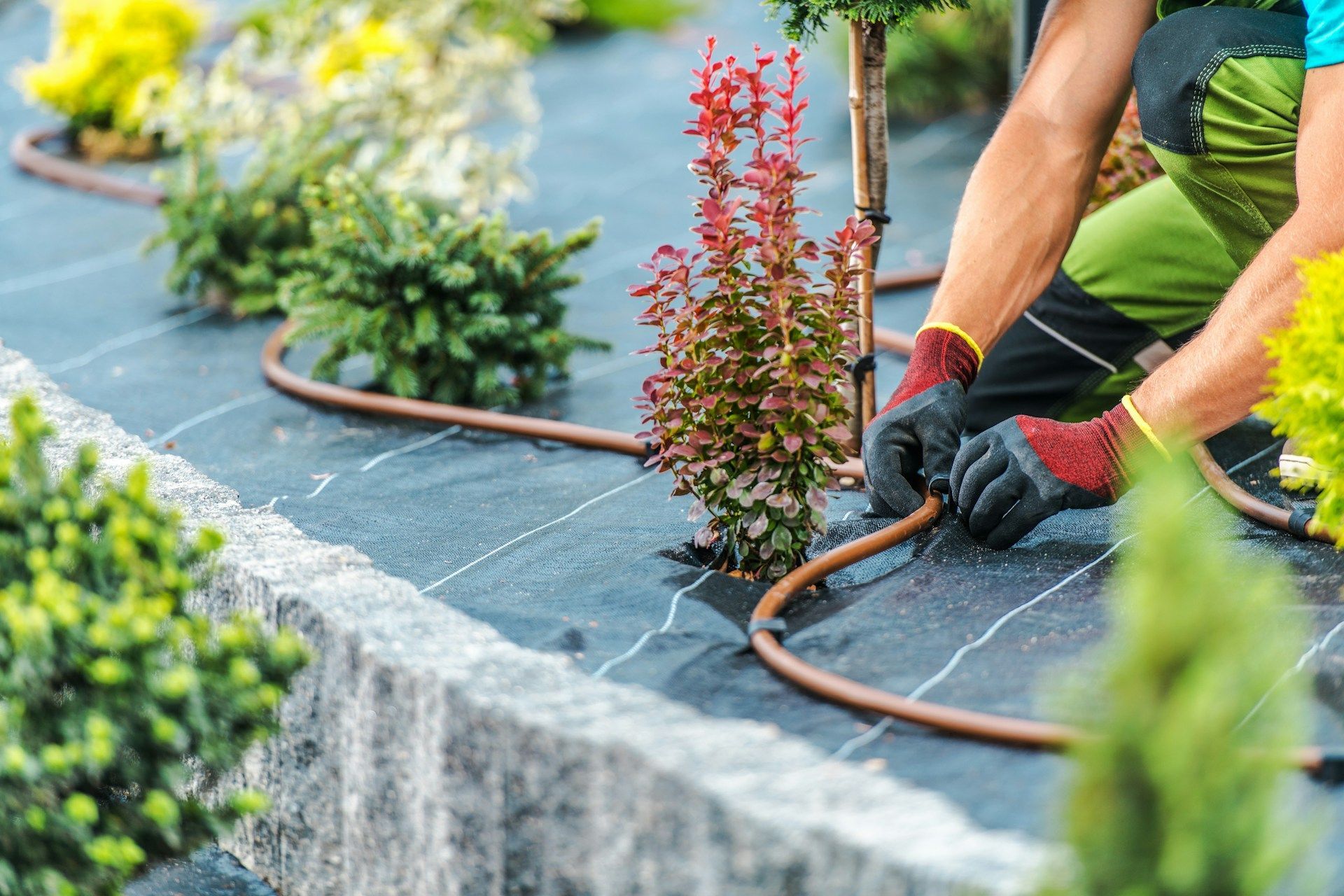
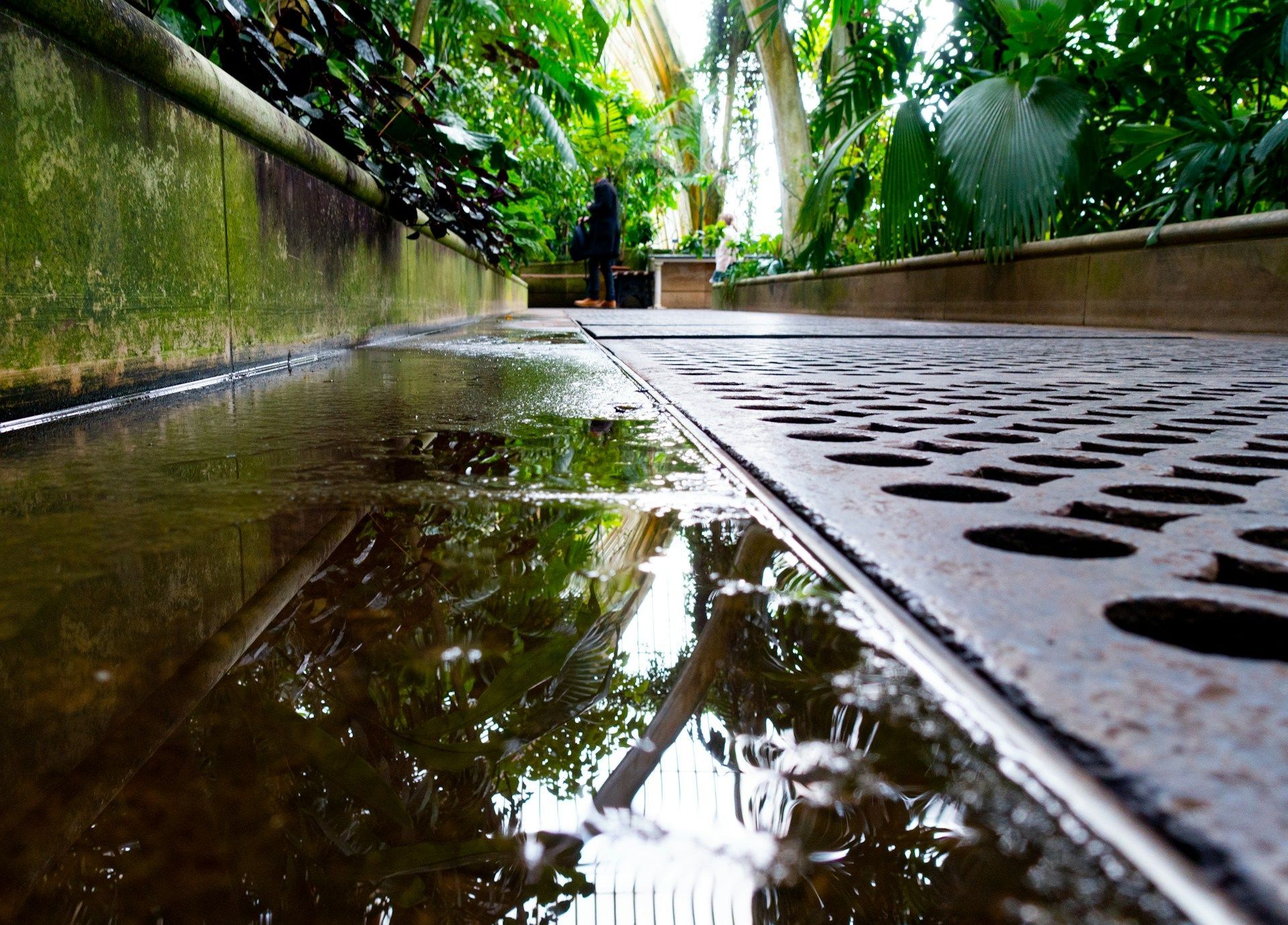
The best yards work well behind the scenes. Before we add beauty, we solve the quiet problems. Grading for proper drainage, shaping the land so water runs away from the house, and preventing soggy spots are all part of smart design. That kind of planning helps reduce water near the foundation, mud along walks, and lingering ice.
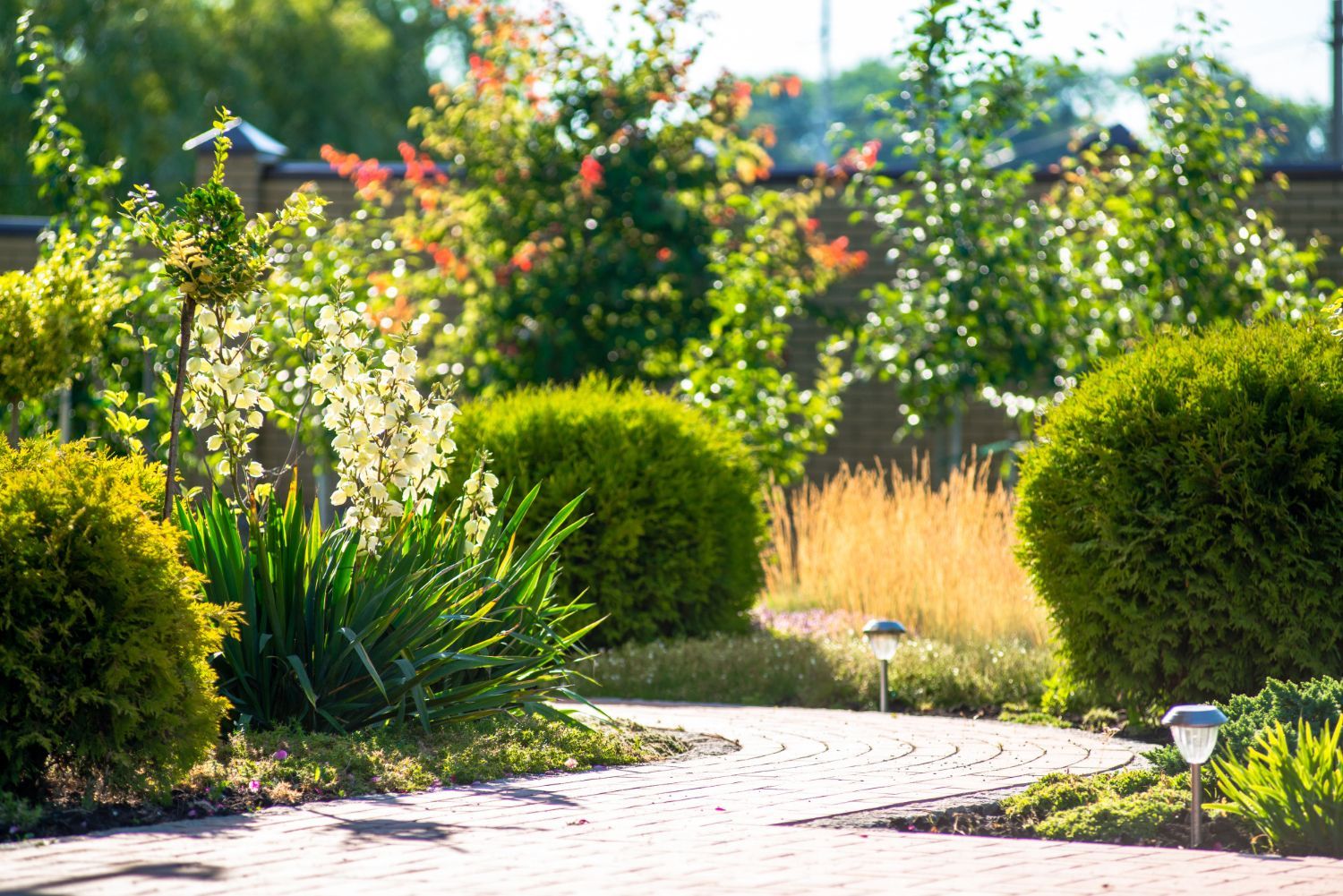
Lighting is another area where people often do too little or too much. A few bright floodlights can feel harsh, but no lighting at all can make steps and paths unsafe. We plan for:
- Soft, low lighting on steps and walkways
- Accent lighting for key trees, walls, or architectural features
- Avoiding glare into windows, neighbors’ homes, or seating areas
Maintenance planning is just as important. We match plantings and hardscapes to your time, budget, and the Hartford County climate. That might mean:
- Grouping plants with similar water needs together
- Choosing durable materials that stand up to freeze and thaw
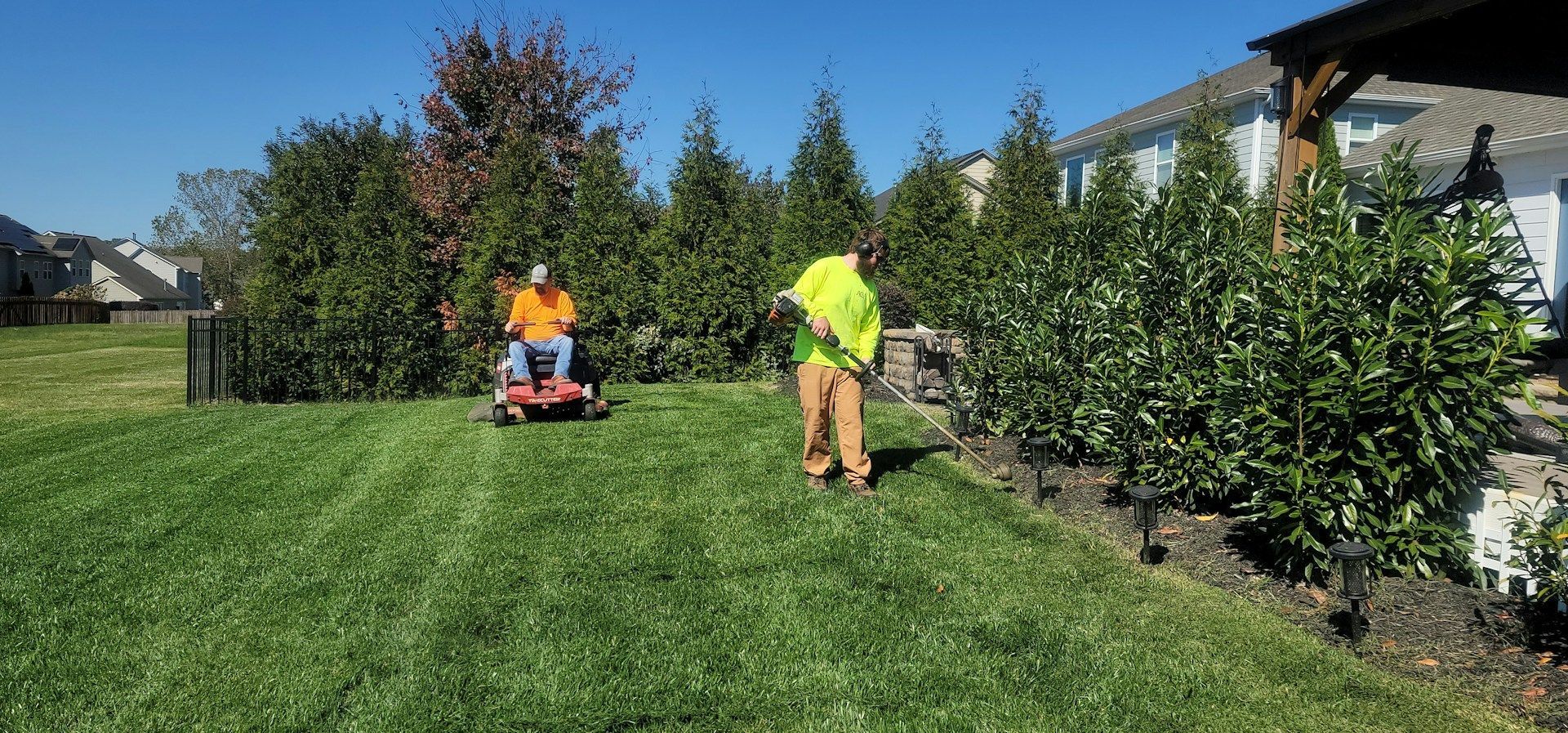
- Designing beds that are simple to edge and mulch
- Allowing space for growth so pruning stays reasonable
A yard should be something you enjoy, not something that overwhelms you.
From Ideas to a Cohesive Plan That Adds Value
Most homeowners have a list of scattered wishes. A fire pit. A bigger patio. Some trees for shade. On their own, each idea can be nice, but without a clear plan, the yard can end up feeling pieced together.
A professional landscape designer takes all those ideas and fits them into one master plan. That plan:
- Organizes where each feature belongs and why
- Sets priorities, so the most important changes happen first
- Keeps a consistent style, color palette, and materials
This kind of planning tends to improve curb appeal and make the whole property feel finished and intentional. It also lets work happen in stages without waste. Hardscapes can go in first, then planting, then lighting and finishing touches. Because there is a plan, you are not tearing things out later to fix earlier choices.
Turn What You Have Into the Yard You Really Want
The next time you step outside, try to look with a designer’s eye. Notice where the sun hits in the morning and afternoon. Pay attention to damp spots, views from inside your windows, and how you naturally walk from place to place. Think about where you actually spend time and where you wish you could.
If you are in Hartford County and ready to rethink your outdoor space, a professional landscape designer, like our team at J. Rodman Home Improvement and Landscape, can translate what you want into a smart, season-ready plan. Gather a few inspiration photos, think about how you like to live outdoors, and be open to ideas that look past what is there right now. With a clear plan, your yard can be beautiful, functional, and far easier to care for years to come.
Get Started With Your Project Today
If you are ready to transform your outdoor space, our team at J. Rodman Home Improvement And Landscape is here to guide you from first ideas to final walkthrough. Work directly with an experienced
landscape designer who will tailor a plan to your property, style, and budget. Tell us about your goals, and we will recommend clear next steps and a timeline that fits your schedule. To schedule a consultation or ask questions, simply
contact us today.